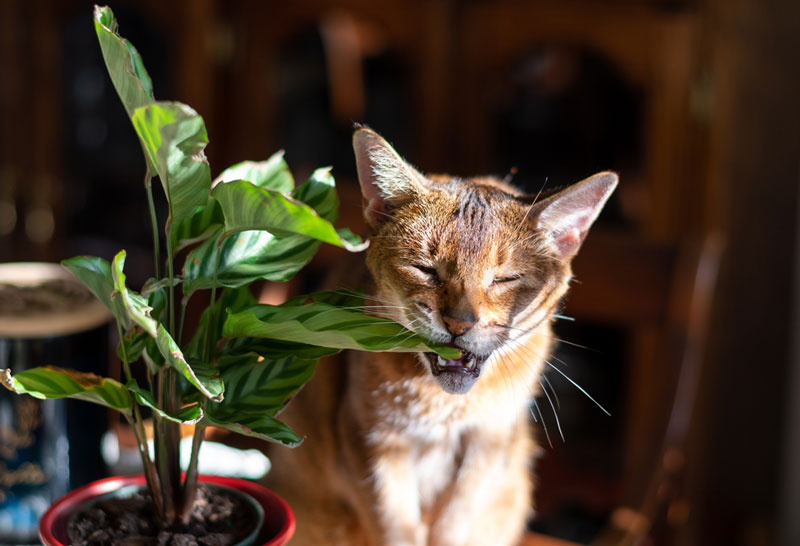
Can cats eat plants? This is a question that many pet owners often ponder, especially if they have a green thumb and love to keep houseplants. The answer is not as simple as a yes or no. In general, while some plants are safe for cats, many common houseplants can be toxic and pose a risk to their health. So, should we let our furry friends sniff every plant in sight? Not quite!
Many plants can cause tummy aches, vomiting, or worse in our beloved kitty companions. It’s vital for us, as cat owners, to be informed about which plants are safe and which should be kept out of paw’s reach. The good news is that we can create a safe and beautiful environment for both our plants and pets.
If you’re curious about which plants are safe for your feline friend, what the benefits and risks are, and what substitutes to consider, then keep reading! We’ll explore everything you need to know to keep your cat happy and healthy, all while still enjoying our plant collections.
You might also be interested in: Can Cats Eat Figs?
Can Cats Eat Plants?
We’ve all seen our curious little furballs sniffing around our potted plants, haven’t we? But understanding the relationship between cats and plants can feel like a puzzle sometimes! The truth is that some cats have a natural instinct to nibble on greenery. They often do this for various reasons, including boredom, curiosity, or even a desire to settle an upset stomach. So, do cats eat plants? Yes, they might munch on some— but we need to be careful because not all plants are friendly to them!
Cats are obligate carnivores, meaning their diet primarily consists of meat. That said, they can occasionally eat plants without any harm when it’s safe. Grass is one of the most common plants cats are drawn to. Many pet owners have witnessed their cats enjoying a bit of grass. This behavior is thought to help with digestion and may even facilitate the expulsion of hairballs. However, if your cat has developed a habit of chewing on plants, we should pay close attention, as it can be a sign of dietary deficiency or boredom. It’s always best to encourage safe munching by providing them with alternative options!
How Much Plants Can Cats Eat?
When pondering how much plant matter a cat can safely consume, we must remember that moderation is key. A small amount of safe, non-toxic plants can be beneficial to our furry companions, but it’s not a full meal. For example, if you have pet-safe grasses available, allowing your cat to munch on a few blades a couple of times a week is fine. Think of it as a little snack, not a main course!
However, before we let our cats explore the world of plants, it’s important to clarify what “safe” means. We can introduce some pet-friendly plants like cat grass or catnip, but be sure to provide them in controlled amounts to avoid any tummy troubles. Too much consumption, even of safe plants, can lead to upset stomachs or vomiting.
In addition, if your cat has a history of allergies or sensitivities, we should be careful introducing any new plants into their environment. Always observe how they react to new foods, whether they are culinary delights or green delights. If ever in doubt, reaching out to our veterinarian for insights can help guide our choices.
Ultimately, let’s make sure we never offer cats random houseplants as snacks, as many contain harmful substances. Instead, we can take the time to research safe options and create a little greenery haven just for them! As a rule of thumb, knowing which plants to avoid is as crucial as having some safe choices ready for them.
Benefits Of Plants To Cats
1. Digestive Aid: Let us talk about one of the main benefits of allowing our cats to munch on safe plants: digestion. We all know that cats can experience hairballs, and a little nibble of grass can help soothe their stomachs and encourage hairball elimination. Grass contains fiber, which can assist in digestion, making our cats feel more comfortable.
2. Natural Curiosity: Cats are naturally curious creatures. They are explorers at heart and enjoy investigating their surroundings. Having a plant or two that they can safely nibble can provide mental stimulation. It gives them something to interact with, leading to happier pets. When our furry friends feel mentally engaged, they are less likely to engage in destructive behaviors out of boredom!
3. Nutritional Boost: Some plants, like cat grass, can provide vitamins and minerals that may not be present in commercial cat food. These nutrients can sometimes help boost energy levels and support overall health. It’s like having a garden salad for our furry friends!
4. Stress Relief: Wouldn’t we all agree that a bit of greenery always brings calm? Having accessible, safe plants can help reduce stress for our kitties. When we provide outlets for them to interact with nature, it creates a more tranquil environment. It’s a bit of greenspace in our home for both us and our pets!
5. Encouraging Hydration: Sometimes our cats can be a bit picky with drinking water. Interestingly, eating fresh greens can provide some hydration. When they nibble on plants, they can gain water through plant matter, allowing them to stay hydrated. It’s a win-win! We just have to ensure they have plenty of fresh water available as their primary hydration source.
Dangers Of Feeding Plants To Cats
Now, my dear pet lovers, let’s dig into the risks associated with cats eating plants. We adore our furry friends, and we must keep them safe. While some plants can be safe, others can turn out to be quite dangerous. Many household plants can cause toxicity to our cats, leading to serious health issues.
Common houseplants like lilies, philodendrons, and poinsettias can lead to various health complications if consumed. Lilies, for example, are extremely toxic for cats as ingesting even a small amount can cause kidney failure. That’s a big no-no! Philodendrons and azaleas can bring about symptoms like drooling, vomiting, and lethargy. We could have the prettiest plants in our homes, but they are not worth risking our cat’s health.
Another potential hazard is that some cats may chew on plants without us noticing, leading to ingestion of harmful substances like fertilizers or pesticides that can harm our pets. We’ve got to be on the lookout for this sneaky behavior! Using natural pest control methods or ensuring our plants are free of chemicals is a must before we let our furry companions explore the plants.
Additionally, if our cats tend to eat large quantities of non-toxic plants, it can still have consequences. Excessive fiber intake can sometimes lead to diarrhea and dehydration. It’s crucial to moderate their intake and always monitor them after letting them interact with houseplants.
To summarize, while plants can provide health benefits for cats, we must be aware of the potential dangers that lurk among commonly kept houseplants. Ensuring our homes are safe for our furry friends creates a more pleasant environment for both cats and us!
Substitute Of Plants For Cats
1. Cat Grass: When we think about safe options, cat grass tops our list! It is specially grown for cats and can usually be found at pet stores. This type of grass is safe for them to consume and often provides excellent digestive benefits.
2. Catnip: Ah, the famous catnip! This plant is a favorite among many felines. Catnip stimulates our cats’ senses and can create moments of joy and playfulness. It’s a perfect solution for enriching their environment without risking their health!
3. Wheatgrass: Wheatgrass is another option that can be found in stores or grown at home with ease. This plant is safe, easily digestible, and packed with nutrients. Having wheatgrass accessible allows our precious cats to graze safely.
4. Cat Mint: Similar to catnip, cat mint provides stimulation and enrichment for our furry friends. This plant is also safe and can be grown indoors. It’s a fun little treat that can add excitement to their routine!
5. Grow Your Own: We can even cultivate our special cat-friendly plant garden! Setting aside a small place to grow cat grass or other safe plants can allow us to monitor what our cats can munch on. It’s a rewarding way to ensure our cats have access to greens while keeping their safety front and center.
Can Cats Eat Plants? Frequently Asked Questions
What Common Plants Are Harmful To Cats?
Some examples are lilies, azaleas, and sago palms. Make sure to do your research before introducing new plants into your home!
Can I Use My Indoor Plants As A Source Of Nutrition For My Cat?
While some plants can provide benefits, they should not replace a balanced diet. Cat grass and similar plants can be given intermittently but shouldn’t be the main source of food.
Can Plants Help With My Cat’s Hairballs?
Yes! Grass and similar plants can help alleviate hairballs by aiding digestion. Just be careful with what plants you allow them to munch on!
Are There Any Safe Houseplants For Cats?
Yes, safe houseplants include spider plants, bamboo, and some succulents. Just keep in mind to research every plant before bringing it home!
What Should I Do If My Cat Eats A Toxic Plant?
If you suspect your cat has eaten a toxic plant, it is best to contact your veterinarian immediately. They will provide the best guidance to ensure your cat’s health.
Final Thoughts
As pet lovers, we need to be vigilant about what plants we have and how they interact with our furry friends. Cats can indeed eat plants, but we must ensure those plants are non-toxic and safe. By providing safe alternatives like cat grass and being cautious about our home environment, we can foster a happy and healthy relationship with both our plants and our beloved cats.
So let’s keep exploring the vibrant world of plants and pets together! If you’re curious about what your furry friends can eat, you might also find our post on Can Cats Eat Lemongrass? helpful!