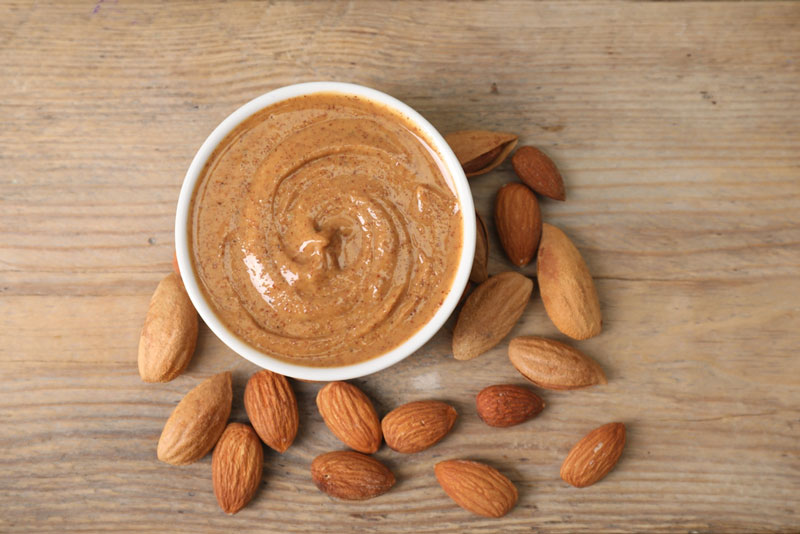
Have you ever wondered, “Can cats eat almond butter?” Well, the short answer is that almond butter is not suitable for our feline friends. Cats are obligate carnivores, which means their diet should primarily consist of meat. While almond butter may not be toxic to cats, it does not offer them any nutritional benefits they need and can potentially lead to digestive upset.
It’s fascinating how much we love to share our snacks with our pets. We see them looking at us with wide, pleading eyes, and we think, “Just a little taste won’t hurt!” However, we must be careful about what we offer them. Almond butter, while delicious for us, is high in fat and may not sit well with our cats’ sensitive stomachs. There are plenty of cat-friendly treats out there that can make our furry companions just as happy!
So, if you’re intrigued and want to learn more about why almond butter should be kept away from our beloved cats, keep on reading! We will explore the reasons behind it, how much they can have if they’re really begging, the potential benefits if any, the risks we need to consider, suitable substitutes, and some frequently asked questions. By the end of this, you’ll be a pro at knowing how to keep your kitty happy and healthy!
You might also be interested in: Can Cats Eat Almonds?
Can Cats Eat Almond Butter?
Understanding whether our cats can eat almond butter leads us to appreciate the unique dietary needs they possess. Cats are not like dogs. They can’t munch on just about anything and thrive. They’re uniquely made to process proteins from animal sources. Almond butter, being derived from almonds (which are nuts), is not part of their natural diet. While a small lick might not cause immediate harm, those almond-based snacks don’t give our kitties the essential nutrients they require.
Almond butter might seem harmless, but the high-fat content presents a problem for many cats. Cats have a different way of digesting foods compared to us. What makes a delicious treat for us could be a recipe for stomach troubles, lethargy, or worse for our kitty mates. If we think about it, it’s a bit like trying to give a cat a complex math problem. It just doesn’t compute! Though some cats might enjoy the taste, we should always think about their overall health above momentary happiness. That’s what makes us responsible pet parents.
How Much Almond Butter Can Cats Eat?
Now you’re likely wondering, “Okay, but if I really want to share some almond butter with my cat, how much can they eat?” Great question! The answer is a bit tricky because, in reality, we wouldn’t recommend giving them any at all. However, if your cat accidentally licks a little bit off your finger, don’t panic. A tiny amount might not cause immediate issues, but we should still be cautious about overindulgence.
But let’s imagine a scenario where you might think about giving them a taste. If you do choose to indulge them, moderation is key. A pea-sized dollop occasionally could be tolerated by some cats, especially if they’re healthy and not prone to any digestive issues. But even then, it’s vital to monitor their reaction. If they seem a little off after, it’s better to skip the treat entirely in the future.
As a community of pet lovers, we can ensure we keep an eye on how different foods affect our pets. If your cat does seem to enjoy tasting something new, make sure we’re aware of any signs indicating discomfort or ill effects. Always remember when trying anything new: start small and observe!
We can also consider that just like human snacks come in all flavors, the same goes for cat treats. If you’re curious about diversifying your pet’s taste buds, why not consider treats specifically designed for kitties? Investing in healthy cat treats will keep them much happier and won’t risk upsetting their delicate digestive systems!
Benefits Of Almond Butter To Cats
1. Nutritional Value: It’s intriguing to note that almond butter does have some health-boosting properties for humans, such as being rich in vitamin E and healthy fats. However, cats don’t absorb or process these nutrients like we do. They need proteins from meats to thrive and these essential vitamins won’t be as beneficial for them.
2. Treating with Care: Sharing a bite of almond butter may lead to moments of connection and joy. We all love spoiling our furry companions. However, treating with care should be our mantra. Instead of peanut or almond butter, focus on love! Soft cat treats or a trustworthy brand of wet food can also keep that special bond alive! Plus, it’s a lot more natural for our cats.
3. Encouraging Playtime: Cats often love to play and connect with us in playful ways. Instead of sharing almond butter, consider using treats that can enhance your playtime together. You can use catnip-infused goodies or interactive toys with some cat treats to deepen that bond, allowing you to engage with them while keeping their health in check.
4. Promotes Healthy Eating: As responsible pet owners, promoting healthy eating habits for our feline friends should be a priority. Knowing what they can and cannot have ensures that we are providing a solid foundation for long-term health. Instead of unhealthy snacks, we can create a routine around high-quality cat food that meets all their nutritional needs.
5. Awareness of Dietary Needs: Often, exploring what our pets should avoid helps us become better caregivers overall. Knowing that almond butter isn’t safe makes us more aware of other foods that could be harmful, hence improving our overall pet parenting. Let’s aim for tasty, healthy snacks that add joy to their lives without the downside!
Dangers Of Feeding Almond Butter To Cats
However, our curiosity shouldn’t blind us to potential risks! One of the main concerns with almond butter is that it has a very high fat content. Cats are generally good at eating high-fat foods, but too much fat can lead to obesity, pancreatitis, and other serious health conditions. Just a small amount could upset our cats and send those adorable whiskers into a whirlwind of discomfort.
Another issue we should be aware of is that many almond butter products contain added sugars and salts, which are not suitable for cats and can lead to long-term health problems. Over time, eating sugary and salty treats can lead to diabetes, kidney issues, and obesity—lovely conditions that we don’t want for our kitties!
Digestive issues are also a major concern when our curious cats get adventurous. Almonds can be difficult for them to digest, leading to diarrhea or vomiting. Lack of fiber in their main diet can exacerbate these issues. If our cats seem to be experiencing any discomfort after a taste of almond butter, that’s a clear red flag! We should not hesitate to consult with a veterinarian.
Lastly, it’s crucial to emphasize that some cats may have allergies or sensitivities to certain foods, including nuts. Not all cats react the same way to new tastes. If our furry friends show any signs of an allergic reaction, such as trouble breathing, swelling, or rashes, we should rush them to a veterinarian immediately. Always maintaining a cautious approach to what our cats consume can help us keep them safe and healthy!
Substitute Of Almond Butter For Cats
1. Pumpkin Puree: Cats love the taste of pumpkin! Plus, it’s packed with fiber, which is great for their digestion. It can be a delightfully tasty treat to feed them without concerns about upset tummies! Be sure to choose pure unsweetened pumpkin puree for the best health benefits.
2. Plain Yogurt: If your kitty can handle dairy, plain yogurt can potentially be a great occasional treat. Packed with probiotics, it can aid in digestion while keeping your furry friend’s gut healthy. Just a spoonful every now and then could be a delightful addition to their diet!
3. Cooked Chicken: Wholesome, pure protein! Cooked chicken is an excellent option for spoiling our cats without any of the concerns associated with almond butter. When we shred some chicken and sprinkle it over their usual meal, they are sure to be intrigued by the invitation to enjoy some quality protein—just ensure no seasoning has been used!
4. Cat Treats: There are countless varieties of cat treats available on the market that cater to various dietary needs. Whether crunchy or soft, these treats can be a wonderful substitute for almond butter without the worry. With so many choices, you’ll find something your cat will love!
5. Catnip: Why not take a step into their world? Catnip can make for a fun and natural treat that brings them joy without any adverse reactions. Toss a bit of catnip on their scratching post or mix it with their toys; it’s sure to have them jumping with joy!
can cats eat Almond Butter? Frequently Asked Questions
Are There Any Better Alternatives To Almond Butter For Cats?
Yes. Instead of almond butter, choose treats that match a cat’s natural dietary needs. Small pieces of plain cooked chicken, turkey, or fish, freeze-dried meat treats, or veterinarian-approved commercial cat treats are far better options and provide real nutritional value.
What Should I Do If My Cat Accidentally Eats Almond Butter?
If your cat only licked a small amount, monitor them for signs of stomach upset such as vomiting, diarrhea, or lethargy. Make sure the almond butter didn’t contain xylitol or added sweeteners, which are extremely dangerous. If your cat ate more than a tiny amount or shows concerning symptoms, contact your veterinarian promptly.
Can Cats Have Any Nut Butter At All?
No nut butter is recommended for cats. Nut butters are high in fat and can be hard for cats to digest, potentially leading to gastrointestinal upset or pancreatitis. They also offer no nutritional benefit for cats.
What Signs Should I Watch For If My Cat Is Sensitive To Certain Foods?
Food sensitivities or reactions may include vomiting, diarrhea, excessive drooling, itching, skin redness, swelling, increased grooming, or changes in appetite or behavior. If these symptoms appear after eating a new food, stop offering it and consult your veterinarian.
How Can I Make Sure I’m Feeding My Cat Healthy Treats?
Stick to treats specifically made for cats and follow portion guidelines. Treats should make up no more than 10% of your cat’s daily intake. Avoid human foods unless your veterinarian has confirmed they’re safe, and always prioritize a complete, balanced cat food as the foundation of your cat’s diet.
Final Thoughts
We must take our role as pet parents seriously, ensuring that we monitor what our furry companions eat. While sharing some delicious almond butter might sound tempting, the risks simply outweigh the rewards. Our cats thrive on high-quality, meat-based diets that cater to their unique needs.
Let’s focus our attention on safe, healthy alternatives that ensure their happiness and nourishment. After all, our responsibility is to keep our furry friends safe and healthy. So next time you enjoy some almond butter, remember your kitty might prefer a snack that comes from the home of cat treats or yummy cooked meats instead. Happy snacking!
If you’re curious about more pet-related topics, such as whether cats can eat chestnuts or cashews, be sure to check out our blog for more guidance and helpful information! Visit Huston Veterinary Blog for articles tailored to keeping your pets healthy and happy!