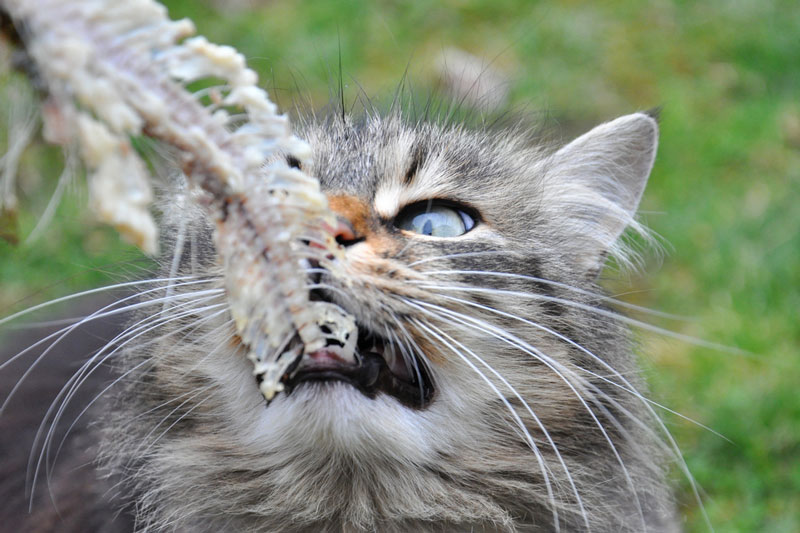
Can cats eat sardines with bones? This is a question that many pet owners have asked while trying to treat their feline friends to something special. The short answer is yes! Cats can eat sardines with bones, and these little fish can provide a tasty and nutritious treat for them. However, as with anything, there are some important factors to consider to ensure our furry companions stay safe and healthy.
In today’s world of pet care, we strive to provide our cats with the best possible diet. Sardines are packed with protein, omega-3 fatty acids, and essential nutrients that can benefit our fur babies. However, while many pet parents might wonder if including bones in their cat’s diet is a good idea, it’s essential to learn about the possible risks and benefits involved. This article will explore these considerations in detail.
So, grab a cozy spot, and let’s dive into this sardine-filled adventure together! There’s a lot to discover about how these tin fish can be a delicious addition to our cats’ meals, and we’ll discuss everything from serving sizes to the advantages and potential risks of using sardines with bones. Let’s get started!
You might also be interested in: Can Cats Eat Canned Sardines?
Can Cats Eat Sardines With Bones?
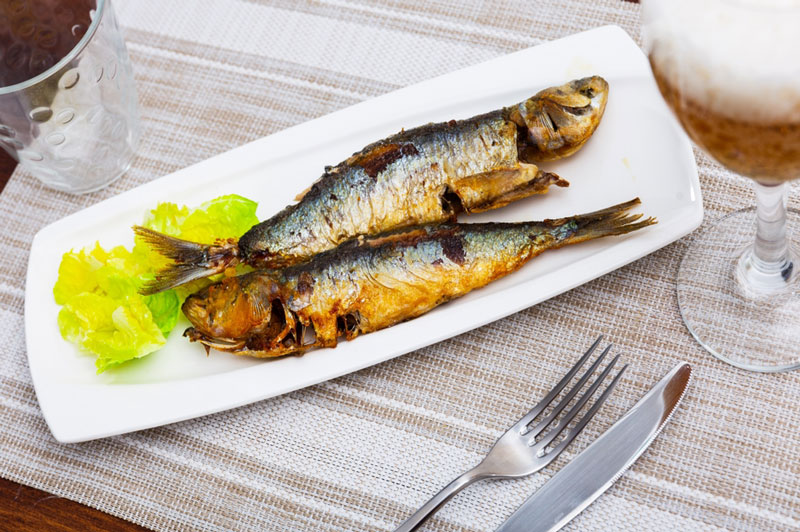
First off, let’s address whether cats can really enjoy those little fish with their bones intact. Yes, they can! In fact, many cat owners include sardines in their cats’ diet, and the bones can actually be beneficial. Sardine bones are small and soft, making them easier for our kitty pals to chew and digest. Cats are natural carnivores and are equipped to handle the nutrients and protein contained in fish, including the bones.
Feeding your cat sardines with bones can be a great way to offer them some extra nutrition. The tiny bones are a source of calcium, which is great for maintaining strong bones and teeth in our furry companions. When fed in moderation, sardines can provide an excellent supplement to your cat’s diet, keeping them happy and healthy.
How Much Sardines With Bones Can Cats Eat?
When it comes to feeding sardines to our cats, moderation is key. As much as our cats might beg for those delicious fish, it’s important to keep serving sizes in check. Too much of a good thing can lead to stomach upset or other issues. Generally, a couple of sardines can be given as an occasional treat or mixed into their regular food.
If you want to be more specific, a good rule of thumb is to give about one sardine for every 10 pounds of your cat’s weight, but this amount can vary depending on their overall health, activity level, and dietary needs. We should always keep an eye on our cats after a new treat to see how they react. If they seem more energetic and lively after enjoying some sardines, then we might be on the right track!
It’s also a good idea to only feed sardines that are packed in water or olive oil, avoiding those with added salt or spices. Remember, some flavors that humans love can be harsh for our cats’ tummies. If you hear a few meows for more, you can save the rest for future meals, creating a delightful fishing experience for your furry friend over the days to come.
As we enjoy the sardine moments with our cats, we must pay attention to their overall diet. Sardines should not replace their regular cat food or a balanced diet. Instead, they can serve as a colorful topping or an occasional treat, especially after a visit to the vet or just to show our love!
Benefits Of Sardines With Bones To Cats
1. Rich In Omega-3: Sardines are rich in omega-3 fatty acids, which are fantastic for our cat’s coat and skin. These healthy fats help keep our cats looking sleek and shiny. Plus, they can reduce inflammation and support overall health, ensuring our little furballs are feeling great.
2. High Protein Content: Another advantage of sardines is their high protein content. Cats need protein to maintain their muscle mass and energy levels. Incorporating sardines into their diet can help them fuel their playtime antics, whether it’s chasing their favorite toy or climbing to the highest perch in the house!
3. Great Source of Vitamins And Minerals: Sardines are a great source of vitamins and minerals, too. They contain essential nutrients like vitamin B12 and selenium, which can aid in brain function and boost our cats’ immune systems. A stronger immune system means that our cats can fend off illnesses more effectively, helping them live their best lives.
4. Calcium: The small bones present in sardines are a natural source of calcium. This is essential for our cat’s bone health, helping them maintain strong bones and teeth. It’s like giving them a treat that also doubles as a dental snack!
5. Boosting Appetites With New Flavor: Finally, feeding sardines can be a fantastic way to introduce new flavors to our cat’s diet. Cats can be picky eaters, and exploring different tastes can help keep their meals exciting. Plus, sharing a special treat now and then reinforces our bond with them, creating shared moments of joy in our everyday lives.
Dangers Of Sardines With Bones To Cats
As with anything we give to our cats, there are some risks to consider with sardines, especially with the bones present. Even though those bones are small and soft, there’s always a slight chance that a cat could choke on them. We must observe our little ones to ensure they safely chew and swallow their food.
Another risk lies in the salt content. Some sardines are packed in salty brine or flavored with spices. Regular exposure to high levels of salt can lead to health issues for our furry friends. We want to keep our cats healthy and happy, so sticking to sardines in water or olive oil is a much better option.
It’s also important to keep in mind that while sardines hold many benefits, they should not be the main source of our cat’s diet. Overfeeding sardines or other fish can lead to potential health issues like obesity and nutritional imbalances. If our cats start to gain weight or become less active after enjoying sardines, we might need to reevaluate how often we’re treating them to those seafood delights.
Lastly, if our fur babies have any history of pancreatitis or specific allergies, we should consult our veterinarian before adding sardines to their feed. Each cat is unique, and ensuring they have a diet that meets their individual health needs is vital for their well-being.
Substitute Of Sardines With Bones For Cats
1. Tuna: If we’re not comfortable with giving our cats sardines with bones, there are plenty of other fish that can offer a similar taste experience. Tuna, for instance, is a flavor that many cats go crazy for! Just make sure to choose tuna packed in water and in moderation.
2. Salmon: Salmon is another tasty option. Cooked salmon can be a delightful treat for our cats and contains many of the same nutrients found in sardines, such as omega-3 fatty acids and high-quality protein. Just remember to remove the bones before serving!
3. Cooked Chicken Or Turkey: For those who want to avoid fish entirely, cooked chicken or turkey can provide excellent nutritional value as well. These lean meats can still satisfy our cats’ craving for protein, plus they can be readily found in our kitchens.
4. Fish-Flavored Cat Treats: There are also many quality cat treats available on the market that are fish-flavored. These can be great alternatives that offer similar tastes without some of the risks associated with feeding sardines with bones. We should always check the ingredient list and opt for treats without added artificial ingredients.
5. Cooked Eggs: If we want to stick to natural options, cooked eggs can provide a protein boost. Scrambled or poached eggs are a great source of protein and essential nutrients. Just make sure they’re cooked well and not seasoned before sharing with our cats.
Can Cats Eat Sardines With Bones? Frequently Asked Questions
What Should I Look For When Choosing Sardines For My Cat?
Choose plain sardines packed in water, not oil or brine. Avoid added salt, spices, onions, garlic, lemon, or sauces. Short ingredient list = best choice. If possible, pick reputable brands with clear labeling.
Can I Give My Cat Sardines Every Day?
No. Sardines should be an occasional treat, not a daily food. Too much fish can lead to nutritional imbalances (especially excess phosphorus) and digestive upset. Once or twice a week in small portions is plenty.
What Are The Signs Of A Fish Allergy In Cats?
Watch for itching, excessive scratching, vomiting, diarrhea, ear infections, hair loss, or skin redness. If you notice any of these after feeding sardines, stop immediately and contact your vet.
Aren’t Sardines Too Oily For Cats?
They can be if overfed. Sardines are naturally rich in healthy fats, which is fine in small amounts, but too much oil may cause diarrhea or pancreatitis. That’s why water-packed sardines and moderation matter.
How Should I Prepare Sardines For My Cat?
Rinse sardines packed in water to reduce sodium, Serve plain, no seasoning, Break into small pieces, Bones are usually soft and safe when canned, but mash them well for kittens or senior cats, Serve at room temperature
Final Thoughts
In conclusion, we’ve learned that our furry companions can indeed enjoy sardines with bones as a part of a balanced diet. These tiny fish offer numerous benefits, from delicious flavor to essential nutrients that support our cat’s health. However, we must always exercise moderation and caution, ensuring that we provide the best options for our buddies.
As pet parents, we hold the responsibility of keeping our cats happy and healthy. So, be sure to keep an eye on their overall well-being and slightly mix it up in their diet. And if you want to explore more about what foods you can share with your pets, consider reading about other topics such as cats eating starkist tuna and dogs and mackerel. Our pets adore our company and the love we show them, so let’s keep creating delicious, memorable moments together!