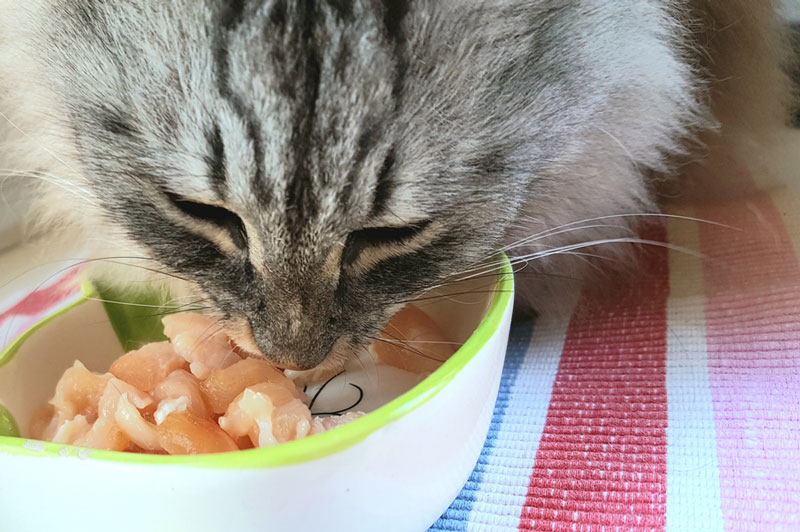
Can cats eat boiled chicken? That’s a question many cat owners have asked, and we’re glad you popped in with it! The answer is yes, cats can eat boiled chicken, and many actually love it. This protein-packed treat is safe and can even be a great addition to their diet. Boiled chicken provides necessary nutrients that your feline friend craves, helping maintain their health and energy levels.
Cats, being carnivores, thrive on high-protein diets, and boiled chicken is often recommended by veterinarians as a healthy snack or meal. It is easily digestible and can be an excellent option for cats with sensitive stomachs. Plus, the tender texture is just irresistible for most cats. You’ll find that if you whip up some boiled chicken for your kitty, they’ll look at you with those big, pleading eyes, ready to pounce once you serve it.
If you’re curious to learn more about how boiled chicken can benefit your furry friend, keep reading! We have some fantastic insights about the right portions, possible risks, and how this delectable dish can fit into a well-rounded diet for your fur baby.
You might also be interested in: Can Cats Eat Chicken Liver?
Can Cats Eat Boiled Chicken?
Absolutely! Boiled chicken is not only safe for cats but is also a delightful treat that many felines enjoy. Being natural carnivores, cats instinctively seek out protein-rich foods, and chicken fits the bill perfectly. When properly prepared, boiled chicken can be a wholesome addition to your cat’s diet.
It’s important to note that any meat you give to your cat should be free from seasoning, sauces, or spices. Chickens are popular choices for cat food as they are lean and contain essential nutrients required for your kitty’s health. Boiling the chicken makes it soft and tender, ensuring that even the pickiest eaters can munch it without any difficulty.
The benefits don’t stop there! Chicken is packed with protein, which is vital for your cat’s muscle development and overall strength. In addition, it contains essential amino acids like taurine, which is critical for heart health and vision in cats. However, while offering boiled chicken as a treat, we should always remember that it should complement a balanced diet rather than replace regular cat food.
Before you serve up this delicacy, it’s best to ensure that your cat has no known allergies to chicken. Some cats can develop sensitivities over time. Observing your cat’s reactions after introducing new foods is a good practice. A gradual introduction can help us monitor how our furry friends handle it!
How Much Boiled Chicken Can Cats Eat?
Feeding boiled chicken to our cats can be a joyous occasion, but moderation is key! Just like how we enjoy our favorite foods, kitties can have their favorites too, but it’s essential not to overindulge them. Portion control is vital when it comes to giving our cats treats, and this applies to boiled chicken as well.
Depending on our cat’s size and dietary needs, small servings are appropriate. A good guideline is to start with tiny pieces. For an average house cat, we can begin with one or two tablespoons of shredded boiled chicken as a treat. It’s best to see how our cat responds before offering larger amounts.
We can gradually increase the serving size over time, provided our cat enjoys and can handle it. Typically, cats should not consume more than 10 percent of their daily caloric intake from treats, including boiled chicken. If your cat weighs around 10 pounds, we’re talking about approximately 200 calories a day – just to give you an idea!
Your cat’s health status and activity level might influence how much chicken they can eat. If they are more active, they might need more protein. But if they are more sedentary or overweight, we should be cautious about how much we’re feeding. A good talk with your veterinarian can provide us with tailored advice on our cat’s nutritional needs. They can help us balance everything out to keep our pet happy and healthy!
Remember, treats are meant to be just that—a treat! If we regularly feed boiled chicken, we should slowly replace it with their staple food to maintain a balanced diet. Reviewing the nutritional content on any cat food is always a good practice, so we can choose the right main meal that balances out any extras we’re treating our cats with.
Benefits Of Boiled Chicken To Cats
1. Growth And Maintenance: It’s an excellent source of lean protein, essential for the growth and maintenance of your kitty’s muscle mass.
2. Aids in Heart Function And Vision: It contains taurine, an amino acid critical for heart function and vision in cats, helping them stay healthy and sharp.
3. Easy Digestion: Being easy to digest, boiled chicken is a perfect choice for cats with sensitive stomachs or certain health conditions.
4.Boost Appetite: Incorporating boiled chicken into our cats’ diets can encourage picky eaters to accept their regular kibble or canned food.
5. Bonding Moments: It’s a fun way to bond with our pets! Preparing boiled chicken can become a wholesome activity we share with our feline friends, making mealtime extra special.
Dangers of Boiled Chicken To Cats
While boiled chicken offers a range of benefits, we need to be aware of potential risks involved in feeding it to our cats. We don’t want our feline friend to experience any adverse effects. A major concern is feeding too much. Excessive protein from chicken or any treat can lead to health issues like obesity or digestive problems over time. Maintaining a balanced diet is crucial for ensuring our cat thrives!
Another danger is the possibility of our cats developing a food allergy or sensitivity toward chicken. Signs may manifest as digestive issues or skin irritations. Once any adverse reactions are observed, it’s essential to discontinue feeding them chicken and consult a vet for guidance. Also, remember to prepare the chicken properly! Chicken should be fully cooked without any seasonings or additives, as salt, garlic, or onion can be toxic to pets.
Eating chicken bones poses another risk. Ensure that our cats only have access to boneless chicken. Even small bones or bone shards can splinter and injure your cat’s digestive tract or lead to choking hazards. To keep them safe, we should shred the meat before offering it to our furry companions.
Finally, it’s also significant not to forget that treats should play a minor role in our cats’ diets. Over-dependence on human food can lead to cats’ refusal to eat their regular food, leading to nutritional imbalances. Balancing is vital! Regular vet check-ups can help catch and prevent any issues before they escalate.
Substitute Of Boiled Chicken For Cats
1. Boiled Turkey: If we’re looking for an alternative to boiled chicken, boiled turkey can also be another lean protein option for our feline friends.
2.Occasional Treats: Fish, such as tuna or salmon, can serve as a delicious protein source, but we should limit these to occasional treats due to higher fat content.
3. Cooked Eggs: Certain cooked eggs can add variety! Scrambled or hard-boiled eggs provide essential vitamins and minerals, making them a nutritious option.
4. Chicken: Commercial cat food that includes chicken as one of its main ingredients can be a reliable choice as well. Some brands even offer chicken-flavored treats specifically formulated for feline nutrition.
5. Cottage Cheese: Finally, cottage cheese can work as a protein source for some cats, although most felines are lactose intolerant, so moderation is key to avoid digestive discomfort.
Can Cats Eat Boiled Chicken? Frequently Asked Questions
Is Boiled Chicken Safe For All Cats?
Yes, plain boiled chicken is generally safe for most cats. It’s easy to digest and a good source of lean protein. However, cats with food allergies, kidney disease, or special dietary needs should only have it if a vet says it’s okay.
What Should I Avoid When Feeding My Cat Chicken?
Avoid seasonings, salt, spices, onions, garlic, butter, oil, sauces, and marinades. Never give raw chicken due to bacteria risk, and always remove bones, skin, and excess fat.
How Often Can I Treat My Cat With Boiled Chicken?
Boiled chicken should be an occasional treat, not a daily replacement for cat food. A few small pieces 1–2 times a week is enough. Cats need nutrients (like taurine) that chicken alone can’t provide.
Can I Feed My Cat Other Types Of Cooked Meat?
Yes, in moderation. Plain cooked turkey, beef, or lamb (unseasoned and boneless) can be safe treats. Avoid processed meats and fatty cuts. Fish should be given sparingly.
Is it Necessary To Consult A Vet Before Changing My Cat’s Diet?
Yes—especially if you plan to make regular changes or your cat has health issues. Sudden diet changes can cause stomach upset, and a vet can help ensure your cat’s nutrition stays balanced.
Final Thoughts
In conclusion, we can confidently say that boiled chicken is a delightful treat for our feline companions! It provides numerous benefits and is safe for their consumption when prepared correctly. Keeping moderation in mind is essential, and we should always monitor our cats for any signs of allergies or dietary distress. Feeding them boiled chicken can be a fun way to bond and show them love, but we must keep in mind that a balanced diet plays a vital role in their overall well-being.
If you want to explore more about what your furry friend can safely eat, check out our guide on cats and raw chicken breast, or learn about other pet nutrition topics in our blog at Huston Veterinary Blog. We’re sure you’ll find it enlightening!