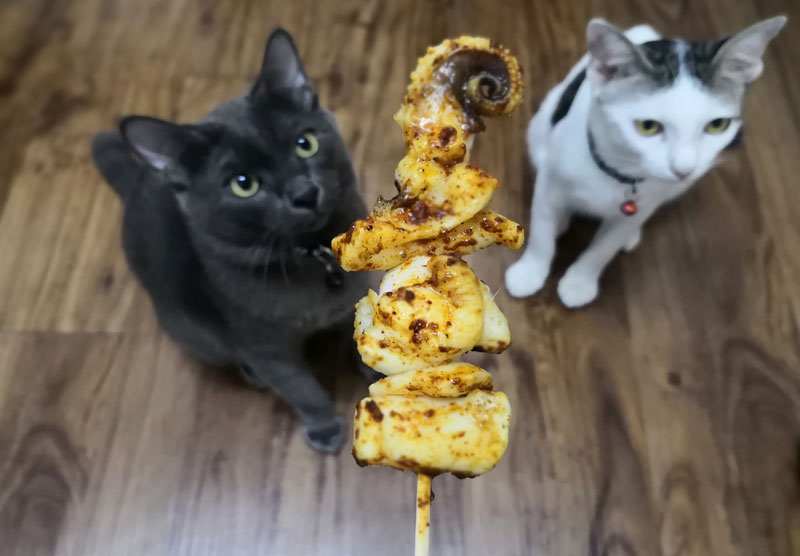
Can cats eat squid? That’s a question that many pet lovers ask, especially those who enjoy seafood themselves! Well, here’s the scoop: yes, cats can eat squid, but there are some important things we need to consider before we fling some calamari their way. Cats are obligate carnivores, which means their diet primarily consists of meat. So, while they can munch on squid, it shouldn’t become a regular part of their menu. The taste may intrigue some felines, as they are naturally attracted to fishy scents and flavors.
This brings us to a fun culinary adventure for our furry friends! Squid is packed with protein and other nutrients. However, just because they can eat it doesn’t mean it’s always the best choice for their overall health. Many factors come into play, including how it’s prepared and served. So, let’s explore the various aspects of this prompt and ensure kitty stays healthy while satisfying those seafood cravings. Keep reading to discover the delicious yet cautious world of feeding squid to our beloved pets!
Before we dive in (not literally!), let’s explore the ins and outs of whether cats can eat squid and what we should keep in mind. We have a lot to cover, including benefits, risks, and even some tasty substitutes that might just tickle their taste buds! Everybody loves a good food story, especially when it involves our whiskered pals. Let’s get started!
You might also be interested in: Can Cats Eat Octopus?
Can Cats Eat Squid?
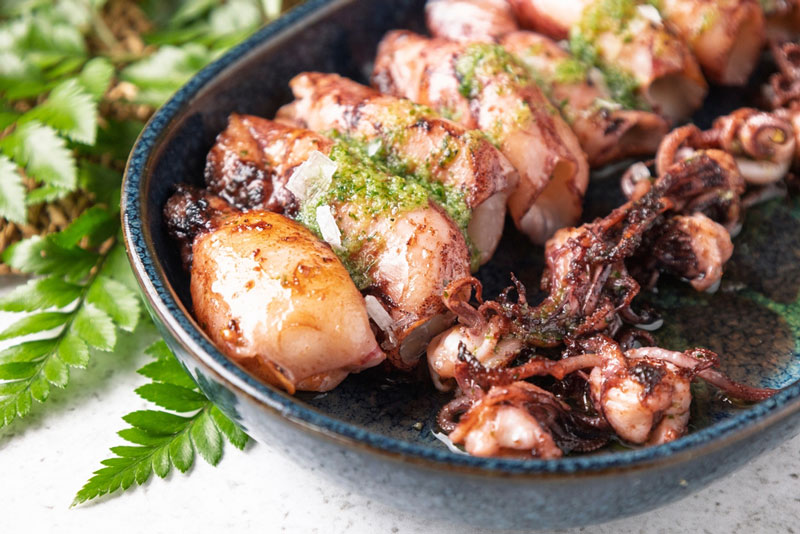
As we mentioned earlier, there’s good news for adventurous cat owners: cats can eat squid! Many seafood options make an appearance in our feline friends’ diets, so why not include squid? However, we must consider how significant a role it should play. While cats can digest squid, it should be an occasional treat rather than a dietary staple. Squid contains beneficial nutrients like protein and various vitamins, but it also gets a bit complicated.
When we’re talking about feeding squid to our cats, preparation is key! It’s crucial to serve it cooked and plain. Nobody wants a seasoned or sauced option for their feline; they might not appreciate garlic or the zing of lemon like we do. Raw squid can harbor bacteria and parasites that could upset your kitty’s stomach. So cooking it properly is essential to ensure its safety. Grilling, boiling, or baking squid without any additives can be a decent way to share this delectable ocean critter with your four-legged companion.
Moreover, we need to examine portion sizes closely. A small piece of cooked squid here and there can be a delightful surprise for your cat’s taste buds. However, too much squid can lead to an upset stomach or other gastrointestinal issues. Whether it’s seafood-themed cat food or an occasional seafood treat, always monitor your feline’s reaction after they try something new to avoid any unexpected surprises later on!
How Much Squid Can Cats Eat?
So how much should we feed our furry companions if we choose to offer them squid? Well, there’s no one-size-fits-all answer, and we need to consider a few factors here. Generally, if we introduce squid to our cat’s diet, moderation should be our golden rule. Having said that, a small piece, about the size of a fingernail, should be more than enough for a treat! Keeping portions small helps ensure that our cats enjoy squid without any negative side effects.
The frequency at which we offer squid also comes into play. A couple of times per month is typically safe. However, it heavily depends on our cat’s specific dietary needs, weight, and health status. For some cats, especially those who are more sensitive to new foods, less could be more. Monitoring their eating habits will help us gauge if they’re tolerating squid well. Then we can adjust accordingly without putting their digestive systems at risk.
For our cats that are predominantly on a high-protein diet—often the case since they are carnivores—adding squid occasionally will create a nutritious balance. In other words, think of squid as a fun surprise rather than a regularly scheduled meal! And it might be a delightful experience for both us and our pets. As long as we stick to small portions and pay attention to potential reactions, we can share this tasty seafood treat and make our cats feel like part of the family culinary experience. They may even look at us with those big adorable eyes saying “thanks for the gourmet selection!”
In conclusion, we take pride in how much we love and care for our pets’ well-being. It’s essential to keep things enjoyable and safe. Therefore, keeping an eye on portion size and frequency while introducing new food can help us maintain a happy, healthy kitty. Always remember: moderation is the key ingredient to success in the kitchen for humans and felines alike!
Benefits Of Squid To Cats
1. Protein Boost: One of the standout benefits of squid is its high protein content. Cats require protein for healthy growth, energy, and muscle development. By offering our cats a small amount of well-cooked squid, we can incorporate an additional protein source into their diet, giving them that extra boost to explore their silly antics or have a play session.
2. Essential Nutrients: Squid not only provides protein but also boasts several essential nutrients critical for our cat’s overall health. It contains vitamins B12 and E, as well as omega-3 fatty acids. These nutrients help support a healthy coat, improve brain function, and even boost their immune system. Including squid every now and then can help keep our feline friends feeling fabulous and healthy.
3. Low in Calories: When it comes to managing our cat’s weight, squid can be beneficial because it is low in calories compared to many common treats. Giving them a bit of squid can satisfy their cravings without adding too many calories. It’s essential that we keep an eye on our cat’s weight and adjust their diet accordingly to avoid any unwanted pounds.
4. Variety in Diet: Cats can get bored with the same food day in and day out, and adding squid can be just what they need to spice things up. A versatile and varied diet can help stimulate their appetite and keep them excited about mealtime. By introducing treats like squid now and then, we provide mental stimulation along with a delicious reward!
5. Bonding Experience: Sharing food with our pets can be a beautiful way to strengthen the bond we have with them, and offering them a bite of squid could lead to happy moments. Watching them enjoy these culinary adventures can create so many joyful memories together. Plus, who wouldn’t want to be known as the cool pet parent that brings gourmet delights to the table?
Dangers Of Feeding Squid To Cats
While it’s fun to think of all the benefits, we must also remember that there are risks when it comes to feeding our beloved cats squid. Firstly, overindulgence can be troublesome! Cats’ digestive systems are not built to handle large quantities of seafood, which means that if we give them too much squid, we might be in for a surprise in the form of an upset stomach or other gastrointestinal issues.
Another risk is related to food additives. Seasoned or fried squid can be tempting for us to share, but those flavors and oils can be harmful. Cats don’t process garlic or onion well, and those ingredients are commonly found in flavored seafood dishes. This could lead to serious health risks if our cats accidentally consume such additions. Keeping it simple with plain squid cooked without any extras is the best option!
Additionally, there may be concerns about allergic reactions. Some cats may be sensitive to seafood, and squid is no exception. Initially introducing it in small amounts is vital to keeping their tummies happy. If we notice unusual behavior such as vomiting, diarrhea, or signs of distress, it is wise to stop serving it immediately and consult with our vet.
Finally, beware of choking hazards! Squid is chewy, and it could pose a risk for our kitties if they’re not careful. Always supervise them as they munch on this seafood treat, ensuring they take their time and enjoy every bite safely. Choking incidents are no fun for anyone involved, and it’s essential to ensure our cats are consuming food in a safe manner!
Substitute Of Squid For Cats
1. Cooked Fish: Instead of squid, we can opt for other seafood options like cooked fish, which is commonly appreciated by most cats. Salmon and tuna can be excellent choices, offering similar nutritional benefits. Just ensure they are cooked, unseasoned, and offered in moderation to avoid health issues!
2. Chicken: Another great alternative is chicken! Since many of our cats enjoy poultry, providing cooked chicken as a treat can be a hit. Unseasoned, boneless, and skinless pieces will ensure they’re getting a lean protein source while keeping taste in mind.
3. Turkey: Just like chicken, turkey is another poultry option that cats seem to enjoy. Once cooked and prepared properly, we can share small portions of turkey meat with our cats, keeping them happy and healthy!
4. Chicken or Fish-based Cat Treats: Many pet stores offer treats specifically formulated for our furry friends that contain seafood or meat flavors. These treats are specially designed to meet their nutritional needs while keeping things playful.
5. Obligate Carnivore Cat Food: Finally, let’s not forget that there are high-quality commercial cat food options tailored just for our feline companions. These formulas often contain chicken, fish, or other protein sources that our cats love! It ensures they receive a balanced diet while keeping a variety of tasty proteins available in their meals.
Can Cats Eat Squid? Frequently Asked Questions
Can Cats Eat Raw Squid?
It’s safer to avoid feeding raw squid to our cats because it may harbor harmful bacteria and parasites. Instead, opt for cooked squid without additives!
Is Squid Safe For Kittens?
It’s best to wait until our kittens are older with developed digestive systems before introducing squid. Instead, focus on their specially formulated kitten food for balanced nutrition.
Will All Cats Like Squid?
Not all cats may be fans of squid. Some cats can be picky eaters, while others may not prefer the taste or texture. It’s best introduced gradually to assess their interest!
What If My Cat Gets Sick After Eating Squid?
If your cat shows signs of illness after eating squid or any new food, consult a vet immediately to monitor symptoms and ensure they receive the right care.
Are There Any Benefits In Feeding Squid To Cats?
Yes! Squid is a great source of protein and essential nutrients, offering potential benefits to our felines. It’s important to keep portion sizes small, though!
Final Thoughts
As we wrap up our discussion about whether our beloved cats can eat squid, let’s remember that moderation is the key to enjoying new treats. Squid can be a safe and exciting way for us to bond with our furry friends and introduce variety in their diet when prepared properly. When we stick to cooked squid, avoid those potentially harmful additives, and keep portions small, we hit jackpot territory for kitty mealtime!
We can’t forget to stay informed and aware of our cats’ needs and reactions when diversifying their food, especially with potentially new options. Should something feel off, it’s always best to check in with our veterinarians to get the best guidance for our pet’s health.
If you’re hungry for more information, you can explore other related topics about our pets. Want to know if chocolate is bad for cats? Check out can cats eat raw squid. Our journey with our pets continues, and there’s always something new to learn!