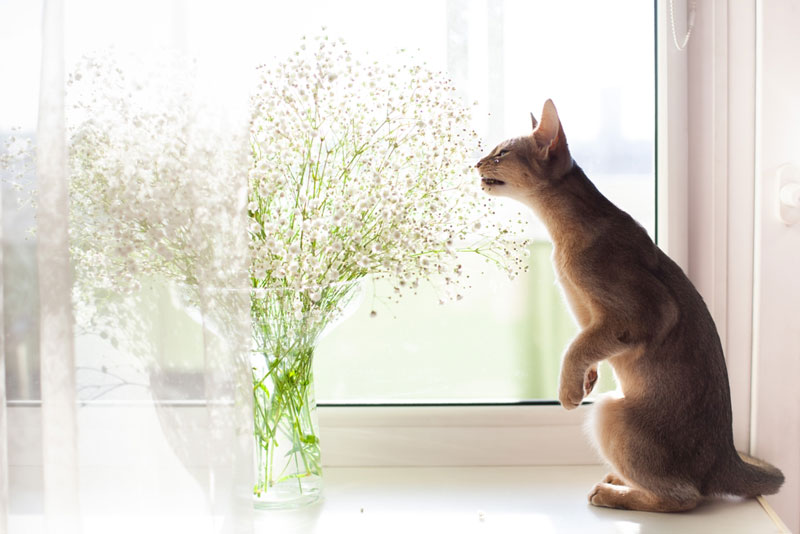
Have you ever wondered if cats can eat baby’s breath? Well, it is a question worth asking! The short answer is no, cats cannot eat baby’s breath. This flower, while pretty to look at, can actually be harmful to our furry friends. Cats are curious creatures that will often nibble on whatever they find, including plants, but we need to be careful about what types of greenery they have access to.
Baby’s breath, also known as Gypsophila, is commonly used in floral arrangements. While it may seem harmless, when consumed by cats, it can cause various health issues. It’s important for us as pet owners to be aware of which plants can pose dangers to our beloved pets. Keeping our cats safe means knowing which plants are toxic.
If you’re interested in learning more about the implications of cats and baby’s breath, including potential benefits, risks, and safe alternatives, keep reading! Let’s ensure our cats are healthy and happy by understanding what they can and cannot eat.
You might also be interested in: Can Cats Eat Roses?
Can Cats Eat Baby’s Breath?
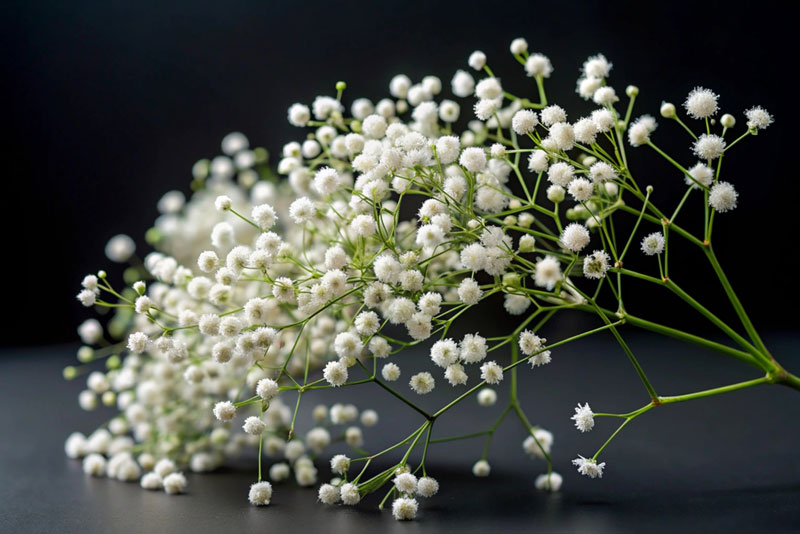
As we delve deeper into this topic, it’s clear that cats should not eat baby’s breath. This flower contains saponins that can be harmful if ingested. Although cats are known for having a robust digestive system, that does not mean that everything they consume is safe. Cats are obligate carnivores, which means they thrive on meat-based diets. Their bodies are simply not equipped to handle many types of plant material.
Baby’s breath is typically used in floral arrangements, often seen in bridal bouquets or as decorative filler. While it may look lovely, the reality is that even a small amount can cause gastrointestinal distress in cats. If you suspect your cat has nibbled on some baby’s breath, it’s important to monitor them closely for any signs of discomfort or illness.
How Much Baby’s Breath Can Cats Eat?
When considering how much of anything can be consumed, we need to remember that every cat is different. However, in the case of baby’s breath, the answer is simple: under no circumstances should a cat eat even a small amount of this plant. Unlike some safe plants that might cause mild upset stomachs, baby’s breath can lead to more serious reactions.
Let’s look a bit closer at what happens if a cat eats too much or even a little bit of baby’s breath. Symptoms may include vomiting, diarrhea, and lethargy. It’s important to know that since our cats cannot communicate how they feel verbally, we need to be observant. If you notice unusual behavior like hiding, decreased appetite, or signs of discomfort, it’s time for an emergency visit!
Feeding our pets should be a controlled affair, and that includes what they munch on from plants. Always ensure that any plants they have access to are non-toxic and safe for consumption. If you’re ever unsure about what plants or foods are safe, always consult your veterinarian.
As responsible cat owners, we must take steps to prevent them from accessing harmful plants, including baby’s breath. Keeping our homes free of toxic plants is just one of the many ways we show love to our feline friends.
Benefits Of Baby’s Breath To Cats
1. Safety First: Understanding which plants are toxic is the best advantage we can have. This knowledge helps us create a safer environment for our cats.
2. Peace of Mind: Knowing that certain flowers like baby’s breath are dangerous can offer us peace of mind. We can relax knowing that our precious pets are safe.
3. Better Choices: When we learn more about what is harmful, we become better at choosing safe plants and flowers for our homes.
4. Healthier Pets: The fewer toxic materials in our cats’ environment, the healthier they will be. This keeps them from having to deal with unnecessary health issues.
5. Stronger Bond: By ensuring our felines are safe from harmful things, we can create a stronger bond built on trust and care. Our cats rely on us to keep them safe!
Dangers of Baby’s Breath To Cats
The risks of allowing our cats to come into contact with baby’s breath cannot be understated. Most importantly, if a cat eats this flower, they can experience symptoms like vomiting and diarrhea. These symptoms can range in severity depending on how much was ingested and the sensitivity of the individual cat.
In more severe cases, a cat might exhibit symptoms such as lethargy, decreased appetite, or even more dramatic behavior changes. For our cats, these are serious signs, and we must act quickly. If we notice any of these symptoms after our cat has eaten baby’s breath, we should not hesitate to contact our veterinarian for advice. It is better to err on the side of caution.
Wouldn’t it just break our hearts to see our furry family members in discomfort? Some plants can cause long-term health issues as well, and the damage done by eating toxic plants might not be immediately obvious. Ensuring that mundane objects like flowers are safe is a step we can take that will help shield our beloved cats from danger.
Substitute Of Baby’s Breath For Cats
1. Cat Grass: Offering our cats safe plants like cat grass is a great option. Cat grass is non-toxic and can help improve their digestive health. Plus, it’s fun for them to nibble on!
2. Catnip: We all know that many cats love catnip. This herb can provide fun and excitement without the risks associated with baby’s breath.
3. Peppermint: Peppermint can also be a safe alternative that many cats enjoy. Just ensure that it’s a cat-safe variety!
4. Wheatgrass: Like cat grass, wheatgrass can help our cats with their digestive health too, and it serves as a substitute snack that won’t harm them.
5. Mint: Mint can be another interesting choice that adds variety to our cats’ safe munchies without the worry of toxicity.
Can Cats Eat Baby’s Breath? Frequently Asked Questions
What Should I Do If My Cat Eats Baby’s Breath?
Baby’s breath (Gypsophila) is mildly toxic to cats. If your cat nibbles it, remove the plant right away and watch for symptoms like drooling, vomiting, or diarrhea. Offer fresh water. If symptoms are persistent, severe, or your cat ate a lot, call your vet or a pet poison helpline.
How Can I Tell If My Cat Is Sick From Eating Plants?
Common signs include vomiting, diarrhea, drooling, pawing at the mouth, loss of appetite, lethargy, or tummy discomfort. Serious signs (tremors, trouble breathing, collapse) are rare with baby’s breath but require immediate veterinary care.
Which Common Houseplants Are Safe For Cats?
Some cat-safe options include spider plant, Boston fern, areca palm, calathea, and prayer plant. Even safe plants can cause mild stomach upset if chewed a lot, so moderation still matters.
Are There Any Flowers That Are Safe For Cats?
Yes—roses (no pesticides), orchids, sunflowers, gerbera daisies, and snapdragons are generally considered non-toxic. Always double-check, since bouquets often mix safe and toxic flowers.
What Can I Do To Keep My Cat Away From Toxic Plants?
Place plants out of reach, use hanging planters, or switch to cat-safe plants only. Offering cat grass can redirect chewing. Bitter deterrent sprays (pet-safe) can help, and curiosity usually fades when plants aren’t accessible.
Final Thoughts
As cat lovers, we hold the responsibility of keeping these adorable creatures safe and healthy. Now that we know that cats cannot eat baby’s breath, we can create a safe home for our furry friends. It’s important to stay informed about which plants are harmful to our pets and which are safe. This knowledge allows us to make better choices and ensures that our cats will not experience unnecessary health problems.
If you want to learn more about pet safety and health, feel free to check out can cats eat cauliflower for even more insights. Explore and empower yourself in our shared mission of loving and caring for our furry companions.