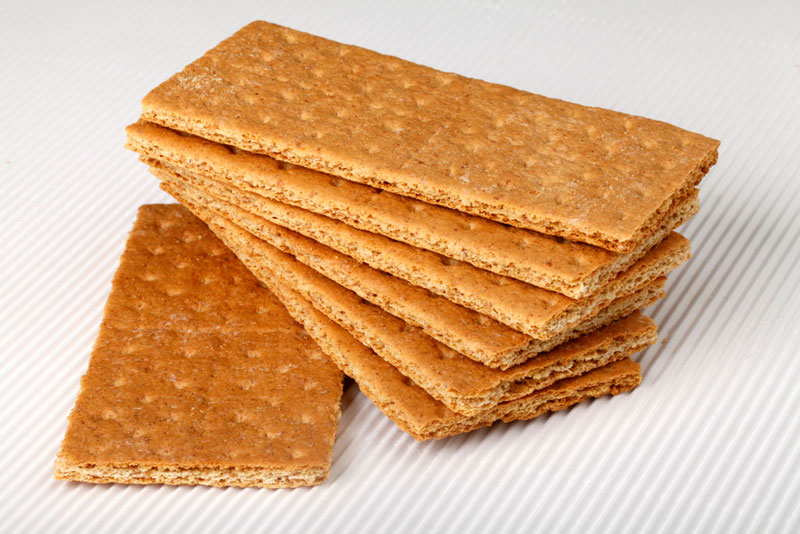
Have you ever wondered if your furry feline friend can join you in enjoying some tasty graham crackers? Well, the short answer is no, cats should not eat graham crackers. These sweet snacks, while delicious for us, don’t provide any nutritional benefits for our cats and can even pose some risks to their health. So, before you toss a cracker to your curious kitty, let’s explore why it’s best to keep those graham crackers to ourselves.
Graham crackers might evoke thoughts of summer s’mores or cozy movie nights, but they aren’t meant for our whiskered companions. Cats are obligate carnivores, which means their diet is primarily made up of meat. They require specific nutrients that graham crackers simply can’t provide. Understanding what’s safe and healthy for our pets is crucial in ensuring their long-term well-being, so let’s dig deeper into the topic of cats and graham crackers.
Curious about what makes graham crackers unsuitable for our feline friends? Stay with us as we unravel the details, covering everything from the potential risks of feeding your cat these tasty morsels, to healthy alternatives that are better suited for our furry pals. Grab a snack of your own (perhaps a graham cracker, but not for the cat), and let’s get started!
You might also be interested in: Can Cats Eat Ritz Crackers?
Can Cats Eat Graham Crackers?
Graham crackers, originating in the early 19th century, are often considered a staple snack in many households. They are made from graham flour, sugar, and other ingredients that contribute to their sweetness. While they may seem harmless, the truth is that our feline friends have very different dietary needs than we do. Cats simply lack the necessary enzymes to break down certain carbohydrates found in human foods like graham crackers.
As obligate carnivores, cats thrive best on a diet rich in meats. Their digestive system is designed to process high-protein and low-carbohydrate foods. When we feed them something that doesn’t fit within this framework, such as graham crackers, we risk disrupting their digestive balance. So even though you may want to share your snack with your kitty, it’s really best to keep those crumbs to yourself.
How Much Graham Crackers?
If you’re wondering if a small piece of graham cracker would be safe, it’s important to recognize that even tiny amounts can have consequences. While feeding our cats small amounts of certain human foods can be a fun treat or a bonding experience, graham crackers are not one of those snacks that we should consider offering. A scene in a movie might show a cat happily munching on snacks, but reality says otherwise. Even if a cat seems to enjoy a taste, it doesn’t mean it’s safe.
Paying attention to portion sizes is crucial when it comes to human food. It’s easy to think, “Just a little won’t hurt,” but the truth is that cats have very specific dietary needs. Feeding even a small morsel of graham cracker can lead to digestive upset and other potential issues. If you want to spoil your furry friend, opt for cat-safe treats instead.
If your cat does accidentally consume graham crackers, keep an eye on them for any unusual behavior. Signs of distress could include vomiting, diarrhea, or a change in appetite. Should these symptoms arise, a chat with a veterinarian is a wise choice.
To further emphasize, our pets rely on us to make informed choices about their diet. While a graham cracker may be tempting, it’s our responsibility to prioritize their health and well-being over fleeting moments of fun.
Instead of graham crackers, let’s explore cat treats specifically designed for their unique nutritional requirements. Offering safe snacks ensures a happy tummy and a happy feline!
Benefits Of Graham Crackers To Cats
1. Protein-Rich Diets: Cats thrive on protein-rich diets that blend meat and fats. These requirements mean that certain human foods, like graham crackers, simply do not provide any real benefits in terms of nutrition.
2. New Taste: Grazing on human snacks may tempt our kittens, but the risks of digestive issues far outweigh the benefits. Keeping their diet simple and suited for their needs supports better health.
3. Reinforce Positive Behavior: Rewarding our feline friends with cat treats that are healthy can actually reinforce positive behavior. Using cat-friendly rewards during training, for example, builds trust while ensuring they get the right nutrients.
4. Interest: One thing we always keep in mind is that variety in their diet can be interesting for our cats. However, it should always be varied within safe parameters, choosing treats specifically made for cats.
5. Strong Bonds: Enthusiastic play and strong bonds with our feline friends can be nurtured through proper diet and rewarding behavior. Just as we feel good after a healthy meal, so do our cats!
Dangers Of Graham Crackers To Cats
Understanding the potential risks associated with feeding graham crackers to cats is critical. These dangers include possible gastrointestinal disturbances like vomiting, diarrhea, or a combination of both. Since cats have sensitive systems, even small changes can lead to discomfort.
Moreover, graham crackers usually contain sugars and spices, which can aggravate your kitty’s stomach. Sugar is something we should generally avoid giving to our cats, as their bodies can struggle to manage it appropriately. High sugar intake can lead to obesity over time, which brings a whole host of other health problems.
We must also think about the carbohydrates in graham crackers. While humans can thrive on a diet including carbs, our cats do not possess the necessary enzymes to digest these foods, making it a potential source of trouble in their digestive systems. An upset kitty is never fun!
Another aspect to consider is that some graham crackers may contain ingredients that could be toxic to cats, like chocolate or certain flavorings. Cats are especially vulnerable to certain toxins, making it critical that we actively avoid feeding them items that can harm them.
Understanding our cat’s needs allows us to provide them with better choices. It’s essential to be more informed about the scope of their needs and treat them like the royalty they are. They deserve our wisdom as their caretakers!
Substitute Of Graham Crackers For Cats
1. Cat Treats: Instead of graham crackers, opt for specific cat treats. They come in countless flavors and formulations designed to keep our furry friends healthy and happy. Treats made with real meat or fish provide protein and taste.
2. Freeze-Dried Raw Meats: Another wonderful option is freeze-dried raw meats. They come in small pieces and can be an exciting and satisfying treat for your cat, providing excellent nutrition without any risky ingredients!
3. Homemade Cat Treats: If you’re feeling creative, homemade cat treats can be a fun project. There are plenty of recipes available online featuring ingredients that are safe and healthy for our kitties, like tuna or chicken. Our pets will love them!
4. Catnip: It’s a delightful substitute. Many cats go crazy for this fragrant herb. Offering them dried catnip or toys filled with it can provide endless entertainment without any risks!
5. Fresh Fruits: It can also be given in moderation. Cats can enjoy small bits of melon or bananas as snacks—just remember to avoid any seeds and remove the skins!
Can Cats Eat Graham Crackers? Frequently Asked Questions
Can Cats Eat Any Humans Foods?
Yes, but only a few—and always in moderation. Plain, cooked foods like boiled chicken, turkey, or certain fish can be safe treats. However, many human foods (including graham crackers) aren’t designed for a cat’s digestive system and offer no real nutritional benefit.
What Are Some Other Human Foods That Are Unsafe For Cats?
Foods to always avoid include chocolate, onions, garlic, grapes, raisins, alcohol, caffeine, xylitol (sweetener), and highly processed snacks. Many baked goods and crackers fall into the “best avoided” category.
How Do I Choose The Best Treats For My Cat?
Stick with vet-approved cat treats or simple, single-ingredient options like freeze-dried meat or small pieces of plain cooked protein. Treats should make up no more than 10% of your cat’s daily calories.
What Should I Do If My Cat Eats Something Toxic?
Remove access to the item immediately and watch for signs like vomiting, diarrhea, drooling, lethargy, or tremors. If you suspect toxicity, contact your veterinarian or an emergency pet clinic right away.
Can Cats Have Any Kind Of Snacks?
Yes—cat-specific snacks are the safest choice. While a tiny crumb of a graham cracker likely won’t cause harm, it’s better to skip it and offer something your cat’s body actually benefits from.
Final Thoughts
As we’ve seen, while graham crackers may be a tempting snack for us, they pose significant risks to our feline friends. Their dietary needs are unique, requiring specific nutrients often found in natural meats and formulated cat treats. Keeping a watchful eye on what we feed our cats is key to their health.
Pet care is about making choices that prioritize our furry companions’ well-being. Sugar, carbs, and unsafe ingredients in human snacks can all disrupt our cats’ health. Instead, let’s explore healthy alternatives that bring joy without the risk of harm. By offering a rewarding, nutritious diet, we ensure that our beloved pets live long, happy lives.
If you’re eager to learn more about what’s safe for our furry companions, check out our articles on pet care tips, or learn about cheez its’ effects on cats. Let’s keep exploring and ensure we give our pets the best possible lives!