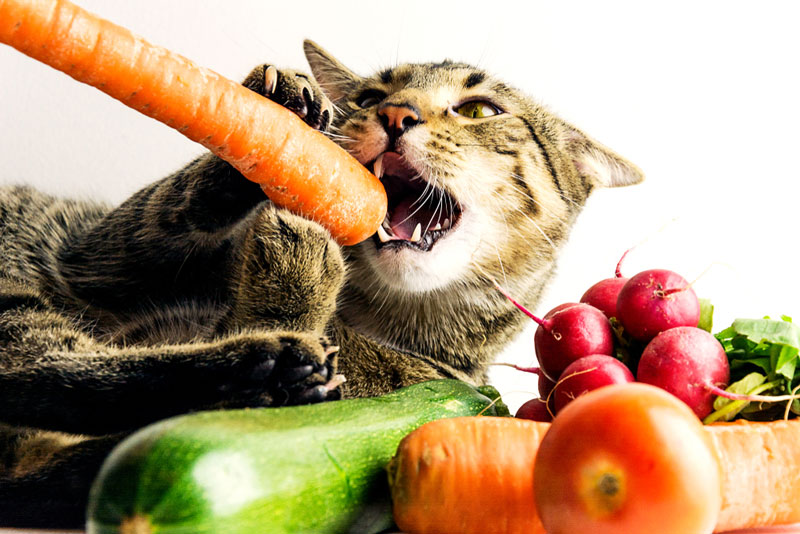
Have you ever wondered if cats can eat raw carrots? The answer is yes, they can! While cats are primarily carnivorous and thrive on animal protein, they aren’t strictly opposed to munching on some veggies now and then. Raw carrots can be a crunchy, fun treat for them, but moderation is key.
Carrots can provide some vitamins and fiber, which could help with digestion and overall health. However, many cats may not be particularly interested in munching on vegetables. Cats have taste buds that are wired to crave meat, making them less likely to enjoy eating carrots. Still, some cats might be curious enough to take a nibble!
If you’re curious about incorporating carrots into your cat’s diet, stick around! In this article, we’ll explore how to safely give your feline friend carrots, the benefits, potential risks, and alternative treats they might enjoy more. Let’s hop into this crunchy topic together!
You might also be interested in: Can Cats Eat Cooked Carrots?
Can Cats Eat Raw Carrots?
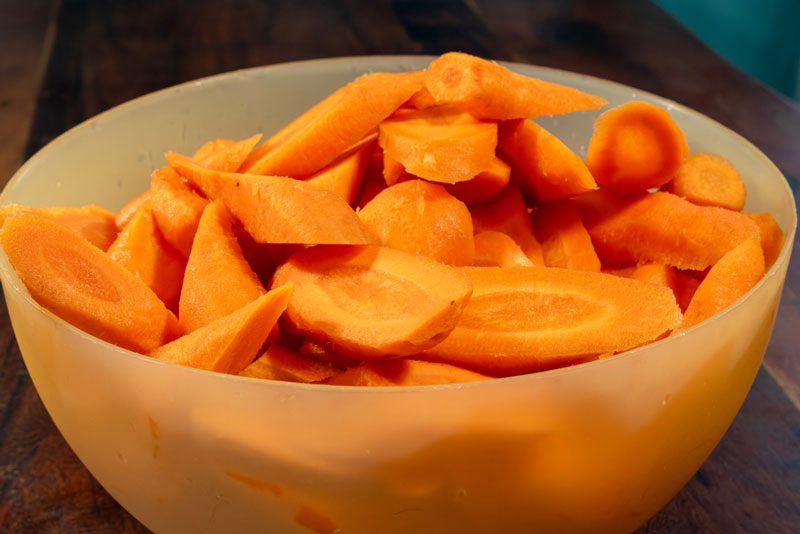
As we’ve mentioned, cats can indeed eat raw carrots. Cats are obligate carnivores, which means their diet primarily consists of animal products, but they can occasionally nibble on plant matter for added nutrients. Raw carrots are generally safe for our whiskered friends and can be offered as a crunchy snack. When feeding cats raw carrots, it’s essential to slice them into small, manageable pieces to prevent choking.
Carrots are packed with vitamins such as vitamin A, which can benefit your cat’s eyesight, skin, and immune system. Raw carrots also contain fiber that can help with digestion and support a healthy gut. However, be aware that while a little carrot here and there is fine, it should never replace their primary diet of high-quality cat food.
Most cats may not show an interest in veggies, and that’s perfectly fine! If your cat turns its nose up at carrot slices, there are countless other treats available on the market catered to feline taste buds that they might enjoy much more.
In the next sections, we will talk about how much you can give your cat, the benefits they offer, possible risks, and some alternatives if carrots don’t make the cut. Let’s keep learning about the crunchy and colorful world of cat treats!
How Much Raw Carrots Can Cats Eat?
When it comes to portion size, moderation is essential. Since cats are not primarily herbivores, raw carrots should not make up a significant part of their diet. Instead, think of them as a special treat. A few small slices, about the size of a pea, is usually enough to give your cat a taste without overwhelming their system.
You can introduce raw carrots in small amounts, maybe once or twice a week. If your cat enjoys it and doesn’t have any adverse reactions, you might consider offering a little more, but always remember to keep it minimal. The goal is to avoid any digestive issues that could arise from feeding them something that they aren’t used to consuming.
Always consult your veterinarian if you have concerns about your cat’s diet with even small changes. They can guide you on the best way to incorporate new foods safely. It’s important that if your cat has any underlying health conditions, such as sensitive stomachs or allergies, raw carrots might not be the best option.
We must also observe our cat’s response to carrots. If they seem to enjoy them and can safely chew them without difficulty, then it can be a delightful addition to their diet. Just keep in mind that our feline friends have unique dietary requirements, and we want to ensure their overall well-being while they crunch on those veggies!
Benefits Of Raw Carrots To Cats
1. Nutritional Value: Carrots are rich in vitamins and minerals like vitamin A, beta carotene, and potassium. These nutrients can help support your cat’s vision, immune system, and overall health. Vitamin A is especially known for its importance in maintaining good eyesight and keeping the skin and coat healthy.
2. Fiber Content: The fiber in raw carrots can assist in digestion, helping to prevent constipation. While cats primarily thrive on animal protein, a little bit of fiber can help keep their digestive system working smoothly. We know that even our feline friends can experience occasional tummy troubles, so adding a small amount of fiber like carrots can be beneficial.
3. Low Calorie Treat: Carrots are a low-calorie snack compared to many other treats available on the market. If our cats whole-heartedly indulge themselves in too many high-calorie snacks, it can lead to weight gain and other health problems. Raw carrots are guilt-free—a munchy option that can keep their weight in check.
4. Exploratory Behavior: Offering new foods like raw carrots can promote curiosity and playfulness in our cats. Watching them interact with food, smelling it, and even batting it around can be fun and enriching for both them and us! You might find your cat playing with a carrot slice like it’s a little toy, which entertains us both.
5. Enrichment: Adding variety to our pet’s diet can enhance their overall happiness and engagement, breaking up the monotony of their regular meals. Carrots can add a different texture and taste, giving them an opportunity to explore their food options. This exploration can keep their interest high, promoting excitement during mealtime.
Dangers Of Feeding Raw Carrots To Cats
Even though raw carrots are safe for cats in moderation, there are some risks we need to keep in mind.
One significant consideration is choking hazards. Cats can be pretty curious, and if we give them larger pieces of carrot, they may struggle to chew and swallow them. To avoid this, make sure you cut the carrots into small, manageable pieces. Always supervise your cat when introducing any new treats, and watch for any signs of distress.
Another potential risk is upset stomach or diarrhea. Sudden dietary changes can cause gastrointestinal disturbances in felines. If we observe that our cat seems to feel unwell or shows signs of distress after eating carrots, we need to limit or avoid giving carrots in the future.
Some cats also have allergies to certain foods, including vegetables. If our furries show adverse reactions, such as vomiting or itching, it’s crucial to discontinue giving them carrots—or any new ingredient—and consult our veterinarian if symptoms persist.
Also, let’s not forget that while we adore the concept of sharing human food with our pets, certain foods can be harmful. Always adhere to a cat-friendly diet and avoid feeding them other foods that may seem innocent, like grapes or onions, which can be dangerous for them.
In conclusion, while raw carrots can provide benefits for our cats in small amounts, we must remain vigilant about their diet and well-being. Understanding the potential downsides can help us keep our cats happy and healthy.
Substitute Of Raw Carrots For Cats
1. Cooked Carrots: If your cat seems curious about carrots but doesn’t like them raw, cooking them might pique their interest! Cooking can soften the texture, making it easier for them to chew. It also enhances the flavor, making it more appealing to their palate. Just remember to avoid any seasoning or spices, as these can be harmful.
2. Peas: These little green gems are another vegetable that many cats enjoy. Peas are packed with nutrients and can provide a crunchy texture that resembles carrots. Plus, they are as easy to prepare by simply steaming or offering them plain, and kitties generally love them!
3. Green Beans: This crunchy veggie is often well-received by cats. Green beans are low in calories and provide some fiber, just like carrots. You can offer them cooked or even raw in small pieces, ensuring they are safe and manageable for your feline friend.
4. Cucumber: Many cats are intrigued by this refreshing vegetable. Cucumber slices can be crunchy and hydrating, making for an enticing snack. The crunchiness can stimulate their natural hunting instincts as they bat them around or enjoy nibbling on the pieces.
5. Pumpkin: Cooked pumpkin is not only healthy—it’s also often loved by kitties. It can provide similar fiber benefits, make tummy troubles feel better, and is usually enjoyed by our furry companions. You can introduce plain canned pumpkin (ensure it’s unsweetened) or freshly cooked pumpkin, and your cat may appreciate the difference in texture and taste.
Can Cats Eat Raw Carrots? Frequently Asked Questions
Can Cooked Carrots Be Better For Cats Than Raw Carrots?
Some cats might prefer the taste and texture of cooked carrots. Cooking carrots can soften them, making them easier to chew and digest. Just remember to serve them plain without any seasonings!
My Cat Doesn’t Seem To Like Carrots. Is That Okay?
Absolutely! Cats are individuals, and some may not show interest in veggies at all. Focus on offering a balanced diet primarily consisting of high-quality cat food and healthy treats they enjoy.
Can Cats Eat Other Vegetables Besides Carrots?
Yes! Many cats can safely enjoy various veggies like peas, green beans, and cucumber. These can provide different textures and flavors for their enrichment. Just like with carrots, keep it in moderation and monitor their reactions.
Should I Be Worried If My Cat Eats A Lot Of Carrots?
If your cat eats a large number of carrots and seems to be having digestive issues or discomfort, it’s best to consult with your veterinarian. Too many veggies can upset their stomach and lead to diarrhea.
Are There Any Vegetables My Cat Should Completely Avoid?
Yes! Certain vegetables, like onions, garlic, tomatoes, and mushrooms, can be toxic to cats. Always do your research before introducing new foods and keep these harmful ones away from your pets!
Final Thoughts
In conclusion, cats can eat raw carrots in moderation. While it may not be a staple of their diet, these vegetables can offer some nutritional benefits and act as a fun treat. However, we must always prioritize our cats’ well-being by monitoring their reactions and sticking to small portions.
If they prefer to ignore veggies altogether, that’s okay too! Our pets have unique tastes, and ensuring they enjoy what they eat is what counts. We can explore delightful alternatives together which can encourage a healthy, balanced diet. Consider added variety with options like peas or pumpkin, which may tickle their fancy.
If you’re looking for more tips on your cat’s diet, feel free to check out some other fascinating topics on our blog. Knowledge is key to keeping our furry companions happy and healthy! We aim to provide a delightful environment for our pets to thrive in. So let’s keep discovering the best ways to care for them!