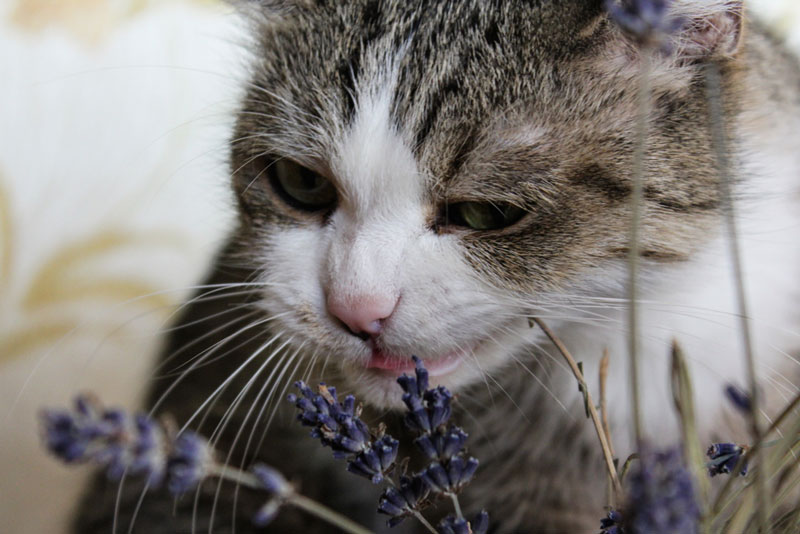
Have you ever wondered if your curious feline friend can enjoy the delightful scent of lavender? Well, let’s get straight to the point: cats should not eat lavender. While this fragrant herb may be loved by many humans, it can pose potential risks if ingested by our furry pals. It’s important to prioritize our pets’ health, and understanding what they can and cannot eat is key to keeping them safe and happy.
Lavender is often celebrated for its calming properties, both for humans and in holistic pet care practices. However, it is essential to remember that what may benefit us can sometimes be problematic for our pets. The good news is that there are plenty of safe alternatives we can explore and enjoy alongside our furry companions.
Hang tight as we dive deeper into the details about lavender and cats. Understanding the potential risks and benefits can empower us to make informed choices for our beloved pets. So let’s continue to learn together and see what we need to keep our cats safe and happy while still enjoying all the beauty and charm of lavender in our lives!
You might also be interested in: Can Cats Eat Rose Petals?
Can Cats Eat Lavender?
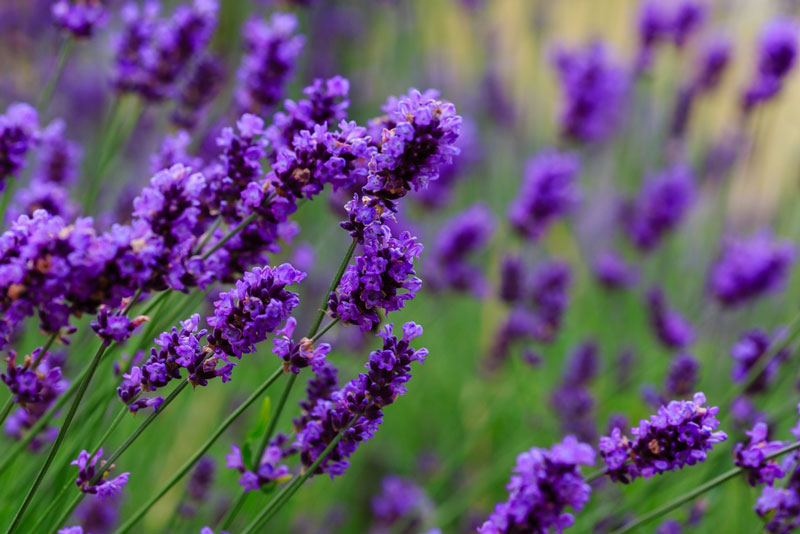
When it comes to our furry companions, understanding their dietary needs is crucial. Cats are obligate carnivores, meaning they primarily require meat to thrive. So, why do we even question if they can eat lavender? The truth is that many of us love adding lavender to our homes for its calming scent and vibrant color. The confusion arises from its popularity. But just because something is beneficial for us doesn’t mean it is safe for our pets.
Lavender belongs to the mint family and contains compounds that can be harmful if ingested by cats. It can cause gastrointestinal upset, vomiting, and even more serious symptoms if a significant amount is consumed. The primary ingredients in lavender that can affect cats include linalool and linalyl acetate. While these compounds can promote relaxation for humans, they are known to be toxic to our feline friends.
How Much Lavender Can Cats Eat?
Understanding how much lavender can be an issue for cats is quite simple; the answer is none! It’s best not to give your cat any amounts of lavender, whether fresh, dried, or as essential oil. Even in small quantities, lavender can lead to health complications due to its toxic properties. We might be tempted to tuck a few sprigs of lavender into our home or use it in sachets, but we must keep our little furballs away from them.
If your cat accidentally nibbles on a leaf of lavender, there’s a chance they may experience some mild digestive upset. Common symptoms might include drooling, vomiting, or an upset stomach. In the rare case that a cat eats a more substantial quantity, it could lead to lethargy, tremors, or more severe reactions. If you notice any of these symptoms after your cat has consumed lavender, don’t hesitate to contact your vet for advice.
In certain cases, lavender oil can be even more dangerous than the plant itself. Essential oils are highly concentrated and can have even more toxic effects on our pets. Always keep essential oils, especially lavender, far out of reach from your curious cat to prevent any accidents. Remember, when it comes to our furry friends, it’s better to be safe than sorry!
Always keep an eye on what your cats are getting into. Inspect your home for any lavender plants or products that may pose a risk and consider removing them altogether. Our cats rely on us for their safety, and keeping their environment free from harmful items is one of the most loving things we can do.
Benefits Of Lavender To Cats
1. While lavender may be commonly known for its soothing properties for humans, when it comes to cats, there are very few, if any, benefits to consider. Instead, we should explore other herbs and plants that provide a positive impact on our furry friends. Understanding this will lead us on a path to help our cats thrive.
2. Cats often benefit from a safe and enriching environment. Instead of lavender, we can incorporate cat-safe plants like catnip or cat grass that will stimulate their curiosity and provide benefits without harmful effects. Catnip, for example, can induce a playful and euphoric reaction in many felines and is perfectly safe for them.
3. Lavender may possess calming qualities for humans, making it suitable for certain relaxation techniques. However, our feline friends find comfort in their own ways. Providing your cat with a cozy and safe space, filled with their favorite toys and blankets, is a great way to help them relax without relying on potentially harmful plants.
4. Creating a cat-friendly environment that prioritizes their needs while keeping harmful ingredients away is beneficial for their overall well-being. Utilizing safe toys, scratching posts, and feline-friendly plants will enhance their comfort without any risks involved. Trust me, their happiness will shine through their purring!
5. Understanding the unique needs of our cats allows us to make informed decisions about their care. While lavender can be aesthetically pleasing, it is not a part of a healthy diet or lifestyle. By focusing on safe alternatives, we can create a nurturing environment filled with joy, love, and safety for our beloved cats.
Dangers Of Feeding Lavender To Cats
Lavender has some fantastic properties for humans but can present real dangers for our furry friends. When consumed, even small amounts can lead to digestive upset, like vomiting and diarrhea. These symptoms are never fun for our pets and can lead to more serious conditions requiring veterinary care.
If a cat eats lavender, they might exhibit signs of discomfort. This includes drooling, loss of appetite, and abdominal pain. In severe cases, symptoms can escalate to depression, tremors, and difficulty breathing. If you ever suspect your cat has ingested lavender, it’s crucial to seek veterinary help right away. They can provide the care your pet needs to recover.
Aside from ingestion, we should avoid exposing our furry friends to lavender essential oils. These potent oils contain high concentrations of linalool and linalyl acetate, which can be harmful when absorbed through the skin or inhaled. Cats have sensitive respiratory systems, and exposure to essential oils can lead to respiratory distress, lethargy, and other health complications.
We need to recognize that, despite its lovely scent and holistic reputation among humans, lavender doesn’t belong in our cats’ diets. We all want the best for our furry companions, which is why understanding the risks is important in our decision-making. Let’s create a safe environment where they can thrive, exploring healthy alternatives, and avoiding harmful plants like lavender.
Being proactive in keeping harmful items away from our pets can truly make a difference in their overall well-being. Celebrate their uniqueness and embrace a safety-first approach to caring for them. We owe it to our cats to maximize their comfort while minimizing their risks. Let’s work on creating a happy and healthy environment for them!
Substitute Of Lavender For Cats
1. Catnip or Valerian Root: Understandably, we may want to enjoy the wonderful aspects of lavender without putting our cats at risk. We can use cat-safe herbs like catnip or valerian root to create an enjoyable atmosphere for our pets. Catnip is a popular herb that many cats adore, providing playful and happy moments without any adverse effects.
2. Chamomile or Peppermint: If soothing scents are what we seek, we can consider safe alternatives like chamomile or peppermint. Chamomile is known for its calming properties and can be used in moderation around cats without posing significant risks. Peppermint can be invigorating and refreshing but should be given sparingly.
3. Cat Grass: A cozy environment can incorporate fresh cat grass for our feline friends to enjoy. This safe green snack can be found in pet stores and will provide the crunch and flavor they crave, while also aiding digestion and promoting good health.
4. Cat Toys: We can also consider creating DIY cat toys or comforting sachets filled with faux lavender or lavender-scented fabric that doesn’t contain actual lavender. This way, we can enjoy the aesthetic while keeping our furry friends away from harm. I mean, who doesn’t love a bit of creativity, right?
5. Recommended Herbs: Lastly, always rely on your veterinarian for recommendations on herbs and plants suitable for your cat! They have the best knowledge to guide you through the maze of pet safety while ensuring a vibrant, playful life for your furry friend.
Can Cats Eat Lavender? Frequently Asked Questions
Is Lavender Safe For Other Pets?
While lavender is harmful to cats, it’s essential to remember that it can also be dangerous for other pets, like dogs. It’s best to keep lavender away from all pets to ensure their safety.
What Are Safe Plants For Cats?
Some cat-friendly plants include catnip, cat grass, and spider plants. These plants can offer safe entertainment and enjoyment for your feline companions. Always research any new plant before introducing it to your home!
Can I use lavender essential oil around my cat?
It’s best to avoid using lavender essential oil around your cat, as they can be sensitive to the concentrated oils. Opt for pet-safe alternatives to keep your cat safe.
How Can I Calm My Cat Instead Of Using Lavender?
Consider other methods for calming your cat, such as providing a comforting environment, engaging in playtime, and giving them time for relaxation and rest.
What Should I Do If My Cat Eats Lavender?
If you suspect your cat has ingested lavender, contact your veterinarian immediately. They can provide proper guidance and care for your pet.
Final Thoughts
As cat owners, we hold the responsibility of ensuring our furry companions are safe and sound. While lavender may be a beautiful addition to our homes, it poses a threat to our feline friends. Instead of offering lavender, let’s explore safe plants and alternatives that create happiness and well-being for our cats.
By fostering a sense of safety and enrichment, we empower our pets to thrive in ways that bring joy and companionship to our lives. So let’s continue learning together and make informed choices for our beloved felines!
And while we’re at it, if you want to explore more topics related to pet care, check out some interesting articles like Pet Care Blog, Can Cats Eat Dandelions?, and Can Cats Eat Sunflowers?.