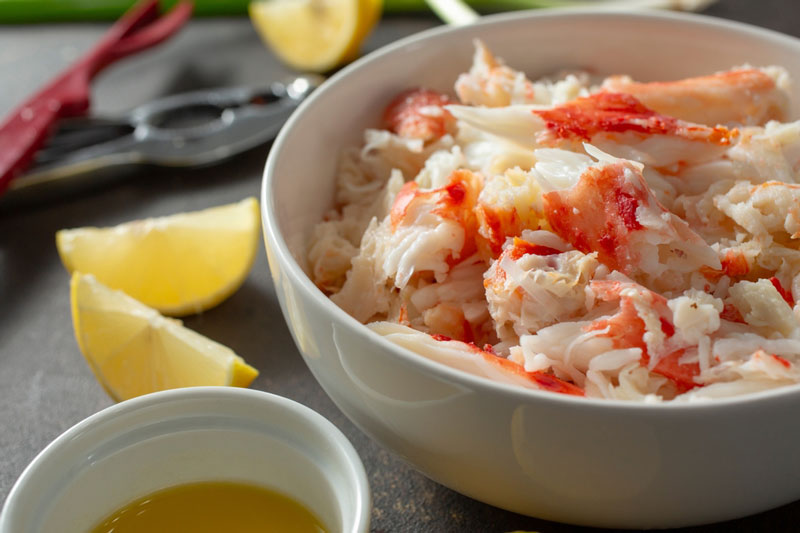
Are you a cat owner who wonders if your furry friend can munch on crab meat? Well, the answer is a resounding yes, cats can eat crab meat—joyful little cretins that they are! Cats are carnivores by nature, and cracking open some shellfish to treat them might sound tempting. But hang on; there’s more to it! While crab meat can be safe for our kitty companions, it’s essential to consider a few factors before we toss that seafood onto their plate.
It’s quite a delight to watch our cats indulge in new flavors and textures, and crab might pique their interest for sure! But as pet lovers and responsible caregivers, it’s our job to understand the ins and outs of what makes our feline pals tick. So, if you are curious about the safety and dietary aspects of crab meat for cats, keep reading! We are about to plunge into an ocean of information that will help you decide whether to share your seafood feast with your whiskered buddy!
You might also be interested in: Can Cats Eat Shrimp Tails?
Can Cats Eat Crab Meat?
Crab meat is a tasty treat, and it’s known for its distinct flavor and texture. When it comes to feline diets, crab meat can be a delightful addition, provided you adhere to certain guidelines. Cats are obligate carnivores, meaning they primarily need meat to thrive. Crab meat offers high-quality protein, which is vital for building strong muscles, supporting healthy organs, and providing energy.
Crabs are crustaceans, and they’re rich in nutrients like omega-3 fatty acids, vitamins, and minerals. While many cats might enjoy the taste of crab meat, we must ensure it’s served in a way that benefits their health. Ideal serving options include cooked, plain crab meat without any additives or spices. Raw seafood can be a risk for our cats because it might harbor harmful bacteria or parasites.
Therefore, the answer to whether cats can eat crab meat lies in moderation and proper preparation. When served correctly, crab meat can serve as an enticing treat. Some owners may worry about potential allergens or digestive issues. While many cats will enjoy crab without issues, it’s always wise to introduce new foods gradually and monitor for any adverse reactions like upset stomach or allergies.
How Much Crab Meat Can Cats Eat?
How much crab meat is suitable for our feline friends? When considering how much to serve, moderation is our closest ally. Crab meat should be treated as an occasional treat rather than a staple of their diet. Too much of anything can lead to digestive problems or nutritional imbalances.
As a general rule of thumb, we recommend serving a small portion of crab meat, around one to two tablespoons, depending on the size of your cat. If your cat is smaller, err on the lower end. You can offer crab once or twice a week as a special snack. We should refrain from making it a daily feast—after all, variety is key! Cats also need a balanced diet that consists predominantly of their regular cat food, which is formulated to meet all their nutritional needs.
It’s crucial to keep an eye on your kitty when introducing new foods. Watching for any signs of discomfort or unusual reactions can protect their health. If your cat enjoys crab meat, that’s fantastic! Just combine it with other enjoyable snacks occasionally, like a little mashed sweet potato or some plain cooked chicken. Always ensure that they are getting their required nutrients from their primary cat food while keeping crab as a fun side dish!
Remember, our furry pals may have their own preferences. If your cat snubs their nose at crab meat, don’t be disheartened. Some cats may have unique tastes, but we can always try something else. Understanding our pets’ needs will help us keep them healthy and happy!
Benefits Of Crab Meat To Cats
1. High-Quality Protein: One of the primary benefits of crab meat is that it’s packed with high-quality protein, which is essential for our cats. Protein plays a critical role in their development, muscle support, and overall energy levels. Having a protein-rich treat like crab occasionally helps to ensure that our kitties remain strong and active!
2. Omega-3 Fatty Acids: Crab meat contains omega-3 fatty acids, which are known to support skin and coat health. Omega-3s can help keep your cat’s fur shiny and reduce issues with dry skin. Plus, the healthy fats found in crab meat can support brain health. Isn’t it great to know that crab meat can be a yummy way for our cats to receive beneficial nutrients?
3. Flavor Variety: Cats, just like us, can enjoy a variety of flavors! Offering crab as an occasional treat can help break the monotony of their usual meals. Our cats can experience new tastes, making mealtime exciting and engaging. Plus, who can resist the sight of a delighted cat nibbling on a tasty treat?
4. Nutrient Boost: Along with protein and omega-3 fats, crab meat is also filled with vitamins and minerals such as Vitamin B12, selenium, and zinc. These nutrients contribute to a healthier immune system and support overall well-being in our feline companions. By receiving these essential nutrients through treats, we can give our cats the boost they need in a fun way!
5. Encouragement of Natural Hunting Instincts: Feeding your cat crab meat can even encourage them to engage with their natural hunting instincts! Cats are natural hunters, and the act of tearing apart the meat with their paws is similar to how they would handle prey in the wild. As they engage with their food, they fulfill some of their innate behaviors. It can be quite entertaining for us to watch them, too!
Dangers Of Feeding Crab Meat To Cats
Even though crab meat can be a tasty treat, there are some risks we should be aware of. Safety is our top priority! First off, as we mentioned, raw crab can carry harmful bacteria or parasites that could upset our kitty’s tummy. To avoid any nasty surprises, make sure the crab is properly cooked!
Secondly, crab meat is a bit high in sodium. While a little salt is okay in moderation, an excess can lead to problems like dehydration or increased thirst. So, we should refrain from offering processed crab meat or any crab dishes that contain added salt or spices. Always opt for plain crab meat!
Another risk involves allergies. Although allergic reactions to crab are relatively uncommon, some cats can be sensitive to shellfish. If it’s your cat’s first crab experience, start with a small portion and monitor them closely. If they exhibit any signs of an allergic reaction like vomiting, diarrhea, or itching, it’s time to consult your vet.
Lastly, it’s essential to keep in mind that crab should not become a significant portion of your cat’s diet. Feeding them too much crab, even if it’s safe, could lead to an imbalanced diet. As with any treat, crab meat should remain an occasional indulgence, not a dietary staple! Keeping the culinary adventures exciting while ensuring health is our ultimate goal!
Substitute Of Crab Meat For Cats
1. Chicken: Chicken is a fantastic alternative to crab meat. Many cats love the taste and it provides ample protein too. Offering cooked, unseasoned chicken as a treat can make your cat feel special. Just be cautious and ensure it’s well-prepared without any harmful additives!
2. Fish: Fish such as salmon or tuna can also be a great substitute for crab meat. Most cats love fish, and it delivers healthy fats along with lots of flavor. Remember to feed fish in moderation and avoid any processed versions which may contain high sodium levels.
3. Turkey: Just like chicken, turkey is another poultry option that our cats might adore! Cooked and unseasoned turkey can be a delicious treat for them, bringing a burst of flavor without overwhelming their delicate digestive system.
4. Beef: To offer more variety, cooked beef can be another great protein source for our cats! Just like other options, ensure that it’s cooked thoroughly and free from seasoning. Some cats may show a preference for beef over chicken or fish, so it’s worth a try!
5. Commercial Cat Treats: If you’re hesitant about preparing different kinds of meat, commercial cat treats are always an option. Many brands produce tasty seafood-flavored treats that mimic the goodness of crab. While it’s not the same, they offer a safe and balanced alternative for our kitties!
Can Cats Eat Crab Meat? Frequently Asked Questions
Can Crab Meat Replace My Cat’s Regular Food?
Crab meat should never replace your cat’s regular food. It can serve as an occasional treat but lacks the complete nutrition your cat needs daily. Ensure that their main meals come from specially formulated cat food!
Is Crab Meat Toxic To Cats?
No, crab meat is not toxic to cats when it’s cooked and served appropriately. However, ensure you avoid raw or processed crab that contains harmful ingredients or additives.
How Can I Prepare Crab Meat For My Cat?
The best way to prepare crab meat for our cats is to cook it thoroughly, remove the shells, and serve it plain. It’s important to avoid any seasoning or additions that could be harmful to our furry friends!
What Are The Signs Of A Crab Allergy In Cats?
Signs of a crab allergy in cats may include vomiting, diarrhea, itching, or other unusual behaviors. If you notice any of these symptoms after introducing crab meat, stop feeding it immediately and contact your vet.
How Often Can I Give Crab Meat To My Cat?
We can give our cats crab meat as a treat once or twice a week. Moderation is key! It should not be a regular part of their diet.
Final Thoughts
In conclusion, we have the opportunity to treat our feline companions to the delightful taste of crab meat. While it can be enjoyed safely, we do need to keep in mind the importance of moderation, monitoring for any possible reactions, and ensuring it does not replace their main meals. With the right approach, crab meat can add excitement to our cats’ diets and allow them to savor the joys of seafood.
If you’re curious about other pet-related topics, check out more on our blog. You might also want to see if cats can eat imitation crab. Keeping our pets healthy and happy through knowledge and care is what it’s all about!