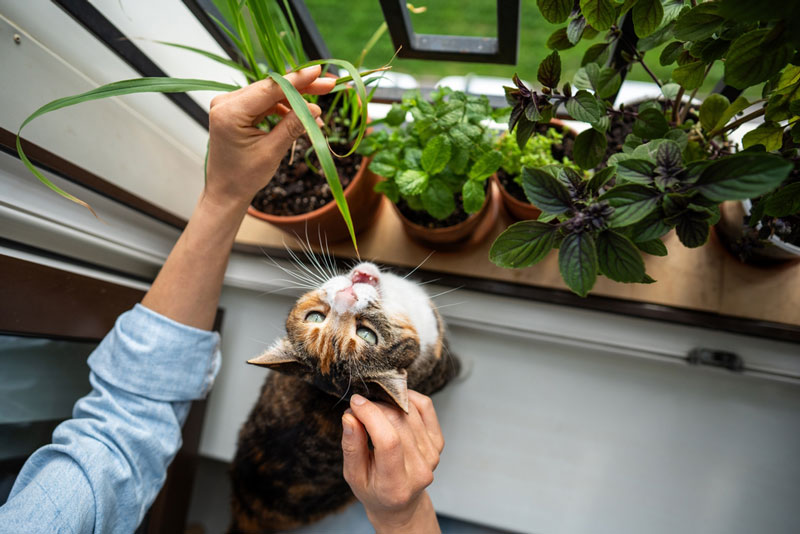
Have you ever wondered if your feline friend can munch on lemongrass? Well, the short answer is yes, cats can eat lemongrass! But before you toss some into your cat’s food bowl, it’s essential to know that moderation is key, and not every plant is suitable for our furry companions.
As a delightful herb known for its citrusy aroma, lemongrass can pique a cat’s interest. This aromatic plant is popular in not just cooking, but also for its potential benefits. However, that does not mean it’s a free-for-all snack! We need to take a closer look to ensure our whiskered pals stay safe while possibly enjoying this herb.
So, if you’re curious about how much lemongrass cats can eat, what benefits it may offer, or the risks involved, keep reading! We’re going to cover everything you need to know about lemongrass and your cat!
You might also be interested in: Can Cats Eat Cat Grass?
Can Cats Eat Lemongrass?

Lemongrass is a tall, perennial grass, and it’s often used in culinary dishes, especially in Asian cuisine. While it’s known for its zesty flavor and unique aroma, we must focus on whether it’s safe for our cats. Thankfully, lemongrass is non-toxic to cats! This means that if your cat samples some lemongrass, it usually won’t cause serious harm. However, just because it’s safe doesn’t mean it should be a staple in their diet.
Cats are obligate carnivores, which means they have specific dietary needs centered around meats. Their digestive system isn’t designed to process large amounts of plant material. If your cat nibbles on lemongrass occasionally, it could pique their curiosity, but excessive consumption might lead to some unfortunate tummy troubles like vomiting or diarrhea.
It’s also interesting to note that lemongrass doesn’t have the same addictive effects as catnip. So while your kitty might be intrigued, it won’t have that euphoric reaction like rolling around in catnip would elicit. It’s always best to introduce new foods in moderation and monitor your cat for any reactions.
How Much Lemongrass Can Cats Eat?
When it comes to a cat’s diet, how much is too much? With lemongrass, moderation is key. A few pieces of lemongrass here and there can be alright, but we generally recommend keeping the intake limited. A cat’s system can react differently than ours, and too much of anything, even something deemed safe, can lead to an upset stomach.
You might be wondering about specific amounts. If your cat shows interest in lemongrass, you can cut a small stem into tiny pieces—like, smaller than your pinky nail! This ensures they can explore the new flavor without overindulging. If your cat decides to give it a taste, just remember to keep an eye on them. Cats have individual tolerances, and what may be fine for one cat could upset another’s stomach.
Always offer lemongrass with caution and avoid making it a centerpiece of their meals. Treat it more like an herb used in seasoning your own meals rather than a regular menu item for your furry buddy!
Also, remember that if your cat has shown signs of allergies or sensitivities to other plants, consult your vet before offering any new herbal treats. They will know your feline’s history and help you make the best choice. And for goodness’ sake, make sure to check that your lemongrass is chemical-free! We want to keep our kitty pals safe and healthy!
Benefits Of Lemongrass To Cats
1. Natural Scent: One of the principal benefits of lemongrass is its natural scent. Many cats are attracted to the fresh aroma of lemongrass. While this doesn’t provide the euphoric reaction that catnip does, the pleasant smell can stimulate their senses. So, while they might not be rolling on the floor in a tizzy, it could spark curiosity that allows for some playful behavior.
2. Help with Indigestion: Lemongrass has been known to help with indigestion in humans, and while we haven’t extensively studied this on cats, there is a chance it might assist in easing some tummy troubles. If your cat occasionally has gas or mild discomfort, a small taste of lemongrass might help to soothe their digestion.
3. Antimicrobial Properties: This herb is also known for its antimicrobial properties. While this has not been thoroughly researched in cats specifically, the antimicrobial qualities in lemongrass could support overall health by helping fight off minor infections. Keeping your kitty healthy? Yes, please!
4. Antioxidants: Lemongrass is packed with antioxidants. Though cats mainly require nutrients from animal sources, small amounts of antioxidants can be beneficial in supporting their immune health. It could be a great addition to your small garden if you’re growing herbs for your cooking, as it might encourage your kitty’s immune system to stay strong, while tasting fresh!
5. Hydration: Finally, let’s talk about hydration. Cats are notorious for not drinking enough water, and lemongrass has a high water content. If your cat is nibbling on it, it could contribute to their hydration. Ensuring your furry friend is well-hydrated is one of the best ways to support their health, so every little bit helps!
Dangers Of Feeding Lemongrass To Cats
While lemongrass is not toxic to cats, there are some risks and dangers to consider. First and foremost, as with any new food, introducing lemongrass can induce some uncomfortable side effects. Some cats may have sensitive stomachs and could react negatively to the grass. This could range from mild irritation to more serious digestive issues, such as vomiting or diarrhea.
Another consideration is that lemongrass essential oil can be toxic to cats. If you have lemongrass in oil form, avoid using it around your kitty. Cats are more sensitive to essential oils, and ingestion or skin contact could lead to toxicity. So, that nice bottle of lemongrass oil in your kitchen cupboard? It’s best kept away from those curious whiskers!
It’s also worth noting that some cats might not appreciate the taste of lemongrass. If your feline friend gives it a sniff and walks away like they just tasted broccoli, it’s okay! Every cat has their preferences, just like we do! But forcing your furbaby to try it might not be the best idea, as they could react in ways we wouldn’t want to deal with (think exorcist-style vomiting!).
Finally, if your cat gets into your potted lemongrass plant, make sure it is pesticide-free and not treated with any harmful chemicals. Updating your home with organic plants is not only great for plant lovers but also for our furry friends! If you’re ever unsure, consult your vet before adding new items to your cat’s menu.
Substitute Of Lemongrass For Cats
1. Catnip: If you’re looking for herb substitutes that are safe for cats, consider catnip! It carries a similar scent profile and has interesting effects on our cats. Many felines respond to catnip with energetic playfulness, making it a delightful herbal option!
2. Cat grass: which can be made from various grasses such as wheat or oats, is another excellent alternative. Growing it at home is easy, and the addition of cat grass into their diet can help improve digestion while being super fun to munch on!
3. Spider Plant: This is also a friendly option for our curious kitties. Not only is this plant safe for cats, but it can sometimes attract their interest due to its leaves. Just like lemongrass, it sparks joy and curiosity and is harmless to your pet!
4. Parsley: This is another herb that poses minimal risks to our furry friends. In small amounts, parsley can be safe, and it has additional health benefits, such as being rich in vitamins and nutrients that your cat might appreciate!
5. Peppermint: Lastly, mint is a delightful option. Cats often enjoy the fresh scent, and some types of mint can also offer benefits to digestion. Just like lemongrass, it’s important to give mint in moderation and not all mint varieties are safe. Peppermint, for instance, can be harmful to cats, so check with your vet!
Can Cats Eat Lemongrass? Frequently Asked Questions
What Should I Do If My Cat Ate Too Much Lemongrass?
If your cat accidentally ate a large amount of lemongrass and begins to show signs of distress, such as vomiting, diarrhea, drooling, or lethargy, it’s best to consult your veterinarian. They can provide assistance and guidance to help your little friend out.
Can Lemongrass Be Harmful In Other Forms?
Yes! While the grass itself is generally safe, lemongrass essential oil is too concentrated for cats and can cause toxicity. Keep essential oils away from their reach, and always opt for plant forms if you decide to share them.
How Can I Tell If My Cat Has An Allergy?
Signs of an allergy in cats can include excessive itching, red skin, sneezing, or gastrointestinal issues. If you notice any of these behaviors after introducing lemongrass, stop offering it and consult your veterinarian right away.
Is Lemongrass Safe For All Cats?
Most cats can eat small amounts of lemongrass, but some may have sensitivities or allergies. Always watch your cat after trying a new snack, and if they react poorly, discontinue use.
What Alternatives Can I Grow For My Cat?
Herbs like catnip, cat grass made from wheat or oats, and even safe houseplants can be great alternatives. It’s fun to have a little indoor garden for your cat to enjoy in moderation!
Final Thoughts
As we wrap up our exploration on whether cats can eat lemongrass, it’s important to keep in mind both the potential benefits and the considerations that come with it. While lemongrass is generally safe, it should be offered in moderation to avoid any tummy troubles.
Let’s take a moment to think about how precious our feline companions are. They bring so much joy into our lives, and learning how to take care of them means ensuring they’re happy and healthy. So whether you’re considering introducing lemongrass or exploring other tasty options for your furry friend, always opt for what’s best for their individual needs!
We hope you enjoyed this article and learned something new! If you’re curious about what else our pets can or cannot eat, why not check out other topics like our blog, or learn about cats and wheat grass? There’s a lot more to discover about our furry friends!