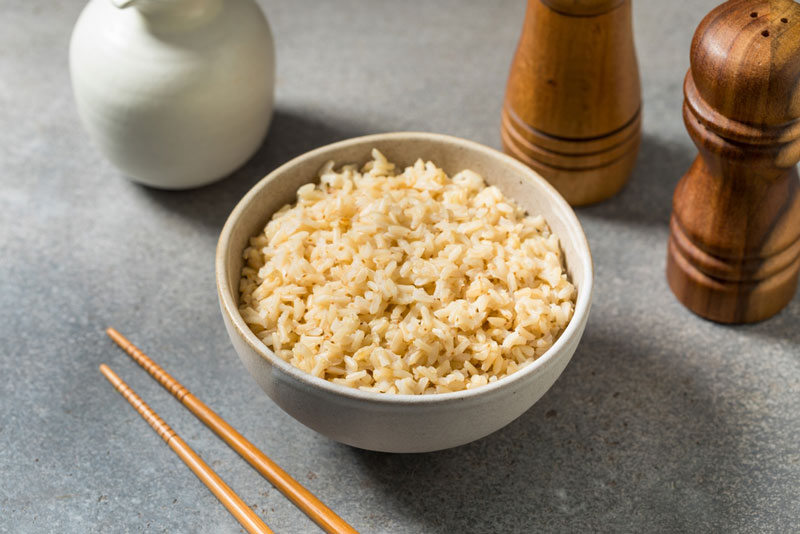
Can cats eat brown rice? If you have been wondering about this question, you will be delighted to know that brown rice is indeed safe for cats to consume in moderation! This whole grain can offer some nutritional benefits, but it’s important to remember that cats are obligate carnivores. This means their bodies are designed to thrive on animal protein rather than grains. So while a little bit of brown rice won’t hurt them, it shouldn’t become a staple in their diet.
As we explore this topic, we will uncover the potential benefits and risks of letting our feline friends nibble on brown rice. It’s fascinating to realize how even a simple question like this can lead to a richer understanding of our pet’s dietary needs. So whether you’re curious for your own cat or simply love to learn more about pet care, continue reading. We will unravel all the juicy details about brown rice and its place in a cat’s diet.
As we embark on this exploration together, let us learn more about how brown rice fits into the lives of our furry companions. Trust me, you will want to stick around for all the valuable information we have in store!
You might also be interested in: Can Cats Eat Refried Beans?
Can Cats Eat Brown Rice?

Absolutely! Cats can eat brown rice, and it is generally safe in small amounts. Brown rice is a whole grain that is less processed than white rice, and it retains more of its natural nutrients. It can be a source of carbohydrates and can provide some fiber that may aid in digestion. However, it is crucial to remember that cats are primarily meat-eaters, and their bodies are designed to get most of their energy from protein rather than carbohydrates. Brown rice can act as an occasional treat or a supplement but should not be a main component of a cat’s diet.
If your cat does eat brown rice, it is essential to monitor them for any signs of digestive upset, such as diarrhea or vomiting. Some cats may have sensitivities to grains, while others might love the taste and texture. If you’re introducing brown rice to your cat’s diet, start with a tiny amount and watch how they react. If your cat enjoys it without any negative side effects, you might occasionally offer more. Remember, variety is key in offering balanced nutrition! Let’s get into the nitty-gritty and see how much brown rice might be suitable for our feline friends.
How Much Brown Rice Can Cats Eat?
When it comes to how much brown rice a cat can eat, moderation is the name of the game. Brown rice should only make up a small portion of your cat’s overall diet. If we want to be precise, it’s best to limit brown rice to around 10 percent of their daily calorie intake. So, if your cat eats around 200 calories a day, that means about 20 calories could come from brown rice. In practical terms, that’s just a spoonful or two mixed with their regular food. A complete and balanced diet for cats typically includes high-quality protein sources and essential nutrients that they need to thrive.
When preparing the brown rice, make sure it is cooked well without any added seasonings, oils, or spices, as these can be harmful to our furry friends. Just plain boiled brown rice will do! You can offer it as a treat or mix it with their regular cat food to make mealtime a little more interesting. And let’s be honest; who doesn’t love a little variety in their meals, right?
Before incorporating brown rice into your pet’s diet, consider consulting with your veterinarian. They can help assess your cat’s specific dietary needs, especially if they have health concerns or are on a special diet. Every cat is unique, so the requirements can vary from one feline to another. Keeping an open line of communication with your vet is crucial to ensure our pets are happy and healthy!
In conclusion, while brown rice can be safe and added in small amounts, it should not replace the essential nutrients obtained from animal sources. Let us rejoice in finding the right balance for our beloved cats!
Benefits Of Brown Rice To Cats
1. Brown Rice is Nutritious: One benefit of brown rice is that it contains essential nutrients like vitamins B and E. These vitamins contribute to maintaining a cat’s overall well-being. While cats require mostly protein, the occasional fiber and vitamin boost from brown rice can be helpful.
2. Digestive Aid: For some cats, brown rice can aid digestion. It contains fiber, which can be beneficial for cats that might face occasional digestive issues. A little bit of rice can help firm up their stool during those rare instances of diarrhea.
3. Energy Source: Brown rice can offer some carbohydrates that can serve as an energy source. Though cats’ bodies are geared more toward metabolizing protein, having some carbs can provide them with energy during active days of chasing toys around the house or making their humans laugh with their acrobatics.
4. Variety in Diet: Adding brown rice to your cat’s meal can provide variety. We all appreciate some change in our daily meals, and cats are no different! A small amount of brown rice mixed with their regular food can make mealtime more exciting for them.
5. Less Irritating than Processed Grains: Brown rice is less processed than white rice, which means it retains more of its natural properties and is generally easier on a cat’s stomach than highly processed grains. This can make it a decent option for some cats that might be sensitive to other grains.
Dangers Of Feeding Brown Rice To Cats
Even though brown rice has benefits, we should not overlook the risks associated with its consumption. One concern is that not all cats tolerate grains well, and brown rice can lead to digestive upset in some. Cats with sensitive stomachs, allergies, or specific medical conditions may not benefit from eating rice. It’s vital to closely monitor how your cat reacts if you decide to introduce brown rice into their diet.
Additionally, because cats are obligate carnivores, relying too heavily on grains could lead to nutrient deficiencies. If we replace too much protein with carbohydrates, our cats may not get the essential nutrients they need to thrive, especially taurine, which is vital for heart and eye health.
Another factor to consider is feeding brown rice that is cooked but unseasoned. If you accidentally add any spices, butter, or oil while cooking, this could pose a risk to your cat’s health. For instance, foods that contain onion or garlic can be toxic to cats. Always ensure that the rice is plain and simple when serving it to fellow felines.
Lastly, some cats may have specific health conditions that would require them to avoid grains altogether. Always consult with your veterinarian before making any significant adjustments to your cat’s diet. By keeping these risks in mind, we can be responsible pet parents and ensure our furry friends continue to lead healthy, happy lives!
Substitute Of Brown Rice For Cats
1. Meat alternatives: Since cats are predominantly carnivores, some great alternatives to brown rice would be lean meats like chicken, turkey, or beef. These protein sources are more beneficial for your cat and help meet their dietary needs.
2. Vegetables: For those cats who seem to enjoy the texture of brown rice, consider offering finely chopped steamed vegetables like carrots or peas. They can provide some fiber and are often well-tolerated, adding extra nutrients to your cat’s diet.
3. Pumpkin Puree: Canned plain pumpkin (without spices) can be an excellent substitute for brown rice. It’s packed with fiber and can support digestion. Many cats enjoy its taste, and it can add some moisture to their diet as well.
4. Commercial Cat Food With Grains: If you’re looking for grains, seek out high-quality commercial cat foods that include grains like rice. These are specifically formulated to meet your cat’s nutritional needs and tend to be safer choices than offering human food.
5. Fish: A small amount of cooked fish such as salmon or tuna sprinkled into their food can also serve as an enticing alternative to brown rice. Fish is rich in protein, and fatty acids, and most cats absolutely love it! Just ensure it is prepared correctly and consider the mercury levels in certain fish varieties.
Can Cats Eat Brown Rice? Frequently Asked Questions
Is Brown Rice Better Than White Rice For Cats?
Generally speaking, brown rice is often considered better due to its higher fiber and nutrient content, but it should be offered in moderation.
Can All Cats Eat Brown Rice?
Not all cats can eat brown rice, especially those with grain sensitivities or specific health issues. Always consult your veterinarian before making changes to your cat’s diet.
How Should I Serve Brown Rice To My Cat?
Brown rice should be well-cooked, plain, and served in small, manageable portions mixed with their regular food.
Can Brown Rice Cause Allergies In Cats?
While true allergies to brown rice are uncommon, some cats may have sensitivities. Always monitor your cat for any negative reactions after introducing new foods.
Is Brown Rice High In Calories For Cats?
Brown rice is not particularly high in calories, but because cats require a protein-heavy diet, it should only be a small part of their daily intake.
Final Thoughts
In conclusion, brown rice can be a safe and nutritious addition to your cat’s diet when offered in moderation. While it has its benefits, we must always prioritize their main dietary needs, which consist mainly of high-quality protein. By being mindful of the amount we serve and remaining aware of our cats’ unique dietary requirements, we can help ensure their health and happiness.
Let us keep exploring and learning about our cats’ fascinating world together! We should continue to provide them with a balanced diet that supports their needs and wellbeing, ensuring they are part of our joyful family life. If you want to learn more about what your furry friend can and cannot eat, check out our resources on cat food safety, and appropriate diets for cats. Cheers to happy and healthy cats!