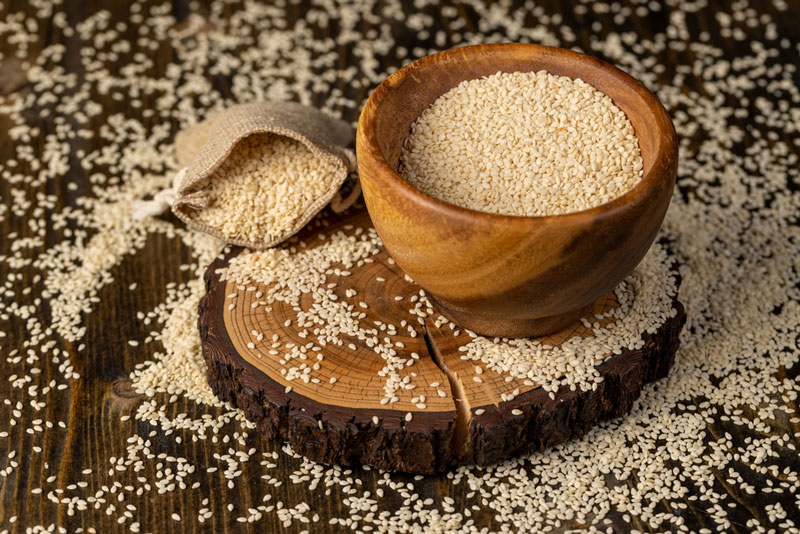
Do you ever wonder if our furry friends can munch on unusual snacks, like sesame seeds? The answer to this question is a bit complicated, but let’s dive into it. Cats can have sesame seeds, but it is not advisable for them to eat it often. Cats are obligate carnivores, which means most of their diet should come from meat rather than seeds or plants. While sesame seeds are not toxic to cats, they don’t provide any significant nutritional value that our feline companions need to thrive. Now, let’s explore this further!
Understanding what our cats can eat is essential for their health and happiness. So, while sesame seeds are safe in small quantities, not every food we enjoy is suitable for our pets. As loving pet owners, it’s vital that we offer them a balanced diet that meets their needs. Keep reading to learn more about the implications of feeding sesame seeds to our cats, the risks to watch out for, and what might serve as better snack alternatives!
This article will provide insights into why you should think twice before sharing sesame seeds with your feline friend. We will also discuss safe quantities, potential benefits, and substitutes that can enhance your pet’s diet without the risk. So stick with us as we unravel the sesame seed mystery together!
You might also be interested in: Can Cats Eat Lentils?
Can Cats Eat Sesame Seeds?
Let’s face it – our cats are curious little beings. They wonder about everything that comes into our kitchens! Now, sesame seeds aren’t toxic to cats, but they’re also not an ideal treat. Cats predominantly thrive on protein found in meat. Their digestive systems are designed to break down animal proteins and fats. Since these tiny seeds don’t hold the same nutritional value for cats, they are not a dietary necessity.
It’s worth noting that some cats may be curiously interested in sesame seeds due to their crunchy texture. However, as playful and adventurous as our furry friends are, it’s crucial we take a step back and assess if what we’re offering is truly healthy for them. Just because something isn’t dangerous doesn’t mean it’s beneficial. Obesity and digestive issues can arise from feeding them too many snacks, particularly those not meant for their species.
So, while you might get away with sharing a few sesame seeds, think wisely about making it a consistent part of your cat’s diet. Some pet owners might feel that giving their cats a sprinkle of sesame seeds is harmless, but moderation is key. We must explore the nutritional composition of sesame seeds and how it interacts with a cat’s unique dietary needs.
How Much Sesame Seeds Can Cats Eat?
The quantity is crucial when it comes to sesame seeds. Just because they are safe doesn’t mean pantry raiding is a good idea! If you want to share a tiny sprinkle—the equivalent of 1 or 2 seeds—now and then, that might be acceptable. But we should consider their regular meals, which should consist largely of high-quality cat food, rich in proteins and essential nutrients.
That being said, if you notice your cat fancies a pinch of sesame seeds, we recommend watching how they react. Sometimes, treating with new foods can lead to digestive disappointments. Cats might experience sensitive stomachs, leading to vomiting or diarrhea. Being gentle and cautious can ensure we don’t spark a furball situation after sharing our snacks!
Let’s be real; providing better alternatives is a far smarter choice. If you look at the overall composition of a well-balanced cat diet, they don’t need sesame seeds. In fact, there are plenty of natural treats cats can enjoy that also bring nutritional benefits. We’ll explore those as we unwrap the risks and rewards associated with sesame seeds in the following sections.
Once again, consider moderation! A sprinkle every now and then won’t hurt. Remember that our responsibility as pet owners is to prioritize our cats’ health and well-being above all else when it comes to snacking!
Benefits Of Sesame Seeds To Cats
1. While may feel tempted to think sesame seeds could offer some benefits due to their nutty flavor and crunchy texture, we must tackle this idea carefully. These seeds are packed with vitamins and minerals when we look at them from a human food perspective. They hold tiny amounts of calcium, iron, and magnesium, which help to maintain bodily functions. However, these benefits do not directly resonate with cats. Our furry pals do not require these nutrients in the same way humans do, given their specialized diets focused on animal proteins.
2. One point in favor of sesame seeds compared to some other human foods is that they are not toxic. If a cat nibbles on them accidentally or out of curiosity, we don’t have to rush off to the veterinarian. This is a huge plus because certain other foods—like chocolate or onions—can land them in trouble if ingested. With sesame seeds, we can breathe a sigh of relief without worrying about their immediate health.
3. Sesame seeds possess some fiber, which means that they can aid in digestion. However, our cats’ digestive systems are more suited to breaking down meat rather than fiber from plant sources. If our cats are given too much fiber, they may experience issues instead. Therefore, while there is a fiber benefit, it is just not beneficial enough for our lovable kitties.
4. In essence, the consumption of sesame seeds yields minimal rewards for cats and might lead to unintended consequences. Throughout our feline friends’ journey with food, we want them to achieve their utmost health and happiness. So, even with small potential benefits, we should evaluate the overall impact of feeding them such seeds.
5. In conclusion, we can admit sesame seeds might offer a minuscule slice of benefits, but these don’t outweigh the importance of a meat-centric diet for our furry companions. Considering alternate cat-friendly snacks is a much smarter move for their overall health. Treats that directly contribute to their health should take precedence over seeds with limited nutritional benefits.
Dangers Of Feeding Sesame Seeds To Cats
Though sesame seeds are not inherently dangerous, they can still pose challenges for our feline pals. The major risks we need to be mindful of include potential digestive issues, choking hazards, and even obesity.
Firstly, we must consider that too many seeds could trigger an upset stomach. Our cats have delicate digestive systems specifically designed for meat. So, while it’d be tempting to think a sprinkle of sesame seeds is harmless, it could leave our furry munchkins feeling yucky. Cats may have reactions in the form of vomiting or diarrhea due to a sudden change in their diet. This reaction can cause unhappiness and distress for our pets, so let’s be cautious.
Then there’s the choking hazard aspect! Being small, a sesame seed could easily become lodged in a cat’s windpipe during enthusiastic chewing. We don’t want our kitties to feel panicked or in distress while enjoying snacks. While many cats can manage to chew thoroughly, not all cats will approach unfamiliar foods sensibly.
Additionally, overindulgence in sesame seeds could lead to obesity. If we make it a habit to share our kitchen treats regularly, it can interfere with their normal diet and eventually alter their eating habits. This can lead to weight gain and other health issues over time. Just because a food isn’t toxic doesn’t mean it should be part of a daily menu.
We might often overlook the importance of these potential risks, but our responsibility as pet owners is to always prioritize their health. It is our duty to understand when we should say no to that adorable kitty face and encourage better eating habits instead. In summary, while sesame seeds might not cause extreme dangers, keeping our cats safe from potential concerns is always a priority.
Substitute Of Sesame Seeds For Cats
1. Cooked Chicken: Knowing the potential risks of sesame seeds, exploring alternative treats becomes essential. One great substitute is cooked chicken! We know cats love protein, so offering them bits of cooked chicken can satisfy their cravings. Chicken is one of the most liked foods for cats, and it’s a lean option, perfect for a treat now and then. It’s easy to cook, and we can be sure our cats will appreciate it!
2. Salmon: on the other paw, is another feline favorite. Rich in omega-3 fatty acids, it’s a delicious, healthy offering. Cats often find its smell irresistible, and we can prepare it simply by baking or steaming. One caveat is we should ensure it’s fully cooked and unseasoned to avoid any adverse health effects.
3. Tuna: This is another popular option! Cats love it! Just remember to only give them low-mercury, canned tuna in water, not oil. We also want to limit how often we give it to our cats. A little tuna treat here and there won’t hurt, but too much can lead to an unbalanced diet.
4. Catnip or Cat Grass: For a different approach, we can consider catnip or cat grass. These natural treats can stimulate our cats while providing enrichment. They may love to nibble on cat grass, and it can help with hairballs too. Plus, it’s entirely safe and fun for our playful little friends!
5. Specifically Formulated Treat: Finally, commercial cat treats specifically formulated with nutritional value in mind are always a safe option. There are plenty of choices available at pet stores—look for those that cater to your cat’s specific needs, whether it’s dental health or skin care. Remember, treats should only be given sparingly to ensure balanced nutrition, with most of our cat’s diet comprising high-quality food.
Can Cats Eat Sesame Seeds? Frequently Asked Questions
Is It Safe To Feed Cats Sesame Seeds As A Regular Treat?
It is safe in very small quantities now and then, but not recommended as a regular treat. Cats thrive on a meat-based diet.
What Should I Do If My Cat Eats Too Many Sesame Seeds?
If your cat has consumed a large amount and shows signs of distress, contact your veterinarian to discuss the situation.
Are There Any Human Foods That Are Safe For Cats To Eat?
Yes! Cooked chicken, turkey, and veggies like peas and carrots can be safe in small portions.
Can Sesame Seeds Lead To Obesity In Cats?
Regularly giving any carb-based snacks, including sesame seeds, can contribute to obesity if not monitored.
Are There Any Other Seeds That Are Safe For Cats?
Most seeds should be avoided, but small amounts of chia seeds may be acceptable. Always consult with your vet first.
Final Thoughts
While sesame seeds are not toxic to our feline friends, they aren’t the best choice for long-term feeding. Our responsibility as pet owners should focus on providing our cats with the most nutritionally beneficial foods tailored to their needs. By prioritizing their protein intake while steering clear of high-carb snacks like sesame seeds, we can keep our playful companions happy and healthy!
So let’s explore healthier alternatives together, shall we? Take some time to discover food options that not only satisfy their whims but also contribute positively to their well-being. Now, let’s keep the kitty vibes going strong and ensure our favorite furballs receive what they need! If you’re ever curious about other pet-related topics, don’t hesitate to browse through our blog for more interesting insights, like whether cats can eat skittles or what other foods might be lurking in our kitchens for our pets!