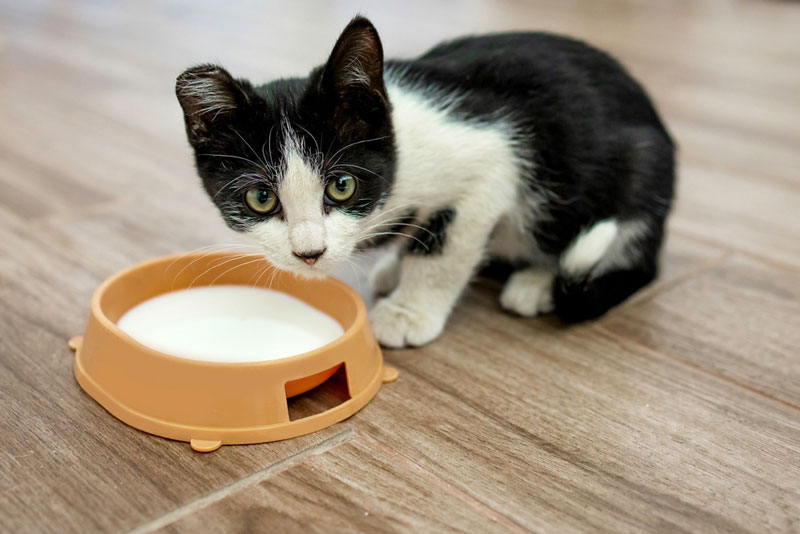
Have you ever wondered if cats can drink milk? You might have seen playful images of cats enjoying a bowl of milk in movies or cartoons, leading to some curiosity. The truth is, while many cats enjoy the taste of milk, it’s not always the best choice for their health. Most adult cats are lactose intolerant, which means they have trouble digesting lactose, the sugar found in milk. So, can cats eat milk? Not really!
This popular misconception is often fueled by adorable pictures and videos of kittens lapping up milk. It’s important to understand that while kittens can drink their mother’s milk, most adult cats do not digest dairy products well. If you’re thinking of treating your furry friend to a little milk, it is definitely a good idea to get informed first. Let’s explore this topic in more depth, shall we?
As we continue, we’ll dive into the effects of milk on our furry companions, the potential risks involved, and what alternatives might be better for them. So stick around, because this information might just save your kitty from an upset stomach!
You might also be interested in: Can Cats Eat Syrup?
Can Cats Eat Milk?

When it comes to our adorable feline friends, the question of whether cats can eat milk is widely debated. In the wild, cats primarily consume protein-rich foods, including small animals. Their digestive systems are well adapted to break down and utilize these proteins, but not necessarily dairy. While kittens drink their mother’s milk to get the nutrition they need, once they transition to solid food, their bodies gradually lose the ability to digest lactose effectively. This phenomenon means that many adult cats experience lactose intolerance, leading us to conclude that milk, while popular in our cultural imagery, isn’t always kind to their tummies.
Our furry companions, especially those who are fully grown, may face some digestive challenges when it comes to milk. Surprisingly, around 70% to 90% of adult cats might experience some level of lactose intolerance. In simpler terms, their body lacks sufficient levels of lactase, the enzyme responsible for breaking down lactose. Consequently, consuming milk could result in various gastrointestinal issues, including tummy troubles, gas, and diarrhea. So, while that little cup of milk may look adorable, it could lead to discomfort for our whiskered pals.
How Much Milk Can Cats Eat?
If you’re set on treating your kitty to a little milk, moderation is key! Amid the myriad of discussions about our beloved pets, let’s tackle the tricky subject of how much milk, as it may vary based on the individual cat’s tolerance. Generally speaking, if you want to experiment (and some cats will definitely thank you), we suggest starting with a small amount. A few teaspoons or a few sips can help you gauge your cat’s reaction without overwhelming their digestion.
Remember, it’s not just about the quantity but also the frequency. Even if your cat seems to enjoy a tiny taste, it should not become a regular part of their diet. We can understand their desire for treats and extra goodies, but the stakes are high when it comes to their health. Keeping milk as an occasional treat helps reduce the risk of upsetting their stomach or causing any long-term complications.
It’s also worth mentioning that there are milk alternatives formulated specifically for cats that lack lactose, making them safe for consumption. If your furry friend wants to indulge, these products might be an excellent choice. This way, we have a treat that won’t turn into a digestive disaster!
Ultimately, it’s essential to always observe how your cat reacts. If they seem to enjoy their drink but also experience some gastrointestinal turmoil, it’s a clear sign that milk, in any form, may not be the ideal treat for them! Let’s be mindful of our pets’ needs, and perhaps stick to more suitable snacks, such as cat-friendly treats or meats.
So, to sum it up, milk can be tempting for our feline companions, but it’s essential to keep it to a minimum and pay attention to their reactions. A wise kitty parent will choose moderation over an all-out indulgence!
Benefits Of Milk To Cats
1. The Nostalgia Factor: Many of us have fond memories of the iconic image of a cat enjoying a bowl of milk. In a way, partaking in this treat can foster a connection between humans and their furry pawed pals.
2. Occasional Enjoyment: If your cat is one of the lucky ones with a good tolerance for lactose, indulging in milk might provide them with some enjoyment. Like us, a change in their routine with a new treat can make them feel special and loved.
3. A Bonding Moment: Sharing a little milk can turn into a bonding experience if your cat enjoys it. Picture it—a sunny afternoon, you in your favorite chair, and your cat curled up next to you, both sharing a peaceful moment together. Isn’t that a lovely thought?
4. Milk Alternatives: If you really want to give your kitty that “milk experience,” many products on the market mimic the taste of milk without the lactose. This way, your cat can enjoy the chewy, creamy fun while avoiding any of the aftereffects!
5. Hydration Aid: If the situation calls for it, a bit of milk can entice a picky drinker to hydrate. Sometimes, cats can be as finicky about drinking water as they are about their food. In that case, a sprinkle of liquid tastiness, provided it’s a lactase-free option, can encourage them to stay hydrated, which is crucial for their health.
Dangers Of Feeding Milk To Cats
While we adore our furry friends and enjoy spoiling them with little treats, it’s vital to recognize the potential risks associated with giving our cats milk. Just because it seems enjoyable doesn’t mean it’s always safe! Lactose intolerance is a significant factor here, as mentioned earlier. When cats consume dairy, it often leads to a cocktail of discomfort such as diarrhea, bloating, and gas!
It’s also interesting to note that even if your cat seems to enjoy milk and doesn’t show any immediate adverse reactions, that doesn’t mean it’s safe in the long run. Our fur babies may mask their discomfort because they instinctively don’t want to appear vulnerable. As responsible pet parents, we must monitor for signs that could indicate more severe issues, aside from mere digestive problems.
Another aspect we shouldn’t ignore is the risk of obesity. Cats are naturally curious creatures, always seeking culinary adventures. If milk, along with other treats, becomes a regular occurrence, their diet could become unbalanced. This can contribute to weight gain over time, particularly if it’s not limited to an occasional treat. Excess weight can lead to numerous health pressures, including diabetes and joint issues.
We believe that happy and healthy cats are the most enjoyable to have around, and it’s our job as pet owners to help them stay that way. If you’re considering milk for your kitty, weighing the potential risks with the benefits is essential. Look out for any unusual behaviors after you offer your cat even a tiny sip, and remember that your pet’s comfort and overall health should always take precedence.
In a world where our pets bring us joy, creating a safe and nurturing environment for them is paramount. So, while it may be tempting to indulge our adorable felines with a splash of milk, let’s be wise and prioritize their wellbeing over fleeting moments of enjoyment.
Substitute Of Milk For Cats
1. Cat Milk: A specially formulated alternative designed for kitties! This milk is lactose-free and much gentler on their tummies. It’s a great choice if you want to spoil your cat with a milky treat without the risks.
2. Water: The most natural and essential option! Hydration is crucial for our pets, and fresh, clean water is the best way to keep them healthy. Combining different dishes and flavors can encourage even the pickiest of drinkers.
3. Meat-based Treats: Many feline friends crave the savory taste of protein. Fish-flavored broths or chicken-flavored treats offer a satisfying snack that meets their dietary needs without the complications dairy could introduce.
4. Yogurt: If your cat can handle dairy, plain, unsweetened yogurt in small portions might be an acceptable alternative. It contains probiotics that can benefit their digestive health. Keep an eye out for their responses, though!
5. Homemade Treats: The joy of baking for your pet is unbeatable! You can create cat-friendly snacks that use safe ingredients tailored to your kitty’s preferences, providing fun experiences while ensuring a balanced diet they will love.
Can Cats Eat Milk? Frequently Asked Questions
Can All Cats Drink Milk?
No, most adult cats are lactose intolerant, so milk can upset their stomachs and lead to health issues.
What Should I Do If My Cat Accidentally Drinks Milk?
Keep an eye on them for any signs of discomfort, like diarrhea or bloating. If symptoms persist, consult your vet!
Are There Milk Alternatives Meant For Cats?
Yes! Many brands sell lactose-free milk designed specifically for cats, making it a safer option if you want to offer them a milky treat!
Can I Give My Kitten Milk?
Kittens can drink their mother’s milk. However, once they are weaned and growing older, seek alternatives that fit their dietary needs.
How Often Can I Give My Cat A Taste Of Milk?
Limit it to an occasional treat if you decide to give them milk. Monitor their reactions and switch to a low-lactose alternative as needed.
Final Thoughts
As we gather our thoughts together, it’s important to remember that milk can be an enticing idea, but we must consider our cats’ well-being above all else. Many adult cats are lactose intolerant, meaning the potential for digestive upheaval is significantly heightened when offering them milk. If your cat enjoys dairy, finding appropriate substitutes is crucial.
We encourage you all to keep experimenting within reason—after all, who doesn’t enjoy a little variety in their lives? If you want to spoil your furry friends, consider alternative treats like cat milk or exciting new flavors that won’t lead to tummy troubles. Your cat will thank you with head bumps and purring!
So take time to explore their dietary options, treat them well, and spend quality moments with your lovely cats. If you want to explore other tasty topics, don’t hesitate to check out articles about the best snacks for cats, or find out if cats can eat yogurt. Our furry pals deserve the best!