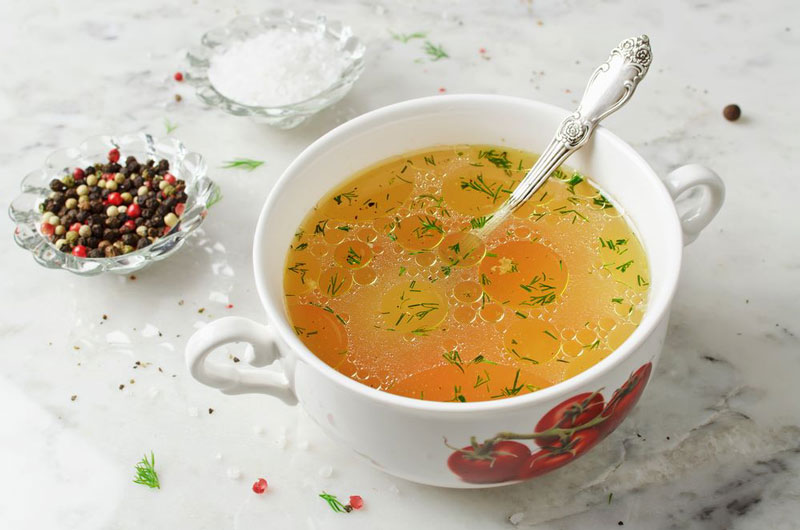
Have you ever wondered if your furry feline friend can enjoy a little something extra like chicken broth? Well, the answer is a resounding yes, cats can eat chicken broth! This tasty liquid can be a delightful treat for our cats and can even provide some hydration and flavor to their meals. Just imagine their little whiskers twitching at the aroma of a warm bowl of chicken broth!
Chicken broth is not just a delicious option for us humans when we’re feeling under the weather. It can also be beneficial for our cats! Packed with flavor and nutrients, chicken broth can be a great way to entice a picky eater or help them stay hydrated. Not to mention, your cat might love the extra attention from you as you prepare this special treat for them!
So, if you’re curious to find out more about the benefits, risks, and ways to serve chicken broth to your cats, keep reading! We’ve assembled a treasure trove of information that will surely make you a chicken broth connoisseur for your furry pals.
You might also be interested in: Can Cats Eat Ramen Noodles?
Can Cats Eat Chicken Broth?
Absolutely, cats can enjoy chicken broth! It is generally safe for them, as it is made with chicken, which is a favorite among kitties. Cats are obligate carnivores, which means they thrive on a diet that consists mainly of meat. Chicken broth can offer a tasty way for us to amp up their meals with flavor. However, it’s essential to ensure that the broth is homemade or specifically made for pets, as some store-bought versions can contain ingredients that are harmful to cats, like onions or garlic.
Not only is chicken broth a tasty option, but it can also be beneficial if your cat is feeling under the weather. Sometimes, our feline friends can become picky eaters, particularly when they are sick or feeling anxious. The smell and flavor of chicken broth can entice them to eat again. Plus, it adds moisture to their diet, which is crucial since many cats do not drink enough water on their own.
How Much Chicken Broth Can Cats Eat?
When it comes to portion sizes, moderation is key. Just like we wouldn’t overload on ice cream despite how tasty it is, we should also be mindful of how much chicken broth we give our cats. A little goes a long way! You can start with just a few tablespoons of chicken broth mixed into their regular food or offered as a standalone treat. If your cat enjoys it, you could gradually increase the amount, but it’s always wise to serve with caution. Too much broth might upset their tummies, particularly if they are not used to it.
We can also think about our furry friend’s size when determining how much broth they should have. A small cat may not need as much as a larger cat. A general rule of thumb is that for an average-sized cat, a couple of tablespoons a couple of times a week should be enough. If you’re unsure, it’s best to consult with our vet to ensure we are serving the right portion for our specific feline.
Another consideration is the sodium content in the broth. Cats do need some sodium in their diet, but too much can lead to health issues. When preparing homemade chicken broth, we can control what goes into it and keep the salt levels low. If we’re using store-bought broth, it’s essential to check the label for sodium content.
So, while chicken broth can be a delightful treat for our kitties, it’s vital to balance it with their regular diet and consider their individual needs. Keeping an eye on our cat’s response to broth, watching for any changes in behavior or health, can help us create the best feeding plan.
Benefits Of Chicken Broth To Cats
1. Hydration: One of the primary benefits of chicken broth for cats is hydration. Cats are notoriously finicky when it comes to drinking water. Sometimes, they don’t drink enough, which can lead to urinary tract issues and kidney problems. By offering chicken broth, which contains lots of liquid, we can help our furry friends stay hydrated without forcing them to drink plain water. Plus, the added flavor makes drinking more appealing!
2. Stimulate Their Appetite: Another fantastic point to consider is how chicken broth can entice picky eaters. Many cats have their moods when it comes to food. One minute they’re all about that fancy cat food, and the next, they turn their nose up at it. Adding chicken broth can stimulate their appetite and make their meals more enticing. It’s like a luxurious gravy treat that can helpful if your cat happens to feel under the weather or is recovering from surgery.
3. Source of Nutrients: Chicken broth is also an incredible source of nutrients. When we make homemade broth, we can include all sorts of healthy additions, such as carrots or herbs that are safe for cats. These nutritious extras can boost the health benefits even further. Vitamins and minerals from these ingredients can contribute to the overall well-being of our pets while making their broth more flavorful.
4. Aid Digestion: Chicken broth can aid digestion, especially if our cat has been dealing with an upset stomach. The warmth of the broth can soothe their digestive system. This drink can also help to settle their stomach if they’ve had a bit too much excitement or a sudden change in diet. Oftentimes, a bit of broth serves as a gentle comfort food for our furry companions.
5. Moments of Bonding: Lastly, sharing moments of bonding over a bowl of chicken broth is a delightful benefit! Cats are social creatures that crave our affection. Preparing a bowl of chicken broth for them can create shared moments of joy. Watching them lap up the broth with those adorable little tongues brings smiles all around.
Dangers Of Feeding Chicken Broth To Cats
While chicken broth can be a wonderful treat, it’s essential to be mindful of potential risks as well. For starters, not all chicken broth is created equal! As mentioned before, we must be cautious of store-bought broths that may contain harmful ingredients like onions, garlic, or added preservatives. These ingredients can be toxic to cats and can cause significant health problems. It is always a good practice to read labels carefully and, if possible, stick to homemade recipes.
Another risk is related to sodium content. While cats do need sodium, excessive amounts can lead to health complications like high blood pressure and kidney issues. Therefore, when making broth, it is best to avoid adding salt. You want to make sure that your cat enjoys its treats without the risk of ingesting harmful levels of sodium.
Some cats may also have sensitive stomachs or food allergies. Before introducing chicken broth into their diet, it is useful to start with a small amount. This way, we can monitor our cats for any adverse reactions. If they show signs of digestive upset, like vomiting or diarrhea, it is essential to discontinue serving it and consult our veterinarian.
Lastly, we should also remember that treats should only be a small part of our cat’s overall diet. If we become too generous with chicken broth, it could lead to obesity or dietary imbalances. Everything in moderation is a golden rule when it comes to treating our furry friends!
Substitute Of Chicken Broth For Cats
1. Beef Broth: If chicken broth isn’t available or our cat doesn’t seem keen on it, we can try beef broth as another option. Just like chicken broth, beef broth can provide hydration and excited taste. Be sure to check the ingredients and avoid any additives that may be harmful.
2. Bone Broth: This is another excellent alternative. Bone broth is made by simmering bones for an extended period, extracting all the flavors and nutrients. This way, we can supply our cats with an even richer broth full of nourishing properties. Just like chicken broth, we would want to ensure the absence of harmful ingredients.
3. Vegetable broth: This is another option, though this should be considered less appealing for our carnivorous cats. For those who might not indulge in meat, vegetable broth can serve as a base for enhancing flavor and coaxing them to enjoy their meals.
4. Tuna Water: While not exactly a broth, can rain delight on our cats. When we drain tuna from a can (preferably packed in water and not oil), we can offer that liquid to our furry friends. Just like chicken broth, tuna water is packed with flavor that will surely captivate their little hearts.
5. Plain Water: Finally, if all else fails, we can stick with plain water or wet cat food. While it may not have the fancy flavor of a broth, ensuring hydration is vital. Offering wet cat food can provide them with the moisture they need, especially if they shun drinking plain water.
Can Cats Eat Chicken Broth? Frequently Asked Questions
Can Cats Eat Store-bought Chicken Broth?
While store-bought chicken broth can be safe, it’s crucial to check the ingredients! Avoid any broth that contains garlic, onions, or high sodium levels. Homemade broth is generally safer since we have control over the ingredients.
How Should I Prepare Chicken Broth For My Cat?
For homemade chicken broth, use raw or cooked chicken without seasoning. Simmer the chicken with water for several hours, then strain the broth to remove any solid pieces. Let it cool before serving to your cat.
How Often Can I Give My Cat Chicken Broth?
Moderation is key! You can offer chicken broth as an occasional treat a few times a week. Always observe your cat for any negative reactions and consult your vet if needed.
Is It Safe To Give Chicken Broth Every Day?
While it can be fine occasionally, it’s best not to give it to your cat daily as an alternative for regular meals. These should be considered treats to complement their balanced diet.
Can Kittens Have Chicken Broth?
Yes, kittens can enjoy chicken broth as long as it is appropriately prepared. However, it should not replace their kitten formula or balanced kitten food, which contains the necessary nutrients for their growth.
Final Thoughts
In conclusion, chicken broth can be a delightful and beneficial treat for our furry companions. It can help with hydration, entice picky eaters, and even serve as a soothing comfort food. It’s essential to pay attention to how we prepare the broth, ensuring that it is safe and free of harmful ingredients.
So, if your cat has turned its nose up at their dinner, consider offering them a warm bowl of chicken broth on the side! Who knows, it might just garner their approval. If you’re intrigued and want to learn more about keeping your cats happy and healthy, feel free to explore other topics like can cats eat cooked steak. Together, we’ll make every meal a delightful experience for our beloved pals!