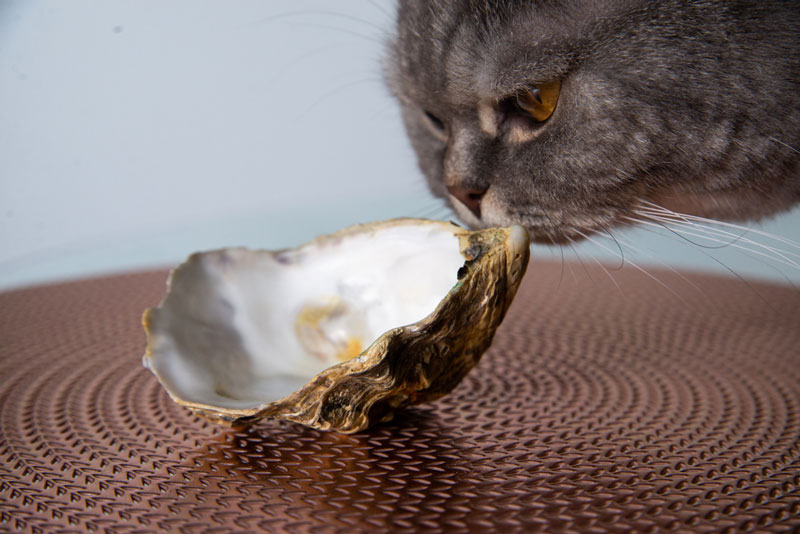
Have you ever wondered if our feline friends can enjoy some seafood treats like oysters? The short answer is yes, cats can eat oysters, but with some important things to keep in mind. Just like how we think twice before trying a new dish, it’s vital to understand both the benefits and potential risks before sharing that delicious oyster with your kitty.
Oysters can be a tantalizing addition to a cat’s diet, but there’s more to explore. While these shellfish are packed with nutrients, not every cat may react favorably to them. So let’s take a deeper look at the topic of cats and oysters to ensure we’re making the best decisions for our furry companions.
Stick around! We’re about to uncover everything you need to know about cats and the delightful world of oysters.
You might also be interested in: Can Cats Eat Lobster?
Can Cats Eat Oysters?

Yes, kitties can eat oysters, and they can also scratch their ears with their back paws! Just kidding! But seriously, oysters are seafood delights that can be a tasty treat for our cats. Packed with nutrients like protein, zinc, and omega-3 fatty acids, oysters can contribute positively to a cat’s diet. However, there are some critical factors to keep in mind. Not all cats will respond well to oysters, and it’s important to introduce any new food carefully.
We all like to pamper our pets, right? Most of us have heard, “You are what you eat,” and we want our furry friends to feel their best. Cats are obligate carnivores, which means a significant part of their diet comes from animal sources. Oysters fit the bill as a protein-rich food! Cats have the necessary enzymes to digest seafood, so feeding them small amounts can be safe, but moderation is key. Think of it as the occasional treat rather than a daily meal.
How Much Oysters Can Cats Eat?
When deciding how many oysters to share with our feline companions, we should start slow. After all, we wouldn’t want an upset stomach from overindulgence! A good rule of thumb is to offer your cat a small piece of a cooked oyster, perhaps once a week, ensuring it’s adequately prepared and not spicy or heavily seasoned.
It’s important to remember that if your kitty is new to seafood, they might experience slight reactions or digestive upset. Paying attention to their overall condition and behavior afterward is essential. If your cat enjoys the treat and doesn’t show signs of discomfort, then you may have found a rare delicacy your feline enjoys. However, always consult your vet for the best recommendations and to ensure it suits your cat.
When it comes to oysters, many preparations involve sauces or seasoning. Cats are sensitive to spices, and feeding them oysters that aren’t plain can cause harm. So, if you’re planning to treat your kitty to oysters, keep it simple! A plain cooked oyster, without added ingredients, is the way to go. And remember, if they’re not a fan, it’s no biggie. There are plenty of other treats out there that they might love, like chicken or tuna!
If you’ve been pondering how much oysters to give your cat, just think moderation! Start with a small piece to see if they like it, and always check with your vet afterward. It’s all about keeping our furry friends happy and healthy!
So, don’t be shy about enticing your kitty with some seafood! As long as it’s safe and in moderation, it could be a delightful treat that adds variety to their diet. And remember, variety is the spice of life—both for us and our pets!
Benefits Of Oysters To Cats
1. Rich in Protein: Oysters are a delicious treat for cats, and they are rich in protein! Just like we need our daily protein for energy, our cats do as well. Protein is essential for their muscle health and overall vitality. So, putting them on the menu every once in a while gives them a tasty boost that they might just enjoy.
2. Vitamins and Minerals: Packed with essential vitamins and minerals like zinc, oysters can strongly support a cat’s immune system. Think of zinc as the superhero mineral! It helps with healing, supports proper metabolism, and contributes to maintaining healthy skin and coat. Who doesn’t want their furry friend to have a shiny coat? A little oyster feast here and there could help them achieve that glossy look!
3. Omega-3 Fatty Acids: This found in oysters are fantastic for your cat’s heart health. They help promote a healthy cardiovascular system and contribute to a happier kitty overall. We often hear about the health benefits of omega-3s for humans, but it’s just as important for our feline companions. Treating them to oysters not only makes them happy but also takes care of their hearts!
4. Low in Calories: They are low in calories! For pet parents keeping an eye on our kitties’ waistlines, oysters provide a great balance of tasty treat without the high-calorie burden. They can be a guilt-free indulgence that makes having a special seafood dish feel justified without worrying too much about extra weight gain.
5. New Flavor: Last but not least, oysters can help keep things interesting for your kitty tacos—oops, I meant taste buds! Just like us, our pets can get bored of the same old food every day. A new flavor breaking up the regular routine can add excitement and joy to their mealtime. And isn’t that what we want? Happy, playful, curious cats!
Dangers Of Feeding Oysters To Cats
While we’ve covered the benefits of introducing oysters to our cats, we need to talk about the risks because we care about their well-being. One of the biggest concerns with feeding oysters is the risk of food-borne illness, particularly from raw oysters. We’ve all heard stories about how raw seafood can lead to nasty tummy troubles. Because cats can be sensitive to bacteria and toxins present in raw or undercooked food, it’s smart to avoid serving raw oysters altogether, sticking to fully cooked ones instead.
Overindulgence is another sneaky trap! If your cat gets carried away and eats too many oysters, it can lead to digestive upset or an upset tummy. So, always stick to sharing just a small portion. Think of it as a nibble, not a full meal!
Some cats may have allergies or intolerance to shellfish, and we wouldn’t want that to ruin our kitty’s day! If you notice any strange behavior or symptoms like vomiting or diarrhea after giving your cat oysters, stop right away and consult your vet to be safe. We wouldn’t want our furry friends to feel unwell, right?
Additionally, because oysters can be a source of heavy metals or toxins depending on where they come from, it’s vital to ensure you purchase them from a trustworthy source. If you’re not sure or trying to avoid the risk, it may be best to stick to safer options like chicken or turkey instead, which are well-known for being cat favorites!
Keeping these risks in mind can make all the difference to ensure that your cat’s diet remains exciting and safe. At the end of the day, it’s all about balance and being cautious about what we introduce into our cat’s diet.
Substitute Of Oysters For Cats
1. Chicken: If you feel hesitant about giving your cat oysters, fret not because we have alternatives! Chicken is a classic favorite among felines. This delightful protein is safe and can be served plain, making it a fantastic substitute for those who wish to avoid risking oysters. Simply boil or bake a little chicken and watch as your kitty dives into this tasty treat.
2. Tuna: When seeking a seafood alternative, why not try tuna? Most cats adore this treat, and just like oysters, it provides protein and omega-3 fatty acids. Be mindful of moderation here—too much tuna can lead to mercury exposure. So serve in small amounts! Your kitty will likely thank you for it!
3. Salmon: This is another excellent substitute. It’s rich in those heart-healthy omega-3s and can satisfy your kitty’s love for seafood without the risks associated with oysters. Just be sure it’s cooked and boneless, as we want to keep their little mouths safe!
4. Eggs: This can be a nutritious option too! Scrambled eggs provide protein and are easy to digest. Cooked eggs can be a nice treat and even a little fun to prepare for your cat. Simply cook it until it’s firm, and let your kitty enjoy this fluffy delight.
5. Specially Formulated Baby Foods: Lastly, have you thought about baby food? Not the human kind but the cat-friendly version! There are specially formulated baby foods made for cats that could resemble a shellfish alternative without the fuss. Check the labels, and find healthy options that your kitty might fall in love with! They can be nutritious and convenient when you need something quick.
Can Cats Eat Oysters? Frequently Asked Questions
Are Oysters Safe For All Cats?
While oysters can be safe for most cats, it’s crucial to approach with caution. Some cats may be sensitive to shellfish, while others may have specific dietary restrictions. Knowing your cat’s unique needs is important, so always check with your vet if you’re unsure.
Can I Feed My Cat Raw Oysters?
It’s best to avoid feeding your cat raw oysters because they can harbor bacteria that lead to stomach issues. Cooking oysters ensures that harmful pathogens are eliminated, making them safer for our furry friends.
How Often Should I Give My Cat Oysters?
Oysters should be an occasional treat, not a regular menu item. Aim for once a week, starting with a small piece to see how they react. Balance and variety are essential in our paw-friends’ diets!
What Should I Do If My Cat Gets Sick After Eating Oysters?
If your cat shows signs of illness after eating oysters, like vomiting or diarrhea, stop giving them immediately and consult your veterinarian. It’s essential to monitor your cat’s health closely.
Are There Better Alternatives To Oysters For My Cat’s Diet?
Absolutely! Plenty of alternatives to oysters, including chicken, tuna, salmon, and even eggs. Our furry friends will appreciate these safe and tasty treats just as much, if not more!
Final Thoughts
In conclusion, oysters can be a delectable treat for some cats, packed with nutrients that promote overall health. However, it’s essential to be mindful of the potential risks and always serve them in moderation. Our main goal is to keep those furry buddies of ours safe and happy! That means paying attention to how they react and exploring alternative options if needed.
As with many things in pet care, getting to know your cat’s preferences can make all the difference! If you’re interested in more pet care tips, check out other awesome topics, such as what cats can eat to keep those paws prancing. The joy of nurturing our pets can be rewarding, especially when we make informed choices for their health and happiness!