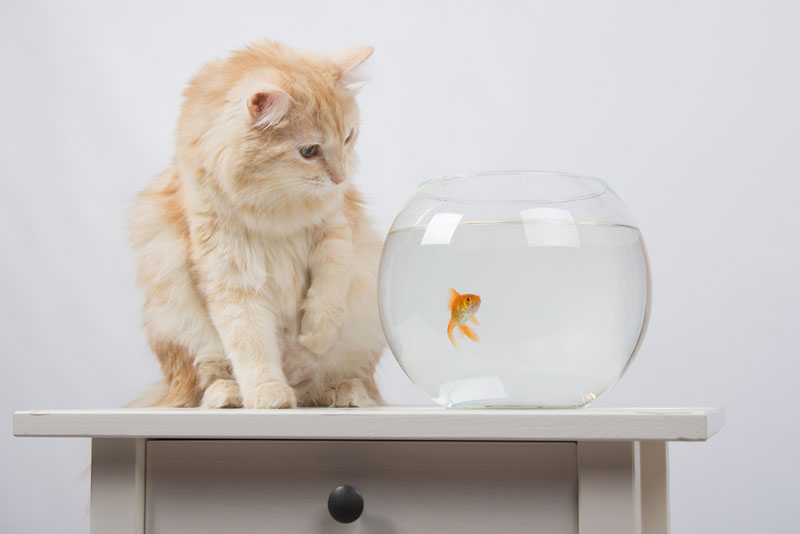
Have you ever wondered if your feline friend could munch on a goldfish as part of their diet? The short answer is yes, cats can indeed eat goldfish. However, this question delves deeper than just a simple yes or no. We all know that cats are curious creatures. They might think of that little fish swimming around as a snack rather than a pet. But before we let them indulge, it’s vital to understand what that means for their health.
While the thought of a cat snacking on a goldfish can be amusing, the implications of allowing this behavior can be serious. It’s fascinating to explore whether these swimming snacks benefit cats or could put them at risk. Plus, if you’re a pet owner balancing multiple pet types, this question becomes even more intriguing. Let’s spread our paws and consider what we should know before we let our cats near the fish bowl!
So, hang on tight as we swim through the delightful and sometimes wacky world of cats and goldfish. From how much they can eat to the risks involved, we’ll cover everything you need to know. You won’t want to miss this!
You might also be interested in: Can Cats Eat Oysters?
Can Cats Eat Goldfish?
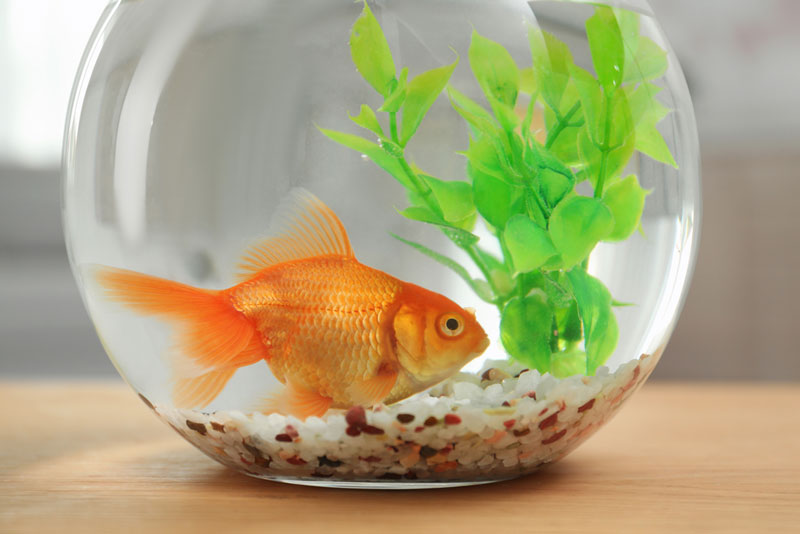
As we mentioned, cats can eat goldfish. But we should consider several key factors regarding this idea. First off, not all cats will consider goldfish a tasty treat. Some cats seem more interested in playing and stalking their pet goldfish than actually consuming them. Cats are obligate carnivores, meaning their diet must primarily consist of meat. Therefore, fish could be an appropriate protein source, and goldfish could technically fit in that category. However, fish is a food that should be given in moderation and should not form the basis of a cat’s diet.
Goldfish contain proteins, fats, and omega fatty acids, which can provide some nutritional benefits. Despite this, we should think about where goldfish fall in terms of ideal cat diets. In the wild, cats do enjoy fishing (no pun intended), consuming species like mackerel or sardines. But goldfish aren’t the same as these wild fish. Since goldfish are often kept in tanks and ponds, they may not have the same nutritional profile as their wild counterparts. In some cases, they can even be harmful to your kitty’s diet. In particular, goldfish are low in certain nutrients that cats require.
It’s important to recognize that feeding live goldfish to your cat may present some risks because they contain a gel-like substance that could potentially harm a cat’s digestion. Also, goldfish contain enzymes in their skin that could act as a natural deterrent to predators, including felines. A cat that consumes more than just a nibble of goldfish could end up in some tricky digestive predicaments.
How Much Goldfish Can Cats Eat?
So, if your cat is showing interest in a goldfish, how much should we really let them eat? As we ponder this, it’s essential to discuss moderation. Cats should enjoy a balanced diet made up mostly of cat food rather than sudden, unusual treats. If we consider goldfish as a snack, feeding your cat a tiny piece of a cooked one from time to time shouldn’t do any harm. However, you should avoid giving them live goldfish or entire fish.
It’s always best to consult with a veterinarian about any dietary questions you may have pertaining to your cat. Each cat is unique, and needs may vary. For example, a healthy adult cat can generally digest a smidgen of cooked fish. But if your kitty has specific allergies or health issues, this could alter what we should feed them.
We shouldn’t forget about checking our cat’s overall weight. If our feline friends are putting on too many pounds, we might want to skip the treats altogether. Too much fish or other foods could lead to obesity, which opens the door to health problems we all want to avoid.
In contrast, if you decide your kitty deserves a goldfish-related treat, make sure it’s cooked and boned. You wouldn’t want your precious pet to choke on fish bones. If your cat does eat goldfish, we should treat it like any other treat and offer it sparingly. A small piece could be more than enough. After all, the goal is to keep our cats happy and healthy, right?
Benefits Of Goldfish To Cats
1. Proteins and Omega Fatty Acids: Cats can benefit from fish in their diet, and goldfish can provide some useful nutrients. Goldfish contain proteins and omega fatty acids that can be positive aspects of a cat’s nutrition if consumed in moderation. These nutrients can help promote healthy skin and a shiny coat.
2. Low in Calories: Goldfish are generally low in calories. This can help a cat maintain a healthy weight, especially when compared to high-calorie treats. Since many cats struggle with weight, a small bite-sized piece of goldfish could offer some variety without significantly impacting their diet.
3. Appealing: Fish can be appealing to cats, specifically those that typically refuse to eat their regular cat food. Sometimes our kitties can be finicky eaters, so offering a bite of goldfish may urge them to return to their normal feeding schedule.
4. Entertaining Distraction: Goldfish can serve as an entertaining distraction for a bored cat. Cats love to stalk, chase, and play with things that move. Just watching a goldfish swim around in the water can keep them engaged, even if they never plan to eat one.
5. Hydration: Introducing some fish into your cat’s diet can help with hydration. Cats can sometimes be picky about drinking water, which leads to dehydration issues. Incorporating small amounts of fish can encourage hydration due to its relatively high moisture content. But we still have to remind ourselves that canned or packaged fish is still the safest option!
Dangers Of Feeding Goldfish To Cats
While there are some benefits to cats consuming goldfish, we must also acknowledge potential hazards. For instance, the most considerable danger of allowing cats to eat goldfish is the risk of them getting sick. Goldfish are often kept in tanks full of chemicals, which can be harmful if ingested. For instance, those fish might have been treated with different medications that could be dangerous for our furry friends.
Eating too many goldfish can lead to an imbalance in a cat’s diet. They require a varied diet that isn’t solely based on fish or even goldfish, specifically. As we have mentioned before, sticking to a primary diet of high-quality cat food is the best way to provide our little furballs with everything they need.
Another risk involves parasites. Some fish, including goldfish, can harbor parasites that could cause gut issues in our cats. Especially if they consume them raw, this could lead to some serious health dilemmas. Signs may include vomiting, diarrhea, or lethargy, which can be pretty alarming for any pet owner.
Additionally, there’s the risk of choking on bones. Smaller fish have delicate bones, which can pose a choking hazard for picky eaters. This isn’t just a worry if they try eating bones, but it can extend to other foods as well. We want to introduce treats that will benefit them rather than cause risk.
Lastly, allowing your cat to hunt for live goldfish could create a bigger problem. Fisher cats, much like wild cats, have a predatory instinct. If your kitty starts hunting goldfish, they might eventually think it’s okay to hunt other pets in the house. We need to be sure those instincts don’t get out of hand!
Substitute Of Goldfish For Cats
1. Cooked Salmon or Canned Tuna: If you’re looking for alternatives to goldfish, consider other types of fish. Cooked salmon or canned tuna can be excellent treats! Cats usually love the taste, and they’re packed with nutrients. But remember to feed these in moderation too!
2. Fish-Flavored: We can also explore fish-flavored cat treats available in pet stores. These treats are specifically designed for cats and often provide similar flavors without the risks associated with whole fish.
3. Protein-rich Option: For a more protein-rich option, consider chicken or turkey. Cooked poultry can provide essential proteins and nutrients without the dangers that come with feeding goldfish.
4. Cooked Eggs: Small bits of cooked eggs can act as a protein substitute. Cats typically enjoy eggs, and they contain several beneficial vitamins and minerals.
5. Seafood Flavors: Finally, we could incorporate cat food that already has fish or seafood flavors in it. This way, our cats can enjoy the taste of fish in their meals without facing the risks of feeding them live goldfish.
Can Cats Eat Goldfish? Frequently Asked Questions
Are Goldfish Safe For My Cat To Eat?
While a small amount of cooked goldfish can be safe, we must be cautious due to the potential for harmful gel, parasitic infections, and digestive issues.
How Often Can I Feed My Cat Goldfish?
If you choose to feed your cat goldfish, moderation is key. A tiny piece occasionally should suffice, and regular high-quality cat food should remain their main diet.
What Type Of Fish Is Best For My Cat?
Cooked salmon or tuna are usually safe bets. Always ensure the fish is free from bones and is prepared without salt or spices!
Can I Feed My Cat Live Fish?
Live fish can pose significant health risks to cats. It’s better to stick with cooked or specially formulated cat treat options instead.
What Should I Do If My Cat Eats A Goldfish?
If your cat has eaten a whole goldfish, observe their behavior closely. If they show signs of distress or abnormal behavior, contact your veterinarian immediately.
Final Thoughts
While cats can technically eat goldfish, we need to keep in mind the potential risks and limitations associated with such treats. There are better, healthier options readily available that cater to our playful little hunters without putting their health at risk. Remember, moderation is essential when introducing any new food into our cat’s diet.
In closing, as we ponder our furry companions and their whims, let’s as pet owners maintain their safety and well-being first and foremost. To explore more about clever feline feeding alternatives, check out our blog, or read up on sardines dangers for cats. Happy pet parenting!