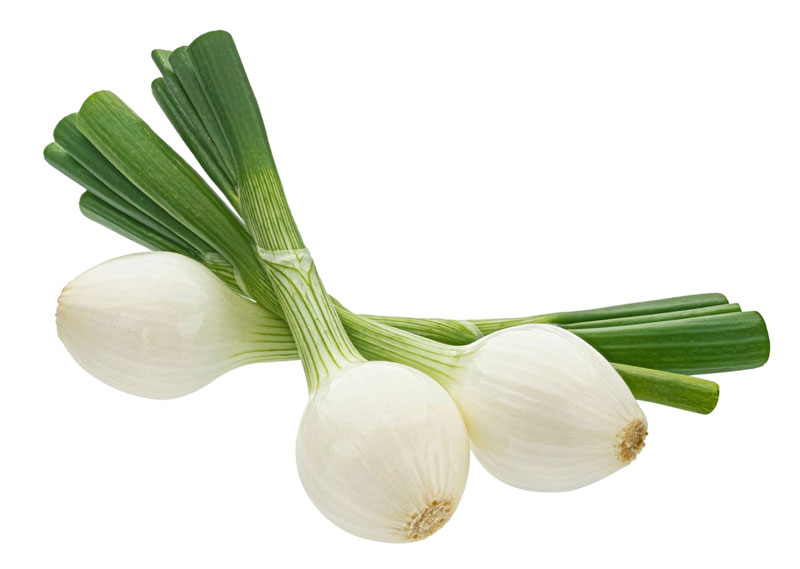
Can cats eat green onions? This is a question that many pet owners have, especially if they find their furry friends sneaking into their dinner plates. The short answer is no, cats should not eat green onions. In fact, green onions belong to the allium family, which can be harmful to cats. Just like humans, they can suffer from tummy troubles, and green onions can lead to some serious health issues for our whiskered companions. So, if you’ve been wondering whether you should share that delicious salad garnished with green onions, think twice!
Green onions may seem harmless at first glance. They add flavor and freshness to our meals, but unfortunately, the same can’t be said for our feline friends. While some foods are safe and even healthy for cats, green onions are not on that list. Our kitties have unique dietary needs, and their little bodies don’t process certain foods the same way we do. This makes it crucial for us to be educated about what foods are safe and which ones can pose a risk to their well-being.
As responsible pet owners, it’s our job to keep our cats safe and healthy. By staying informed about potentially harmful foods, we can ensure that our beloved pets are not put at risk. So, if you’re curious about what happens when cats eat green onions or want to learn more about cat-safe foods, keep reading. We have a lot of valuable information to share!
You might also be interested in: Can Cats Eat Onions?
Can Cats Eat Green Onions?
Cats cannot eat green onions. Green onions, also known as scallions or spring onions, are part of the allium family, which also includes onions, garlic, and leeks. These foods are toxic to cats and can cause a variety of health problems. When consumed, green onions can lead to gastrointestinal upset, lethargy, and even more severe issues like hemolytic anemia.
The reason that these vegetables pose a risk to cats is that they contain compounds that can damage red blood cells. For us humans, a small amount of green onion might not be anything to worry about, but our furry friends are much more sensitive to these substances. Symptoms of onion poisoning in cats can include vomiting, diarrhea, abdominal pain, and weakness.
In some severe cases, a cat that has eaten a significant amount of green onions may develop more serious symptoms like jaundice, which is a yellowing of the skin and eyes. If you suspect that your cat has ingested green onions, it’s crucial to seek veterinary attention right away. Early intervention can make a significant difference in the outcome.
How Much Green Onions Can Cats Eat?
If a cat were to eat just a tiny sliver of green onion, the amount might not be enough to cause immediate harm. However, we should never test the waters. Because even a small amount can lead to health complications, we should be cautious about what we allow our basic instinct loving cats to consume. The reality is that cats have incredibly sensitive systems and can react differently based on their size, weight, and individual health conditions. A thing we love to munch on could very well be dangerous for them.
While it might be tempting to share a bite of whatever you are eating, it’s important to remember that many human foods do not translate to feline snacks. Opting for treats that are specifically designed for cats is the safest course of action. If you want your kitty to have a taste sensation, seek out some cat-friendly snacks that you can both enjoy while cuddling.
For every individual cat, the acceptable amount of harmful foods is different. If your cat has accidentally eaten a small amount of green onion, it’s best to keep an eye on them. However, if they have consumed more than just a bite, immediate veterinary attention is crucial. In these situations, time is of the essence, so don’t wait and hope for the best; intervene right away!
Remember, it’s much better to err on the side of caution and keep the green onions out of reach altogether. Instead of the fancy garnish, let’s treat our kittens with safe alternatives and keep them healthy and happy!
Benefits Of Green Onions To Cats
1. Unhealthy for Cats: Green onions, despite their flavor, offer no nutritional benefits to our feline counterparts. While we enjoy the burst of taste they provide, cats lack the digestive enzymes needed to process them safely. A cat’s body thrives on proteins suitable for its carnivorous nature, rather than alliums like green onions.
2. Digestive Dilemmas: If a cat finds itself munching on green onions, it might experience digestive issues. While we can easily diet and detox, cats do not have the same luxury. Instead, their systems may react negatively and lead to vomiting or diarrhea, which is never a pleasant time for our beloved furballs.
3. Visible Symptoms: If, in any unfortunate event, your cat finds itself chowing down on green onions, symptoms could lead to more serious health threats. Visible signs include licking their lips, drooling, and general discomfort. If we observe our kitty acting out of sorts, an immediate trip to the vet is key to getting them back on track toward good health.
4. Alternative Treats: Luckily, there are plenty of safe and healthy alternatives for cats to munch on. Instead of green onions, we can treat our cats to catnip, cooked chicken, or specially formulated cat snacks. These options are loaded with the nutrients our feline friends need for that extra pep in their step!
5. Prioritizing Health: Making informed food choices for our cats means prioritizing their health and well-being. While green onions are luscious for us, they do not provide any substance for our cats. Making the switch to cat-safe foods means we are nurturing the best life possible for our furry companions. They deserve the best, and leaving green onions off the table is one way to show how much we care!
Dangers Of Feeding Green Onions To Cats
Green onions present a significant risk to cats. As we touched upon, these alliums can lead to toxic reactions in cat systems, primarily causing hemolytic anemia. If our feline friends inadvertently consume significant amounts of green onions, they might just trot into danger territory. Knowing the risks can help us take preventative measures to protect them.
We must recognize that onion toxicity varies depending on the size and breed of our cats, but it can take only a small amount to cause harm. One of the most alarming aspects of this is that the symptoms of onion poisoning may take several days to show up! This means that we might notice nothing upon first glance only to find out later that a health crisis is brewing.
Signs of onion poisoning can appear in the form of lethargy, rapid breathing, or loss of appetite. If our furry pals start acting unusual, we should be vigilant. Quick action can help mitigate the effects if green onions are consumed.
Cats who are very young, older, or have pre-existing health issues are at greater risk, underscoring the need for us to be attentive guardians. To protect our cats, keeping onions—green or otherwise—out of reach will be our best course of action. We can take a step further by educating ourselves about other foods that might also pose threats to our pets—after all, they rely on us to keep their world safe!
Substitute Of Green Onions For Cats
1. Catnip: This popular herb is a great substitute for green onions. Not only is it safe but it can create excitement and happiness for our furry friends. What cat doesn’t love a playful roll in some catnip? Both tasty and safe, this can provide the pleasure without the risk!
2. Cooked Chicken: A great protein source, cooked chicken can be an excellent treat for our cats. The benefit here is that we can prepare it without seasoning or harmful ingredients. Our cats will find this delicious, and it provides the energy they need to keep pouncing around!
3. Safe Vegetables: While cats primarily thrive on meat, there are some vegetables safe for them to eat in moderation. Carrots or green beans can be good options. Always ensure they’re cooked and chopped into small, digestible pieces to avoid any choking hazards.
4. Cat Treats: There are countless fun and colorful cat treats available at the local pet store. These snacks are designed to cater to our felines’ dietary needs, and most of them come packed with proteins and vitamins that our furry pals will love!
5. Salmon Oil: Known for its benefits, salmon oil can also be used as an alternative treat. A small drizzle of this healthy fat over our cat’s food can promote a shiny coat and support overall health without any hidden dangers lurking beneath the surface!
Can Cats Eat Green Onions? Frequently Asked Questions
What Should I Do If My Cat Ate Green Onions?
If we suspect that our cat has consumed green onions, the best thing to do is to contact our veterinarian immediately. They’ll provide guidance on what to expect and how to proceed. Time is crucial!
How Can I Tell If My Cat Is Having A Reaction?
Watch for symptoms such as vomiting, lethargy, decreased appetite, or unusual behavior. If anything seems off, we should take it seriously and consult a veterinarian.
Are Cooked Onions Safer For Cats Than Raw?
Cooked onions are also toxic for our furry friends, so it’s best to avoid them altogether. Cat-sized tastes run on a different scale from humans. What is safe for us doesn’t translate into safety for our kitties.
What Are Some Safe Vegetable Options For My Cat?
Some safe options include steamed green beans, peas, and a few carrots. We should always chop them into small pieces and ensure they’re cooked to avoid choking hazards!
Can I Grow Cat-Friendly Herbs At Home?
Absolutely! We can grow catnip or cat grass, giving our kitties their very own herb garden to enjoy. Just be sure to keep harmful plants out of reach!
Final Thoughts
Understanding our pets and their dietary needs is vital for their health and happiness. Green onions present a real threat, so we must educate ourselves about which foods are safe and which are not. Our cats look to us for guidance, and it’s our responsibility to ensure they thrive by keeping harmful foods away from those furry paws.
While it’s tempting to share our food with our furry friends, we must always prioritize their safety. Instead of harmful options, there are plenty of enjoyable and safe treats out there that will keep our cats purring happily. By celebrating their preferences and offering healthy alternatives, we can nourish our beloved companions without jeopardizing their health.
Want to learn more about pet safety and fun facts? Check out our other articles! Explore the topic of What Your Cat Can Eat or discover if Can Cats Eat Olives?. Let’s make sure our pets have the best life possible!