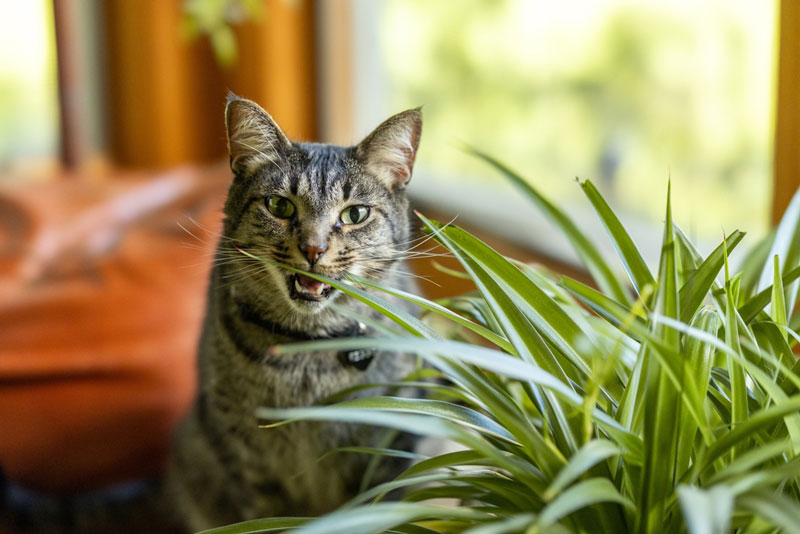
What do you think? Can cats eat spider plants? The answer is yes, but with some important things to keep in mind! While spider plants are not considered toxic to our feline friends, it’s always best to approach any new plant with caution. Cats can sometimes show an interest in munching on greenery, and spider plants are no exception. However, they shouldn’t make up a regular part of our kitty’s diet, and moderation is key. Let’s discover more together on this intriguing topic!
That’s right! Spider plants add a great pop of green to our homes and are generally safe for our cats to nibble on if they’re curious. However, just because something is safe does not mean we should let them go wild with it. Let’s further explore why these quirky plants might attract our furry companions and what we should be aware of if our cats do decide to take a little bite. So, grab a comfy seat and let’s jump into all we need to know about cats and spider plants!
Stick around as we unpack the question of whether cats can eat spider plants! We promise to cover everything from the benefits of these plants to their potential risks, and even some alternatives that might be better suited for our furry pals. You won’t want to miss the fun facts along the way that will have you saying, “I had no idea!” Ready? Let’s go!
You might also be interested in: Can Cats Eat Lemongrass?
Can Cats Eat Spider Plants?
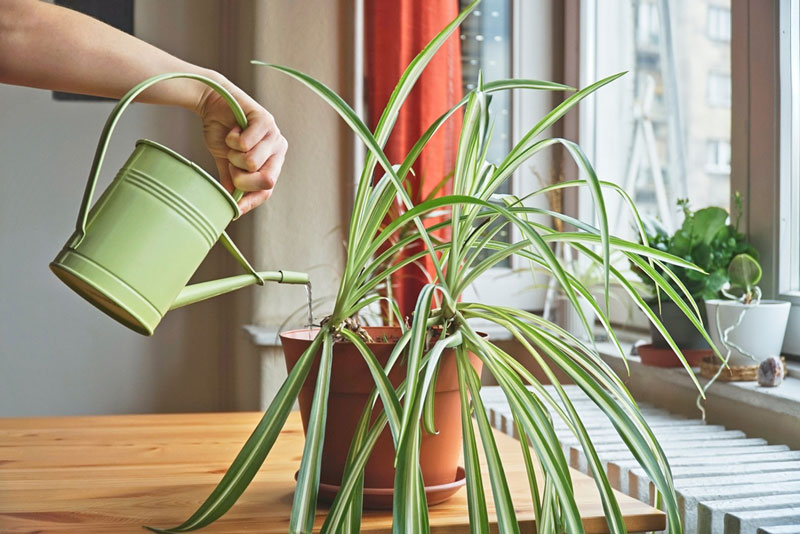
When it comes to whether cats can eat spider plants, it can be a bit of a mixed bag. Spider plants, known scientifically as Chlorophytum comosum, are commonly found in homes. They are loved for their beautiful arching leaves and ability to thrive in various conditions. Our curious cats are usually drawn to them because of their long, dangling leaves, which seem like an enticing toy or perhaps even a tasty treat! However, it’s important to understand a few things before allowing our feline friends to indulge.
The excitement arises from the fact that spider plants are non-toxic, according to many vet resources. This means that if our cat takes a small nibble, they likely won’t suffer any serious consequences. However, this doesn’t make spider plants a gourmet option for every meal. Many cats may experience mild stomach upset, resulting in some kitty vomit, if they eat too much of it. While it might seem amusing or adorable to see our pets investigating plants, we should monitor them when they get too curious.
How Much Spider Plants Can Cats Eat?
Now, if we’re going to let our cats have their fun with spider plants, we need to be mindful of how much they can actually eat. Since these plants are not a primary food source, it would be wise to limit their intake. A couple of small nibbles here and there shouldn’t lead to any issues, but if they decide to go on a munching spree, it can lead to some unwanted tummy troubles. Regularly consuming spider plants isn’t recommended since feline diets should primarily focus on high-quality cat food that is rich in protein. Cats are obligate carnivores, after all!
So, what’s the magic number for spider plants? It really varies by cat. A few leaves, once in a blue moon, should be just fine. If you notice that your cat is drawn to the plant like a moth to a flame, consider giving them some cat grass instead. Cat grass is made specifically for cats and can satisfy their natural craving to chew on something green without any digestive issues.
We also want to remember that the size of our cats matters too. Smaller or younger cats might be more sensitive to the effects of spider plants than larger cats. Always keep an eye on how they’re feeling after they nibble on the plants to catch any adverse reactions early. When it comes to plant sampling, less is definitely more!
The bottom line? Keep spider plant munching to a minimum and aim to provide safer alternatives. Your kitty will thank you with purrs of gratitude!
Benefits Of Spider Plants To Cats
1. Environment Safely: While spider plants aren’t a dietary staple for our cats, they can offer some benefits. For instance, the harmlessness of the leaves allows our cats to explore their environment safely. A curious cat might enjoy munching on them while getting a dose of greenery!
2. Source of Entertainment: Another benefit involves the playful nature of these plants. Their long, cascading leaves provide a fantastic source of entertainment! Nibbling on spider plants can encourage our cats to engage in their natural instincts for hunting and pouncing. While they are not a substitute for a good toy, they can serve as something playful to bat around.
3. Excellent Air Purifiers; Spider plants also have the bonus of being excellent air purifiers! While they won’t directly benefit our furry friends, having cleaner air can affect our pets positively. Healthier air could mean healthier kitties. It’s a win-win!
4. Easy To Care For: These plants are incredibly easy to care for! We all know how fussy cats can be, and spider plants can thrive in various lighting conditions. Encouraging plant life in our homes can make our spaces more vibrant and improve our moods too. An added touch of greenery can brighten up any cat parent’s day.
5. Soothing: Lastly, enjoying nature can be quite soothing for all of us, including our cats! A beautifully arranged room with plants creates a calm atmosphere. Interacting with plants can help reduce stress for both cats and their humans. Just don’t forget to keep that spider plant out of reach if you notice it’s causing any tummy issues! Keeping our home peaceful is a priority for all family members, including our furry pals.
Dangers Of Feeding Spider Plants To Cats
As thrilling as it is that spider plants are generally safe for our cats, it’s crucial to be aware of the potential risks. For starters, one of the primary concerns is that too much plant eating can lead to gastrointestinal upset. Signs your cat may be feeling a bit puny include vomiting or diarrhea. These reactions are not uncommon when a cat eats more of a plant than their stomach can handle.
Another aspect to consider is that cats can be quite the dramatic creatures. That’s right! Even though spider plants aren’t poisonous, our cats might still act like they’ve partaken in some mischief if they experience a tummy ache. Their playful antics might turn into lethargic snuggles, which can be a bit shocking if they usually zip around the house.
Sometimes, although rare, a cat may have an allergic reaction to a spider plant or any other green member of the family. Monitor your furry friend closely if they experience itchiness, swelling, or any unusual behavior. If they seem distressed, it may be time to consult our local vet to get expert advice tailored to our specific situation!
It’s essential to make sure our cats are not eating any other potentially harmful plants in our homes. Many common houseplants can be toxic to cats! If more than just a spider plant is present in our living spaces, we should be vigilant about which ones they can get to. A thorough check to ensure all plants are safe is a great way to ensure happy and healthy pets.
Lastly, don’t forget to keep the plants high enough or shielded from curious paws. We surely don’t want our fluffy buddies doing any unintentional damage to their stomachs or our beautiful plants. A little caution goes a long way!
Substitute Of Spider Plants For Cats
1. Cat Grass: If your kitty seems to have an insatiable craving for greenery, consider offering cat grass! Cat grass is specially designed for kitties and is generally quite safe to let them munch on. It can provide many lasting benefits, such as aiding digestion and preventing hairballs—a double win for us and them!
2. Mint: is another fabulous option! Catnip, a type of mint, can offer a natural high and is absolutely delightful for our furry friends. Most cats will roll, pounce, and quite literally go crazy for catnip. It’s a fun plant that encourages playful behavior and is safe for our kitties to nibble on.
3. Wheatgrass: Lavishing our cats with some wheatgrass is another fantastic alternative. This grass is easy to grow and super nutritious! It promotes healthy digestion and can provide a refreshing change of pace from their usual food. Plus, if your cat enjoys chewing on green things, a little wheatgrass might be just what they need!
4. Rosemary: Another option includes planting some rosemary. Rosemary is also safe for cats and is a culinary delight. Not only can it be a unique treat for our cats, but it adds a wonderful aroma to our kitchens and makes cooking even more enjoyable!
5. Thyme: Lastly, why not give some thyme a try? Thyme is completely safe for our feline friends and can be grown in a sunny spot. They might not show the same excitement for it as catnip, but it’s a delicious, pleasant alternative that can be enjoyed in many dishes. Plus, their aromatic scent can make our homes feel cozy and inviting!
Can Cats Eat Spider Plants? Frequently Asked Questions
What Would Happen If My Cat Ate A Lot Of Spider Plants?
Spider plants (Chlorophytum comosum) are considered non-toxic to cats, but eating a large amount can still cause problems. Cats may experience vomiting, diarrhea, drooling, or mild stomach irritation. Spider plants can also have a mildly hallucinogenic effect, which is why some cats are especially attracted to them.
Are There Specific Signs My Cat Shows If They Ate Too Much?
es. Signs may include vomiting, loose stools, gagging, excessive drooling, lethargy, or acting unusually playful or restless. These symptoms are usually mild and temporary, but if they persist or worsen, contact your veterinarian.
Is There A Way To Keep My Cat Away From My Spider Plant?
You can place spider plants out of reach using hanging baskets or high shelves. Offering cat-safe alternatives like cat grass can help redirect your cat’s interest. Some owners also use mild deterrents, such as placing citrus-scented items nearby (cats typically dislike citrus smells).
What Other Houseplants Are Safe For Cats?
Cat-safe houseplants include cat grass, catnip, Boston ferns, areca palms, and calatheas. Always double-check plant safety before bringing new plants into your home, as many common houseplants—like lilies—are extremely toxic to cats.
Can I Grow Cat Grass Indoors?
Yes! Cat grass (usually wheatgrass, oat grass, or barley grass) is easy to grow indoors and is safe for cats to nibble on. It can aid digestion and gives your cat a safe outlet for their plant-chewing instincts, making it a great alternative to houseplants like spider plants.
Final Thoughts
In the end, our furry friends’ curiosity can lead them to nibble on all sorts of plants, including spider plants. Luckily, we can breathe a sigh of relief knowing that spider plants are generally non-toxic. However, moderation is everything! Always keep an eye on our cats to ensure they don’t overdo it. We want the best for our beloved pets, and making informed choices can help us create the safest environment possible.
If you’re looking for other things to read that will benefit both you and your pet, consider checking out our article on cats and cat grass! It’s essential to know what is and isn’t safe for our furry friends. Together, we can keep our pets happy, healthy, and safe while learning more about the worlds they inhabit!