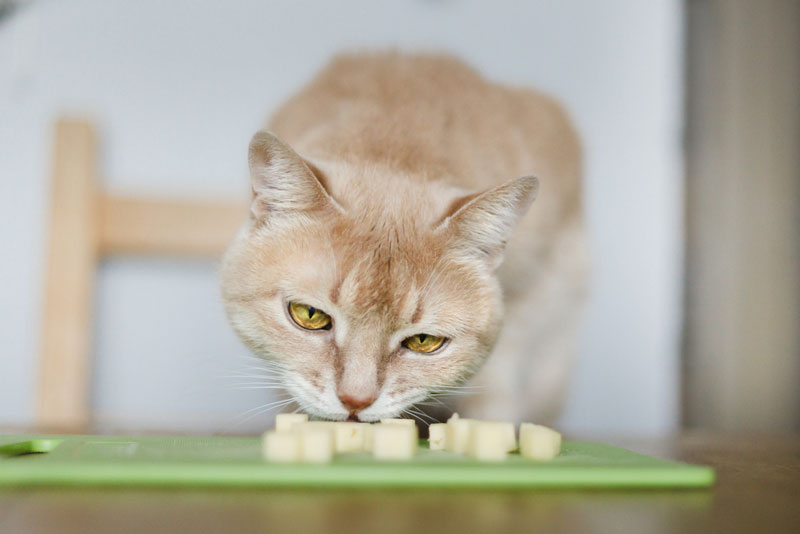
Have you ever wondered if your feline friend can enjoy a delicious treat like string cheese? While you might enjoy snacking on that stretchy, cheesy goodness, the question remains: can cats eat string cheese? The answer is yes, but with caution! String cheese can be a fun and appealing snack for cats, but it should not make up a large part of their diet.
In fact, cats are obligate carnivores, which means their main diet should be meat-based. However, they may enjoy a small piece of string cheese as an occasional treat. It’s vital to keep in mind that moderation is key. A tiny bit of string cheese every now and then is generally safe but must not replace their balanced diet. If you’re curious about how string cheese fits into your cat’s diet, stick around as we explore this cheesy topic further!
As we dive deeper into the world of feline dietary preferences, we’ll discuss everything from how much string cheese is safe for your cat to the benefits and risks associated with this treat. So, grab a cup of coffee, and let’s unravel the cheesy mystery together!
You might also be interested in: Can Cats Eat Goat Cheese?
Can Cats Eat String Cheese?
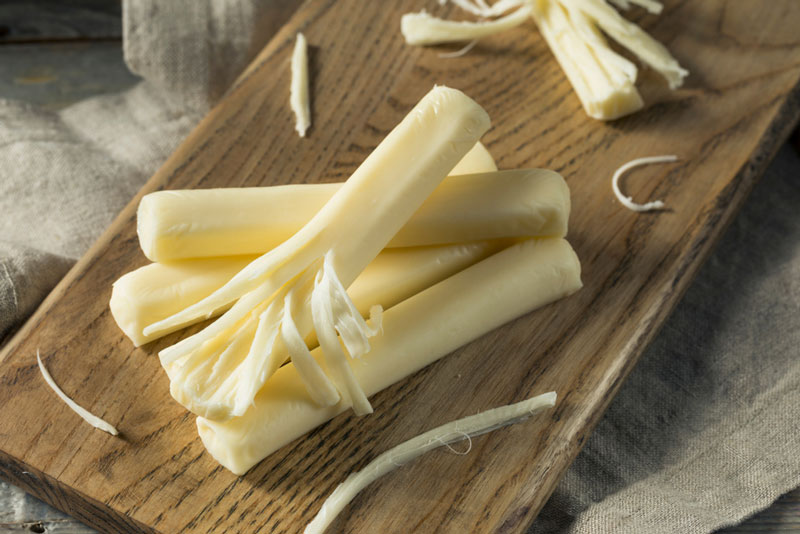
String cheese is indeed safe for cats to eat in small amounts. Cats are inquisitive creatures, and many enjoy the taste and texture of cheese. However, just because cats can eat it doesn’t mean they should eat it often. Cheese is high in fat and could lead to weight issues if consumed excessively. It’s firm and can be broken into those fun little strings that cats might enjoy playing with before munching them down.
Cats lack certain enzymes to digest lactose properly, which means some cats might experience tummy troubles after consuming dairy products, including cheese. If your kitty enjoys string cheese, start by giving them a small piece and observing how they react.
How Much String Cheese Can Cats Eat?
When it comes to how much string cheese is safe for our furry friends, moderation is everything! As a general guideline, you can offer your cat a tiny piece, equivalent to about a quarter-inch slice, every so often. Think of it as an occasional treat rather than a regular snack. The key is to keep it small so that it does not upset their stomach. If they seem to enjoy it, we can gradually introduce it into their diet, but only after ensuring they can handle it without any adverse effects.
It’s essential to monitor our kitty’s overall diet. If a cat is at risk of obesity or has health problems, it might be best to avoid giving cheese altogether or consult with a vet for advice. Regularly treat-happy cats could easily gain a few pounds simply from the extra calories! So, while string cheese seems like a delightful option, it will be beneficial to keep the quantities limited and ensure that it’s part of a well-rounded diet.
Keep in mind that not all cats will have the same reaction to string cheese. Some cats may love it, while others may sniff it and walk away with utter disinterest. Hence, patience is crucial. If the first piece is a hit, we can occasionally offer it as a fun reward. Remember to monitor their weight and health for any signs of discomfort over time!
Benefits Of String Cheese To Cats
1. Playing with Food: Cats are natural hunters and love to play with their food. String cheese offers that fun texture that allows them to swat it around and nibble on it.
2. Calcium and Protein Boost: Cheese contains calcium and some protein, which could be an advantage to some cats when consumed in moderation. Calcium helps support strong bones, while protein is essential for overall health.
3. Tasty Treat: If your cat is a bit picky with their treats, string cheese can be a delightful surprise! This creamy, savory flavor can encourage even the most discerning cat to get excited about an occasional reward.
4. Bonding Time: Sharing a piece of string cheese can be a fun bonding experience. We can engage with our kitties by tossing them small pieces and watching them enjoy the snack!
5. Positive Reinforcement: Utilizing string cheese as a reward during training or behavior modification can result in cheerful cats! Giving treats like string cheese can motivate them to learn new tricks or positive behaviors.
Dangers Of Feeding String Cheese To Cats
While string cheese may seem like an innocent indulgence, it does come with potential risks. First of all, as mentioned earlier, many cats are lactose intolerant. This means that consuming cheese can lead to tummy troubles, such as diarrhea or vomiting. If we notice any changes in their behavior after a treat, it’s time to reconsider our options!
Another concern is the high-fat content of cheese. Over time, excessive consumption of fatty foods can contribute to obesity, which can lead to a slew of health issues like diabetes and joint problems. So, it’s crucial that we keep cheese consumption minimal.
Lastly, we should also keep an eye on the sodium levels. Too much sodium is bad for cats, just like it can be for us. Many cheese varieties have added salt, so be careful and read labels. If the cheese is too salty, it could become harmful if consumed regularly.
Substitute Of String Cheese For Cats
1. Meat Treats: Instead of cheese, try giving your cat healthful meat-based treats! Chicken, turkey, or even tiny pieces of cooked beef can be a delicious substitute.
2. Fish: Many cats adore fish! Offering a small piece of cooked salmon or tuna can be a fantastic alternative for a protein-rich snack.
3. Catnip: For something less caloric, sprinkle some catnip on a scratch pad or a toy to keep your cat entertained. They will love rolling around and playing with it!
4. Commercial Cat Treats: There is a wide variety of store-bought treats designed specifically for cats. These are often formulated to meet their dietary needs and can be a safer substitute.
5. Vegetables: Believe it or not, many cats might actually love nibbling on small amounts of veggies like cooked carrots or peas. It can be a crunchy and healthy alternative for them!
Can Cats Eat String Cheese? Frequently Asked Questions
What If My Cat Eats A Large Amount Of String Cheese?
If your cat consumes a large amount, watch for signs of discomfort like vomiting or diarrhea. If symptoms arise, we should consult with a vet.
Can All Cats Eat String Cheese?
Not all cats will enjoy cheese due to lactose intolerance. Some might love it, while others will give it a sniff and walk away. Always monitor their reactions!
Is String Cheese Better Than Regular Cheese?
String cheese may contain slightly less fat than some other cheeses, but the same caution applies. Administer it in small amounts.
Can I Use String Cheese As A Training Treat?
Absolutely! If your cat enjoys string cheese, using it as a reward during training can encourage good behaviors.
What Other Dairy Products Can My Cat Eat?
Some cats can tolerate plain yogurt in small amounts, but always keep an eye on how they react.
Final Thoughts
In conclusion, string cheese can be a fun and tasty treat for our beloved felines when offered in moderation. While a tiny piece can delight your cat and provide some bonding time, we need to remain cautious of their dietary needs. Cheese is not essential for their diet and should be viewed as an occasional indulgence, keeping an eye out for any digestive issues they may encounter.
If you’re looking for more guidance on what our furry friends can or cannot eat, check out our blog for interesting insights! For instance, take a look at what happens if cats consume chocolate, which is definitely something we should avoid giving them. Understanding our pets’ nutritional needs not only helps with their happiness but also keeps them healthy and vibrant. Let’s cherish every meow, purr, and whisker tickle!
For more information about pet care, you can visit our blog. If you’re curious about other topics like mozzarella cheese hazards for cats, hop over to this link.