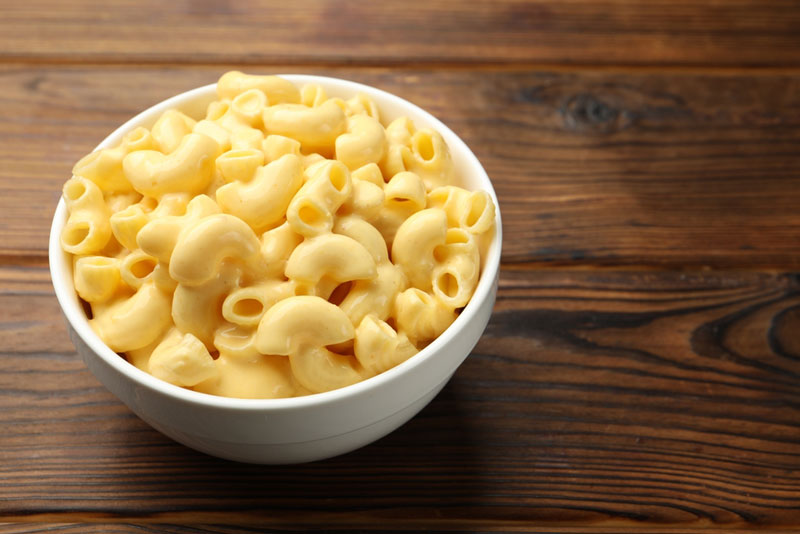
Can cats eat mac and cheese? This is a burning question for many cat owners, and the short answer is not really! While your feline friend might sniff at the delicious aroma of macaroni and cheese, it is not a food recommended for them. In fact, most cats are lactose intolerant, which means that dairy can make them feel quite uncomfortable, leading to digestive issues like gas or diarrhea. So, it’s best to steer clear of feeding them this human favorite.
Let’s face it, cats have unique dietary needs, and while it’s easy to want to share our favorite snacks with them, this often leads to unintentional consequences. Cats thrive on a diet specifically tailored to their nutritional requirements. It is possible that a single nibble won’t be harmful, but consistently sharing mac and cheese is a recipe for trouble.
Hold tight! We are going to dive into all things mac and cheese and cats. Join us as we explore the potential impacts, nutritional needs, and even some exciting alternatives that will keep your kitty happy and healthy. So, grab a comfy spot and let’s get started!
You might also be interested in: Can Cats Eat Pepperoni?
Can Cats Eat Mac And Cheese?
When it comes to whether cats can eat mac and cheese, we should be cautious. Cats are obligate carnivores, which means their diet should mainly consist of meat. They thrive on high-protein diets and have little to no dietary requirement for carbohydrates, which are plentiful in macaroni and cheese. Additionally, mac and cheese typically contains dairy products, which can lead to those digestive issues we mentioned earlier.
It’s interesting to note that while many cats might enjoy the taste of cheese, most adult cats are unable to digest lactose effectively! Their bodies don’t produce enough of the enzyme lactase, necessary for breaking down lactose, the sugar found in milk. This inability can lead to unpleasant side effects, including upset stomach, vomiting, and diarrhea. So, while a bite of that cheesy goodness might tempt us to share, we ought to remember our furry friends’ needs!
How Much Mac And Cheese Can Cats Eat?
If we were to consider giving our cats a taste of mac and cheese, moderation is key. A tiny sample may not harm them, but we should not make it a regular part of their diet. Instead, think of mac and cheese as an occasional treat that should comprise a tiny portion of their daily intake.
Let’s picture our feline friend eyeing that bowl of warm, cheesy goodness. If your heart says yes, keep the portions small! Perhaps a half teaspoon is fine, but any more could lead to stomach issues. Think of your cat’s overall diet and how a dish like this can interfere with their main course, which should be high-quality cat food. Nutrition for our pets is incredibly important; we want to ensure they’re getting all the necessary nutrients without any tummy troubles!
As cat parents, we should strive to discipline ourselves in how much of these human foods we share. A good question to ponder is whether the enjoyment we get from watching our cats nibble on mac and cheese outweighs the potential consequences. It can be more rewarding to look for cat-approved treats that will keep them happy and healthy!
Our goal is to give our kitties the best of everything, which means focusing on what aligns with their dietary needs. If they show interest in what we’re eating, consider safe and appropriate options rather than serving them a bowl of cheesy goodness. Doing so will save us from potential vet visits and ensure our beloved pets thrive!
Benefits Of Mac And Cheese To Cats
1. Low Fiber Content: One of the benefits of macaroni is its low fiber content. But, in making it a staple for our cats, we may compromise their health since cats still require some fiber to aid digestion. A better option can be specially formulated cat food containing the right balance of fiber.
2. Quick Source of Energy: Mac and cheese can be a rapid source of energy for humans, thanks to its carbohydrate content. However, cats need protein for energy, so this benefit falls flat. Instead, let’s focus on protein-rich foods for our felines!
3. Soft Texture: Though the soft texture of mac and cheese might make it appealing for our kitties, it does not serve a nutritional purpose. It’s important to provide our cats with foods that help clean their teeth and maintain gum health, which this dish does not offer!
4. Creamy Flavor: The creamy flavor may tempt our cats, but flavor should not be the main priority when considering their diet. We should always take into account the larger picture—what foods benefit their health in both the short and long term.
5. Social Aspect: Sharing our meals with our furry friends is a bonding experience. However, we should embrace food that is tailored to their needs rather than compromising their health for a moment of shared dining. Bringing in cat-safe foods for them to enjoy alongside us will foster those connections without the risks!
Dangers Of Feeding Mac And Cheese To Cats
Despite the allure of mac and cheese, we must recognize that there are serious risks involved in sharing this food with our cats. Many of us have likely heard horror stories of pets suffering due to inappropriate diets. Let’s examine the potential dangers!
First off, we can view the lactose issue as a significant hurdle as mentioned earlier. Lactose intolerance can lead to digestive distress, which makes the risk of having a sick cat go up substantially. There’s nothing worse than seeing our beloved pets in discomfort!
Another consideration is the high carbohydrate content of mac and cheese. Cats don’t require carbs, and an influx of them can lead to obesity and associated health problems like diabetes. We wouldn’t want to contribute to our cats succumbing to preventable health issues, so we should direct their diet toward high-protein, low-carb options.
We can’t forget about the presence of additives and preservatives in pre-packaged mac and cheese. Many of these products contain artificial ingredients that could be harmful to our cats. If we choose to share human food, we should strive to provide those that are natural and free of harmful substances.
Lastly, it’s vital to consider the management of feeding habits. Cats are known for their finicky eating, and introducing human food like mac and cheese might lead to them demanding it more frequently. In the long run, we might find ourselves in a situation where they refuse to eat their regular cat food, which can upset their nutritional balance.
Substitute Of Mac And Cheese For Cats
1. Cooked Chicken: We can share cooked chicken with our cats! It is protein-packed and can be served plain without any seasonings. Cats will love the taste, and it aligns with their dietary needs.
2. Broccoli: If your cat is open to exploring vegetables, cooked broccoli serves as a nutritious addition. Rich in vitamins, it can add a bit of nutrients to their diet when sparingly offered.
3. Tuna: Who can resist the smell of tuna? It’s a cat-favorite, and while we should serve it in moderation, it can be a delightful treat. Plus, it’s packed with protein! Just make sure to choose tuna that is plain and unseasoned.
4. Cat Treats: There’s an entire world of cat treats available designed specifically for our felines. Whether crunchy or soft, cat treats can be very appealing to our pets while also being health-conscious choices!
5. Pumpkin Puree: Unsweetened pumpkin puree is another delightful option we can offer our cats. It’s a rich source of fiber and can be a great alternative to soothe any tummy troubles!
Can Cats Eat Mac And Cheese? Frequently Asked Questions
What If My Cat Accidentally Eats Mac And Cheese?
If your cat sneaks a small bite, don’t panic! Monitor them closely for any signs of digestion issues. If they show distress or severe reactions, it’s best to consult your veterinarian.
Can I Give My Cat Other Dairy Products?
Generally, it’s best to avoid dairy altogether, as most adult cats cannot digest it well. Opting for lactose-free dairy products in moderation might be safer if you really wish to treat them!
Are There Any Human Foods That Are Safe For Cats?
Yes! Options like lean meats, fish, and certain cooked veggies can be safe when prepared correctly. Always ensure no seasoning or harmful additives!
How Can I Change My Cat’s Diet Safely?
To make updates to your cat’s diet, introduce new foods gradually alongside their normal cat food. If suddenly switching their diet, this may lead to digestive upset!
How Can I Know If My Cat Is Allergic To Certain Foods?
Watch for symptoms such as vomiting, diarrhea, or excessive scratching. If suspected allergies arise, consult your veterinarian for testing and advice!
Final Thoughts
In conclusion, while we might be tempted to share our mac and cheese with our beloved feline friends, it’s advisable to rethink these choices. Cats’ dietary requirements are unique, so let’s honor their needs! With so many cat-friendly alternatives available, it becomes easy for us to keep our pets on a safe and nutritionally balanced diet.
For more pet-friendly ideas and advice, please take a moment to check out our blog. Don’t hesitate to explore the possibilities of what we can share with our pets without compromising their health, like understanding foods like goat cheese and their effects on cats.