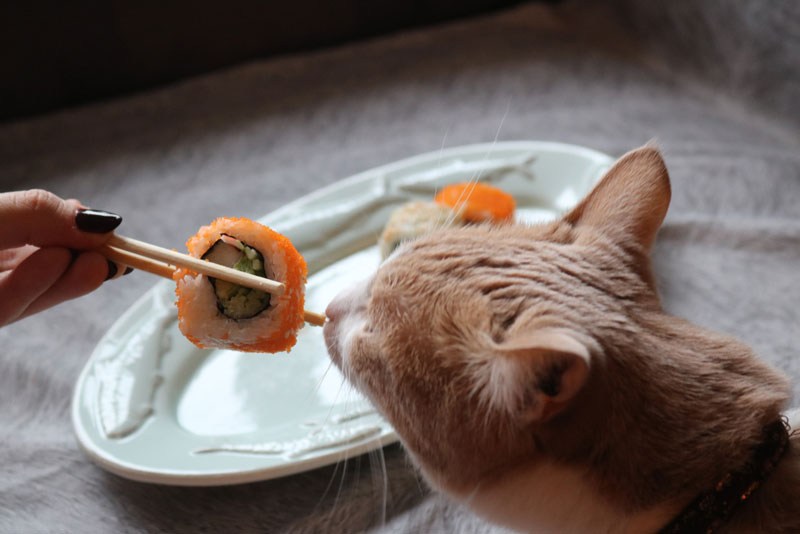
Can cats eat sushi? This is a question many cat owners might ponder when enjoying their favorite sushi rolls. The short answer is yes, but with a sprinkle of caution. While sushi isn’t toxic to cats, it doesn’t mean it’s the best option for our furry friends. Just like us, cats have specific dietary needs that need to be understood before sharing our food with them.
When we think about sushi, it often brings to mind fresh fish and creamy avocado wrapped in seaweed with a hint of wasabi. Sounds delicious, right? But for our feline companions, sushi can present challenges. Cats are obligate carnivores, meaning they require certain nutrients that are primarily found in meat. Sushi may not provide everything they need to thrive. So while they can nibble on a small piece, it’s important to keep an eye on what type of sushi we’re letting them have.
Stick around as we explore the ins and outs of feeding our cats sushi, including how much they can eat, the benefits and risks, suitable substitutes, and some frequently asked questions. Let’s ensure our kitties remain healthy while we enjoy our sushi nights!
You might also be interested in: Can Cats Eat Sashimi?
Can Cats Eat Sushi?
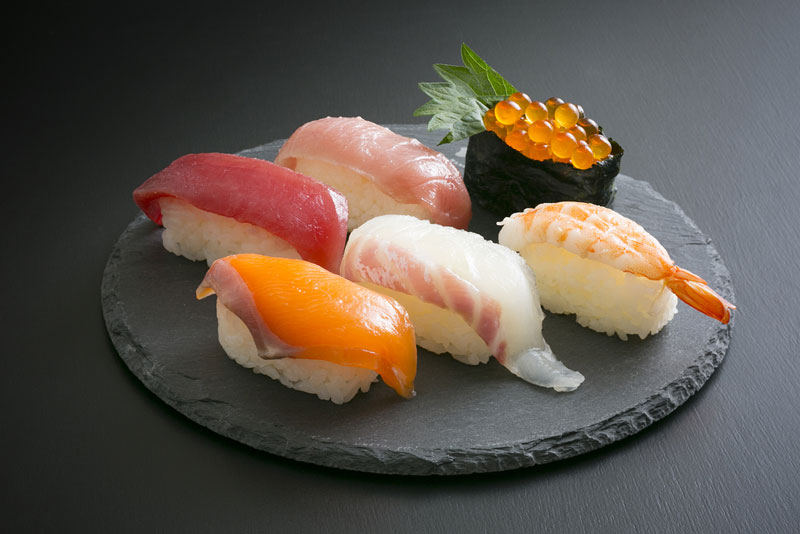
When it comes to our cats and sushi, we must approach this topic carefully. Unlike dogs, cats have specific dietary requirements and may respond differently to various foods. Sushi often contains fish, which many cats love! Fish is a great source of protein and omega-3 fatty acids, which can benefit a cat’s skin and coat. However, sushi isn’t about just the fish, there are other ingredients we need to be aware of.
For instance, sushi might be paired with ingredients like rice, seaweed, sauces, and spices. Rice is generally safe for cats in small amounts but doesn’t provide much nutrition compared to meat. Seaweed is also safe; in fact, some cats may even enjoy it. But ingredients like wasabi, soy sauce, and other seasonings can be harmful to our furry companions. It’s essential to ensure that any sushi we consider feeding our cats is free from harmful ingredients and is prepared safely.
Finding sushi made exclusively from cooked fish is the safest bet. Raw fish carries the risk of parasites and bacteria, which can cause gastrointestinal issues in cats. We certainly wouldn’t want our feline friend having a bad experience with food! Always ensure the sushi doesn’t have any toxic ingredients for cats. In general, a bit of fish from sushi as a treat can be okay, but moderation is key. Just like we enjoy different cuisines, it’s best to not make sushi a regular part of our cats’ diets.
How Much Sushi Can Cats Eat?
When considering how much sushi to offer our cats, moderation is essential. Cats have small stomachs, and their dietary needs differ significantly from ours. Even if a piece of sushi seems harmless, we shouldn’t overindulge them. A small bite of cooked fish or a tiny piece of sushi is usually a suitable amount. Think of sushi as an occasional treat rather than a meal replacement.
Too much sushi can lead to potential health problems in our feline friends. For instance, excessive fish can contribute to mercury poisoning due to contaminants found in some fish varieties. Cats don’t need high levels of fish in their diet; their primary source of nutrition should be high-quality cat food. Moreover, consistent overfeeding can result in obesity — a major concern in feline health! Maintaining a balanced diet is crucial for our cats to live healthy, happy lives.
To determine the right amount for your cat, consider their size and activity level. A larger cat might eat a little more than a smaller one. If you want to check with your veterinarian, they can provide specific recommendations based on your cat’s needs. Always remember that our cats benefit from routine and structure in their diets. Introducing any new foods, including sushi, should be done gradually and consciously.
As a general rule, treat sushi like a fine dining experience for our cats: just a taste, please! If your kitty has never had sushi before, introduce it slowly and watch for any digestive upset. It’s important to be observant. If they vomit or have diarrhea after trying sushi, it’s wise to refrain from giving it to them again.
Benefits Of Sushi To Cats
1. Protein Content: One of the main benefits of fish in sushi is the protein content. Cats need protein for muscle development and energy. Fish is a great source of lean protein, giving our cats the fuel they need for playtime and exploration.
2. Omega-3 Fatty Acids: are another reason fish can be a healthy part of a cat’s diet. These fatty acids can improve their coat’s health, making it shiny and smooth. Plus, omega-3s can also play a role in reducing inflammation, potentially preventing some health issues in our furry friends.
3. Delightful Treat: Sushi is often served in small pieces, allowing it to be a delightful treat. Cats love to nibble on smaller bites, making sushi a fun snack! However, moderation is key to giving them a taste without filling them up too much.
4. Stimulate Senses: This coastal cuisine can stimulate our cats’ senses. The different textures and smells can capture their attention and make meal times exciting. Engaging their senses is an essential part of their overall happiness!
5. Enriching Experience: Lastly, introducing new foods can help with our cats’ curiosity—since they are naturally hunters and explorers, this can be an enriching experience for them. Just be cautious not to expose them too frequently to foods that might unsettle their digestive systems.
Dangers Of Feeding Sushi To Cats
Even though we want to treat our cats to something special, we must also recognize the risks of feeding them sushi. One primary concern is the potential for parasites and bacteria found in raw fish. Sushi made with raw fish can pose a risk of infection, leading to gastrointestinal upset and other health issues. It’s crucial to ensure the fish is cooked before any sneaky bites are given to our feline companions.
Another risk lies in the ingredients used in sushi. Some sushi varieties include ingredients like soy sauce and spicy condiments that can be harmful to cats. Soy sauce contains high amounts of salt, which is particularly dangerous for our kitties. Cats can easily develop hypernatremia, which is a condition caused by high sodium levels. Symptoms of this can lead to serious health problems.
Moreover, not all fish are safe for cats. Some fish may contain toxins that could harm our furry friends. Types of fish like tuna and mackerel can expose cats to high mercury levels if consumed often. It’s best to consult your vet if you’re unsure which fish varieties are safe.
Lastly, sushi can become an overindulgence if given frequently. Cats are prone to weight gain, and sushi doesn’t provide the right nutrients for a well-rounded diet. Treats should not exceed ten percent of our cats’ total daily caloric intake. Paying close attention to portion sizes can protect against overweight issues, making for a healthy, happy furball!
Substitute Of Sushi For Cats
1. Cooked Fish: If we wish to treat our cats and avoid potential risks, we could consider cooked fish alternatives. Cooked salmon or tuna in small amounts can be a pure delight for our feline friends and is much safer than raw fish.
2. Freeze-dried Fish Treats: Another option could be freeze-dried fish treats. These treats often maintain the nutritional benefits of fish without the risks associated with sushi. They are also a fun way for our cats to enjoy a fishy snack!
3. Cooked Chicken: can make for a great substitute too. If your kitty enjoys variety, this can spice up their meal plan! Cats love the savory flavor of chicken, and it can be an excellent protein source, just like fish.
4. Homemade Cat Treats: If we are feeling creative, we can even make homemade cat treats! By using safe ingredients and mixing cooked meats with some cat-friendly veggies, we can give our cats treats that they will enjoy while remaining healthy.
5. Commercially Cat Food: Lastly, commercially prepared cat food often contains fish as an ingredient. Opting for a high-quality brand might fulfill their fish cravings without the risk associated with sushi. This way, we can ensure our cats are getting a balanced diet while satisfying their taste buds!
Can Cats Eat Sushi? Frequently Asked Questions
Is Raw Fish Safe For My Cat?
While some cats can eat raw fish without serious issues, most can suffer from parasites and bacteria that raw fish carries. It’s much safer to opt for cooked fish.
How Often Can I Give Sushi To My Cat?
Treat sushi as an occasional snack rather than a regular part of your cat’s diet. A small piece now and then is fine, but it shouldn’t be a staple.
Are There Sushi Rolls I Should Avoid Entirely?
Yes, avoid sushi rolls containing raw fish, high sodium ingredients, or any components that are toxic to cats, like avocado.
Can All Cats Eat Sushi?
Not all cats will respond well to sushi. Cats with sensitive stomachs or specific health issues might not tolerate sushi well.
What Should I Do If My Cat Eats Sushi And Feels Ill?
If your cat shows signs of distress after eating sushi, contact your veterinarian immediately for advice.
Final Thoughts
While the thought of sharing our sushi with our beloved kitties might sound nice, we must be cautious about what to feed them. Remember that sushi is just an occasional treat! For more information on a range of pet-related topics, feel free to explore our blog here. We can address challenges of catfish with cats in detail as well, so make sure to check out this handy guide.
Our cats rely on us for the best care possible. Let’s keep their health a priority while enjoying both sushi and sharing the love with them! And who knows, one day our cats might get to enjoy a sushi celebration of their own!