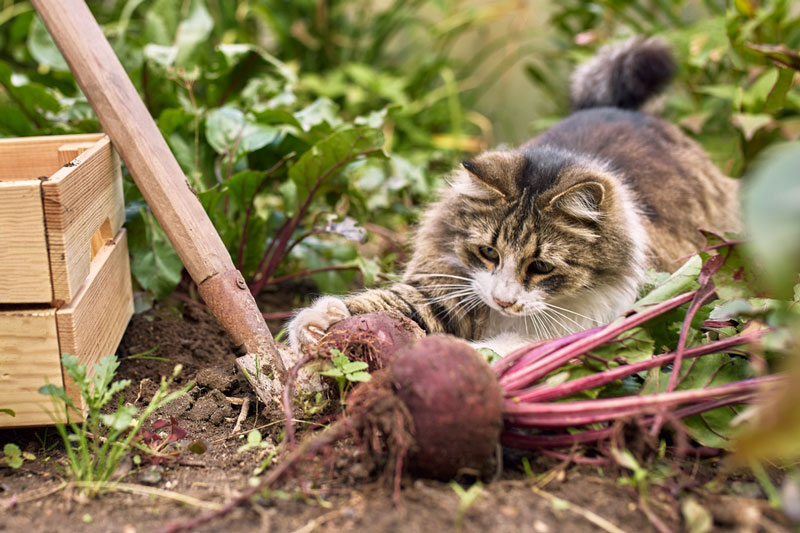
Are you wondering if your furry friend can munch on some beets? Well, let’s get straight to the point: cats can eat beets, but it’s not exactly a common snack for them. Cats are obligate carnivores, which means their diet mostly consists of meat. While beets are not toxic to cats, it’s essential to understand some things before offering them as a treat. So, the quick answer is yes, but with some important caveats!
Beets are colorful, nutritious vegetables that can offer some health benefits, but they should be given in moderation. Imagine your cat, enthusiastically crunching on a beet slice as if it’s the best thing since catnip. Sounds amusing, right? But hold on, there is more to the story. Before you start handing out beet snacks, let us explore the whys and hows of a cat’s diet and how beets fit into it.
So grab a cup of your favorite beverage and relax! We are going to take a closer look at if cats can eat beets, how many they should eat, the benefits and risks, and even some suitable substitutions. You may just learn something to impress your feline companion!
You might also be interested in: Can Cats Eat Peas?
Can Cats Eat Beets?
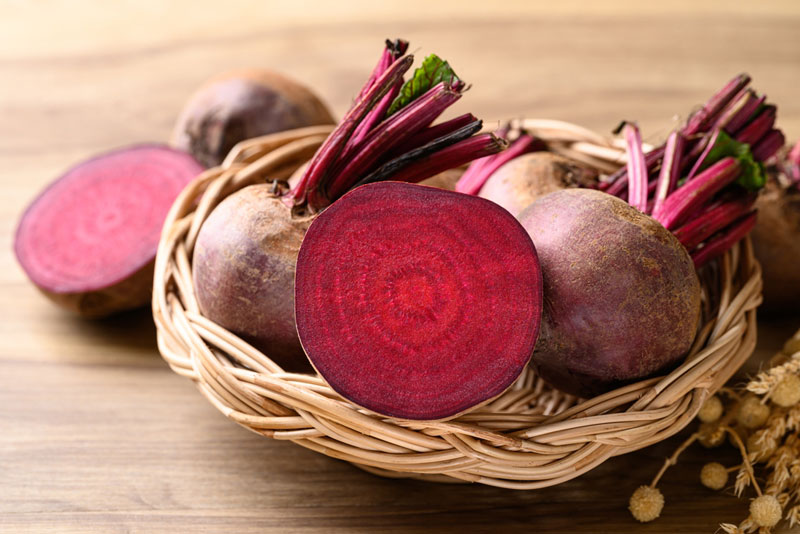
Beets belong to the chard family and are known for their vibrant color and earthy flavor. They are packed with nutrients, vitamins, and minerals, but let’s focus on whether these vibrant veggies can accompany your kitty’s diet safely. Cats can eat beets, and they won’t be harmed if they do. However, being obligate carnivores, cats don’t get much nutritional benefit from them.
We should acknowledge that our furry friends have completely different dietary needs as compared to us humans. Cats thrive on high-protein animal-based foods, which means their primary nutrition comes from meat. While beets provide some vitamins like A and C, and minerals like potassium, these are better suited to herbivores or omnivores. So, even though they can have a little taste of this vegetable, be careful not to make it a regular part of their diet.
If you ever catch your cat sneaking a lick of your beet salad, there’s no immediate reason for panic. But it’s important to keep in mind that, just because cats can eat beets, it doesn’t mean they need to. We should also be cautious about how we prepare them. Raw beets can be tough for cats to digest, while cooked beets are softer and easier for them to chew. Still, we should always remember to offer these as occasional treats and not as an everyday meal. After all, cats are like our adorable little meat-loving vacuum cleaners. They appreciate a carnivorous feast far more than a salad!
How Much Beets Can Cats Eat?
When giving beets to our curious kitties, we want to make sure we do it safely. So how much is considered safe? A simple rule of thumb is moderation. If your cat is trying out beets for the first time, we might want to start with just a small piece, perhaps about the size of a pea. Remember, it’s just a tiny taste, not a full-fledged buffet! Cats have sensitive stomachs, and introducing new foods can sometimes lead to digestive issues.
So, we want to keep our eyes peeled for any unusual symptoms if the new beet treat isn’t sitting well. If your feline buddy seems to have a tummy ache or isn’t acting like their usual self, it’s time to stop the beet snacks. And if we find our cats seem to enjoy beets without any adverse reactions, we might occasionally offer them as a treat—perhaps once a week or less.
Cooking can also change the game a bit. Steaming or boiling beets makes them easier to chew and digest. But remember, no seasonings, butter, or sauces. We want to keep treats simple and clean, just as nature intended! Our goal is always to keep our furry friends healthy and happy. If our kitties aren’t enthusiastic about this vegetable, that’s perfectly okay! There are plenty of other delicious treats that are better suited to their carnivorous cravings.
Ultimately, listen to your feline friend. They have their preferences, and it’s a good idea to be attentive to their reactions to various foods. If your cat turns their nose up at beets, it’s probably best to move on to another snack that brings out their inner diva!
Benefits Of Beets To Cats
1. Vitamins and Minerals: Beets can provide some vitamins and minerals that may be beneficial in small doses for cats. These nutrients, such as vitamins A and C, and minerals like potassium, contribute to overall health. However, keep in mind that cats primarily require nutrients from animal sources.
2. Source of Fiber: Beets are a great source of fiber. While cats don’t have the same fiber requirements as humans, some fiber can help maintain good digestive health. A tiny amount of beet fiber may help your cat’s digestion in moderation.
3. Antioxidants: The antioxidants in beets can support your cat’s immune function. Antioxidants fight free radicals in the body, which can help keep our furry friends healthy. With plenty of variety in our pets’ diets, our cats can reap some benefits, even if they are carnivorous.
4. Bonding Time: The vibrant color of beets can inspire us to think creatively about our pets’ diets and what we offer them. Just because they are meat lovers doesn’t mean we can’t be playful with colors and textures in their food! This can also enhance our bonding time during our mealtimes.
5. Variety in Diet: Lastly, beets can be a fun treat that allows us to change things up in our cats’ diets. Offering a variety of foods ensures that meal times remain interesting for our pets. It’s all about balance, so with a mix of experiences and options, we can keep our furry friends engaged.
Dangers Of Feeding Beets To Cats
While beets may provide some benefits for our furry companions, we should also be aware of potential risks. Beets are high in oxalates, which can contribute to kidney stones in cats. This is particularly important for cats that may be predisposed to urinary problems.
Another concern is that too many beets can lead to digestive upset. Cats have delicate digestive systems, and introducing foods that they aren’t used to can cause vomiting or diarrhea. We never want our furry friends to be uncomfortable after trying something new.
Allergy and sensitivity reactions can occur as well. While it is not common, some cats may not tolerate beets well, leading to allergies manifesting as itching, swelling, or respiratory issues. We always want to be aware of potential allergies when introducing new treats.
As with any food, the key is moderation. We need to remember that treats like beets should only make up a small portion of our cats’ overall diets. If you notice any adverse reactions, it is essential to consult with your veterinarian.
Finally, let’s not forget to be mindful of preparation. Cooking beets without seasonings is important to avoid any toxic ingredients like garlic and onion that can harm cats. It’s always crucial to put your pet’s health first.
Substitute Of Beets For Cats
1. Vegetables: If you’re looking for alternative vegetables, consider carrots. They can be cooked and are safer for cats in moderation without high oxalate content. Just remember to offer them in small bites!
2. Sweet Potatoes: This can also be a great option. While cats still need plenty of meat, sweet potatoes offer vitamins and nutrients without many health risks.
3. Peas: This can provide a little protein and fiber along with fun shapes and colors! They’re easy to prepare and usually well-accepted by our feline friends.
4. Zucchini: This is a soft veggie option that many cats may enjoy. It can be steamed or cooked to make it easy to eat.
5. Fish or Cooked Chicken: Lastly, if you’re looking for a more protein-packed treat, fish or cooked chicken can be ideal options to satisfy our cats’ needs. Make sure they are boneless and skinless, and keep it simple for the healthiest results!
Can Cats Eat Beets? Frequently Asked Questions
Are Beets Safe For Cats?
Yes, beets are safe for cats when given in moderation. They are not toxic, but they should not be a major part of your cat’s diet.
How Often Can I Give My Cat Beets?
Offering beets as an occasional treat once a week or less is fine but keep in mind to monitor any adverse reactions.
Can Cats Develop Allergies To Beets?
Though it’s not common, it is possible for cats to develop allergies or sensitivities to certain foods, including beets.
What Should I Do If My Cat Has Digestive Issues After Eating Beets?
If your cat shows signs of digestive upset like vomiting or diarrhea after eating beets, stop giving them and consult your veterinarian for advice.
Can I Include Beets In My Cat’s Regular Diet?
While it’s okay to give beets occasionally, they should not be included as a regular part of your cat’s diet. Cats primarily need animal protein.
Final Thoughts
In conclusion, cats can eat beets, but moderation is key! We can enjoy sharing our love for food with our furry pals while ensuring their health is always at the forefront. Keep treats like beets fun and occasional to avoid any digestive issues.
If you’re considering introducing beets or other foods to your cat’s diet, consulting with your veterinarian is always a wise choice. We can explore options together while keeping our pets happy and healthy!
For more fun and engaging pet topics, check out our blog for more insights and delightful tips. You can read about other treats that may suit your pets, like chocolate, or discover what others think about pineapple for dogs. Let’s share our journey with our beloved companions and always keep their nutrition a priority! Happy treating!
For more information, check out our blog, or read about cats and brussel sprouts. Always stay curious and informed!