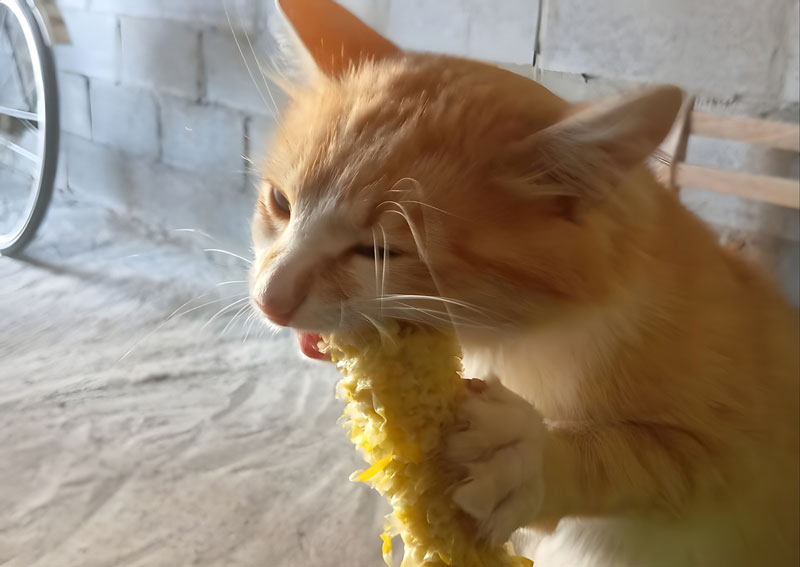
Have you ever wondered if cats can eat corn on the cob? The answer is a bit complex. While corn itself is not toxic to cats, corn on the cob poses a risk. The little kernels of corn can be enjoyed by some cats, but the cob can lead to choking or gastrointestinal blockages. So, serving your feline friend corn directly off the cob is generally not a good idea.
Many people think that since corn is a common ingredient in many pet foods, it’s perfectly fine for our whiskered companions to nibble on corn ears. However, while small amounts of corn can be safe, the kernel-carrying cob isn’t the same story. It’s crucial to consider what types of foods are beneficial and safe for our cats.
Continue reading to discover more about corn, its potential benefits, the risks associated with feeding it to your cat, and healthier alternatives that your furry friend can enjoy. You’ll be armed with all the information you need to keep your beloved kitty safe and happy!
You might also be interested in: Can Cats Eat Corn Husks?
Can Cats Eat Corn On The Cob?
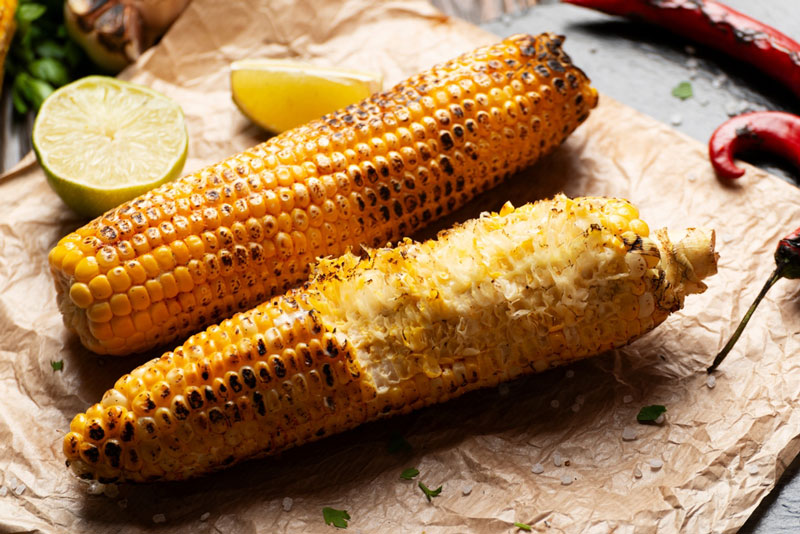
Let’s clarify the relationship between cats and corn. Cats are obligate carnivores, which means their diet primarily consists of meat. Their bodies are designed to process animal proteins and fats effectively. While they can eat some plant-based foods, their nutritional needs are best met with meat-based products. Corn, in this case, is a starch that does not provide the necessary nutrients they require. Corn itself, particularly when it is cooked or processed, is generally not harmful to cats in small quantities. But when it comes to corn on the cob, we should pause and think twice.
The cob of the corn is quite tough and hard. That could lead to several issues if ingested by our furry friends. First and foremost, it could cause choking. Cats are notorious for gobbling their food, and that instinct could land them in trouble if they’re munching on something they shouldn’t. Choking can happen quickly and may require immediate vet intervention. In addition to choking hazards, the cob can cause digestive blockages, which can be very serious and potentially life-threatening. So, as tempting as it might be to share a cob with our cats, it is much safer to refrain from doing so.
How Much Corn On The Cob Can Cats Eat?
When considering how much corn can a cat safely eat, moderation is the key. Corn on the cob is not suitable, but the kernels themselves can be offered in small amounts. If your kitty is curious about corn, a few cooked kernels now and then as a small treat is generally acceptable. Remember, though, that every cat is different. Some may have sensitivities to grains or even specific allergies.
How do we measure moderation? Well, it usually depends on the age, size, and overall health of our cats. A kitten may require a different approach than an older cat. Generally, if we introduce any new food, including corn, we should start with a tiny amount. Observe if our furry friend enjoys it or reacts somewhat negatively; we want to watch for symptoms like vomiting or an upset stomach.
The safest amount for a cat could be one little kernel or two, mixed with their regular cat food to minimize the risk of digestive issues. It’s vital to keep the focus on their primary diet: meat. A diet that includes too many fillers can lead to health problems, including obesity and nutrient imbalances.
If you find that your kitty does enjoy the sweet taste of corn, consider limiting these treats to just once a week at most. Remember that the bulk of their daily calories should come from high-quality cat food that’s designed to meet their specific dietary needs. In conclusion, while corn may not be harmful in small amounts, it’s not a necessary food in their diet. We should always prioritize their health and well-being.
Benefits Of Corn On The Cob To Cats
1. Though corn isn’t a primary food source for cats, it does have some advantages as an occasional treat. First, corn is a source of carbohydrates. While meat is essential, carbohydrates can provide energy. In the wild, however, cats obtain this energy primarily from the food they hunt rather than plant sources.
2. The kernels of corn contain some vitamins and minerals. Corn can offer small amounts of Vitamin B, which is vital for energy metabolism, and certain minerals like magnesium, which is beneficial for bone and muscle health. Still, the most crucial vitamins should come from their main source of protein.
3. Cats might find corn to be an enjoyable texture and taste. It can be fun to watch our cats nibble at something new. This can enrich their life with new experiences. Just be aware that they should stick to occasional bits rather than pieces that could pose risks.
4. Corn is gluten-free! For cats who may have sensitivities to gluten, a small corn kernel treat can be a way for them to enjoy the flavor of a “grain” without the downsides of traditional cat food. Still, we have to be diligent about moderation and balance.
5. Sharing corn with our cats can be a bonding experience. If your cat is curious while cooking or eating, allowing them to have a taste can build trust and strengthen our bond. This human-animal interaction is often comforting for both parties.
Dangers Of Feeding Corn On The Cob To Cats
While feeding your cat corn may seem harmless, there are risks associated with corn on the cob. Corn cobs are hard and indigestible. If our feline friends were to chew on a cob, the entire piece could become lodged in their throat or digestive tract. This is particularly concerning for kittens, who may not chew their food, leading to deadly situations like choking.
As we’ve mentioned before, the cob can lead to gastrointestinal blockages. This can prevent food from passing through the intestines, leading to discomfort, pain, and, in severe cases, requiring surgery for removal. Cats may show signs of distress, including repeated vomiting, lethargy, or not wanting to eat.
Another critical point to consider is allergies or sensitivities. Some cats have different dietary needs or even existing allergies, and feeding them corn can potentially trigger an allergic reaction. Symptoms may include itching, inflammation, or gastrointestinal issues.
Additionally, corn has a high glycemic index, which means that it could impact a cat’s blood sugar levels if consumed in higher amounts. This is a concern for cats already at risk for diabetes, primarily since they primarily thrive on protein-rich diets.
In conclusion, the risks of feeding corn on the cob far outweigh any potential benefits. We have to keep a close eye on our pets and their eating habits, ensuring they aren’t munching on things that could compromise their health.
Substitute Of Corn On The Cob For Cats
1. Cooked Meat: If we want to give our cats a treat that is safe, consider offering cooked meat instead. Chicken, turkey, or fish can provide essential proteins that cats thrive on. These foods can be cut into cat-sized pieces and are more nutritious options.
2. Cooked Carrot or Peas: For a crunchy snack, try giving our kitties some small pieces of cooked carrots or peas. They may enjoy the texture more than corn and benefit from additional nutrients.
3. Pumpkin: Another fantastic alternative is plain pumpkin puree. Pumpkin can help with digestion and is a common natural remedy for constipation in cats. Just make sure it’s plain and not flavored.
4. Treats Cat-friendly treats are a fabulous choice. Many pet stores sell treats designed with feline health in mind. Checking the ingredients can ensure they’re safe and beneficial.
5. Cat Grass: Finally, we can grow cat grass (like wheat grass) at home. This gives our cats a natural outlet for their chewing instincts and has health benefits while keeping them from munching on unsafe items like corn. Cat grass can be fun and safe for them, delivering not only vitamins but also promoting healthy digestion.
Can cats eat Corn On The Cob? Frequently Asked Questions
What If My Cat Ate Corn On The Cob?
If your cat happened to nibble on a corn cob, monitor them closely for any signs of distress. It’s a good idea to call the vet for guidance based on their size and what they consumed.
Can My Cat Eat Popcorn?
Plain, air-popped popcorn can be a fun treat, and it’s safe if unsalted and unbuttered. Feed only a few popped kernels instead of any that remain unpopped.
Is Corn A Common Allergy For Cats?
While not one of the most common allergens, some cats can be allergic to corn. If your cat shows signs of discomfort after eating corn, consult a veterinarian.
My Cat Loves Corn; Should I Stop Giving It To Them?
While it may be tempting to give them what they enjoy, moderation is essential. If they insist on corn, offer only the kernels, not the cob, and limit it as an occasional treat.
What Are Healthier Treat Options For Cats?
Consider offering small amounts of chicken, cat-friendly treats, or veggies like cooked carrots or peas. These are safer alternatives to corn on the cob.
Final Thoughts
In conclusion, we’ve learned that while corn has its advantages, feeding our cats corncobs is not safe. Understanding the needs of our pets allows us to provide better care and choices. There are plenty of fruits and veggies that our cats can enjoy in moderation, but it’s essential to stick to their primary diet: protein-rich foods.
Moreover, always check with your vet if you are unsure about introducing new foods into their diet. Our furry friends rely on us to provide the best for them, and it helps keep their tails wagging and their purrs loud. If you’re interested in more topics on pet care, feel free to explore the following links for more interesting reads! You might find helpful information about cats meal that can add to our understanding! Happy feeding!