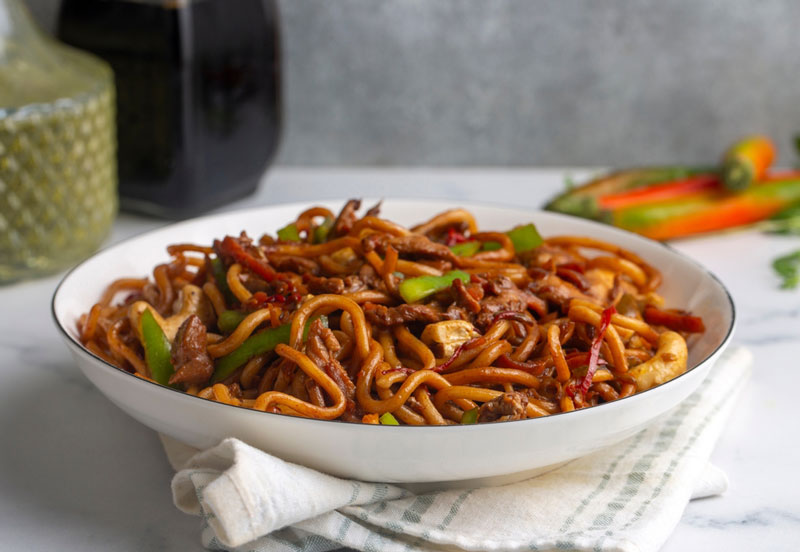
Are you wondering, can cats eat noodles? Well, cats are not known for their love of pasta, but the good news is that it is generally safe for them to eat in small amounts. Noodles are not toxic to our furry friends, so if your kitty manages to snag a bite from your plate, there’s no need to panic. However, just like with many human foods, moderation is key to keeping our cats healthy and happy.
There are many debates surrounding what we should and should not feed our pets. Some foods, like chocolate or onions, are definitely off-limits, while others, like plain cooked chicken or fish, are safe and nutritious. Noodles fall somewhere in between. While they can be a harmless treat for our cats, there are a few things to keep in mind if we want to share our favorite noodle dish with them. Noodles have no nutritional value for our feline friends, and it’s important that we pay attention to their overall diet. So, can we really let our cats indulge in this chewy goodness? Let’s explore that further.
We’re here to answer all your questions, clarify any worries, and help you understand what it means for your feline companions. Make sure to read on as we dive deep into the subject of cats and noodles, examining everything from how much is safe for them to eat to any risks involved. You’ll be a noodle expert in no time!
You might also be interested in: Can Cats Eat Spaghetti?
Can Cats Eat Noodles?
As we mentioned, cats technically can eat noodles, and many cats might be curious about them once they catch a whiff of the delicious aroma wafting from our bowls. Cats are obligate carnivores, which means their diet primarily consists of meat. While they can ingest plant-based foods like noodles in small quantities, it isn’t necessary or natural for their diet. Most of the time, our feline companions get all the nutrients they need from quality cat food, which contains the right balance of protein, vitamins, and minerals.
If we do decide to give our cats a little taste of noodles, we want to keep a few things in mind. First, make sure the noodles are cooked plain and without any sauces, spices, or seasonings that could upset their stomachs. For instance, garlic and onions are toxic to cats, and a marinara or cream sauce could create digestive issues. Stay on the safer side and opt for plain, unseasoned noodles.
Curiosity is natural, and many cats will want to steal a bite of whatever their humans are eating. If we notice our kitty’s paw extending toward our pasta, we might feel tempted to let them have a taste. Just remember that it’s important to monitor how our pets respond after trying out new foods. If they appear uncomfortable or exhibit any signs of distress, it’s best to refrain from offering noodles again in the future. In general, the occasional noodle shouldn’t harm them, but we should always stay vigilant and prioritize their health and well-being.
How Much Noodles Can Cats Eat?
Now that we know cats can eat noodles, the big question is, how much is alright for our four-legged friends? Moderation, as mentioned earlier, is crucial. Feeding our cats a small spoonful of plain, cooked noodles won’t hurt them, but large portions can pose problems. A bigger serving could lead to digestive issues, diarrhea, or even an upset stomach. It’s best to treat noodles as an occasional snack rather than a main course.
As pet owners, we want to ensure that treats and snacks are provided in a way that aligns with our pets’ dietary needs. The ideal amount of noodle a cat can consume is about a teaspoon to a tablespoon depending on its size. A small amount allows for curiosity and taste without putting our kitty at risk for excess calories or those pesky bellyaches.
To help us gauge how much to feed our feline friends, let’s consider their overall diet. The average adult cat requires about 20 calories per pound of body weight daily to maintain their weight and energy levels. If our cats weigh around ten pounds, they need approximately 200 calories each day. A tablespoon of plain cooked noodles only contains about 25 calories, meaning we can fit in a little noodle treat without going overboard on their daily intake.
If your cat is being introduced to noodles for the first time, it’s wise to start with a very small amount and observe its behavior before allowing more. If everything goes well and they enjoy their treat, we can gradually increase the portion size to match their appetite and reaction. Just be cautious and keep an eye out for adverse reactions or changes in their behavior after consuming noodles.
While sharing our love for noodles is fun, we should also recognize that there are many other ways we can treat our cats. We may not need to share our meals at all. Instead, we could look into high-quality cat treats or make some homemade options that cater to the taste buds of our furry companions! The sky’s the limit when it comes to making our pets happy.
Benefits Of Noodles To Cats
1. Helps Stimulate Curiosity: There are a few advantages to sharing a small portion of noodles with our cats. First off, indulging in human-like foods can be exciting for them! Exploring different flavors and textures helps stimulate their curiosity and keeps mealtime interesting.
2. Encourage Picky Eaters: For picky eaters, a treat like plain noodles might encourage them to eat, especially if they find their regular cat food unappealing. Adding a bit of noodle to their meal may prompt them to dive into their dish and consume the nutrients they need.
3. Mental Stimulation: Noodles can also provide mental stimulation. Treating our cats occasionally to something different can help break the routine, making mealtime feel less monotonous and more engaging. If we enjoy cooking with our pets, this experience can be bonding and create lasting memories.
4. Bonding Moment: If we’re in the kitchen and our cats come to visit, we may appreciate their company while we whip up our favorite pasta dish. It gives us a chance to connect with our pets as they hang around, wanting to share some moments together.
5. Positive interactions during mealtime: Lastly, sharing small, safe treats fosters our relationships with our furry friends. They feel included and loved, solidifying the bond we cherish with them. Positive interactions during mealtime are beneficial not only for them but also for us, creating a harmonious atmosphere at home.
Dangers Of Feeding Noodles To Cats
As delightful as it is to think about letting our furry friends enjoy a noodle now and then, there are some risks we should be aware of. The first and foremost risk is related to carbohydrates. Cats are obligate carnivores, and their digestive systems are not designed to handle large amounts of carbs. Excess consumption could potentially lead to obesity over time or impact their blood sugar levels negatively.
Another reason for concern is the ingredients used to make the noodles. Most noodles available in stores contain flour and may have additives that aren’t suitable for cats. If we share a bite of our pasta smothered in sauce or flavored with various herbs, it could cause digestive upset and even food poisoning in our feline companions.
In certain cases, cats could also have allergic reactions to certain ingredients found in noodles or packaging contaminants. A sudden change in diet can lead to vomiting, diarrhea, or other health issues. Therefore, understanding our cat’s unique dietary requirements and potential allergies is essential.
Let’s also consider that sharing human food might encourage our cats to beg for scraps or show interest in our meals more often, which can lead to unhealthy eating habits and conflicts during mealtimes. Giving one small treat can open a floodgate of requests, making it challenging to monitor their daily intake. Thankfully, we can avoid this behavior entirely by providing healthy snacks specifically created for cats.
All things considered, while the occasional noodle treat might be harmless, we must keep in mind the potential consequences that go along with it. Cats thrive on balanced diets made up of protein-rich foods, so any human food should complement their meals rather than replace them.
Substitute Of Noodles For Cats
1. Cooked Chicken: Instead of noodles, one excellent substitute is plain, cooked chicken. Meat is the heart of a cat’s diet, and they enjoy the tender, juicy taste of chicken. Not only does it offer higher nutritional value, but it typically gets a much more enthusiastic response from our furry pals!
2. Cooked Fish: Another great alternative is plain, cooked fish like salmon or tuna. Fish can offer a boost in omega-3 fatty acids, making it a tasty option for our kitties. Just remember to remove any bones, as they can pose choking hazards or even lead to digestive blocks. Fish is usually a crowd-pleaser and can make for a delightful treat!
3. Vegetables: For our vegetarian-loving cats, certain vegetables like steamed broccoli or peas can be delightful. These veggies, offered occasionally and in small amounts, can add some fun to a kitty’s diet without the concerns surrounding noodles.
4. Catnip or Cat Grass: We can also consider catnip or cat grass as substitutes. These natural plants allow our cats to chew on something safe while still enhancing their overall health. Cats love the taste, and it’s a safe option to keep around, so they get their fix in a way that won’t upset their stomachs.
5. High-quality Cat Treats: Lastly, there are plenty of high-quality cat treats available in pet stores. These treats are formulated to provide essential vitamins and nutrients, making them a safer alternative while still being fun and tasty for our feline friends.
Can Cats Eat Noodles? Frequently Asked Questions
Can All Cats Eat Noodles?
While most cats can eat noodles in moderation, each cat is unique. If your cat has specific health issues or allergies, it is always best to consult with the veterinarian before introducing new foods, including noodles.
Are Cooked Noodles Better For Cats Than Raw Noodles?
Yes! Cooked noodles are easier for cats to digest. Raw noodles could cause tummy troubles, as they contain ingredients that are not suitable for cats, and they may be more challenging for them to chew.
How Often Can I Give My Cat Noodles?
Noodles should be reserved as an occasional treat, rather than a regular snack. A teaspoon-sized portion once in a while is plenty to satisfy your cat’s curiosity without compromising its health.
Can Cats Be Allergic To Noodles?
Any food can trigger an allergic reaction in cats. While it’s rare, some cats may experience an allergy to wheat or gluten, which is found in many noodles. Watch for signs of allergies such as itching, vomiting, or discomfort after consumption.
What If My Cat Doesn’t Like Noodles?
If your cat turns its nose up at noodles, that’s perfectly fine! Remember that cats have unique tastes and preferences. It’s better to explore other treat options that they may enjoy more!
Final Thoughts
Noodles can be a fun and engaging food to share with our cats, but moderation is key! Always keep their unique nutritional needs in mind when introducing new treats to their diet. Observing our feline friends’ reactions can help us gauge if we should continue to incorporate noodles into their occasional snacks.
If you’d like to explore more dietary topics for your furry friend, you might find our other articles helpful, like understanding more about what foods are safe for cats in can cats eat ramen noodles? There are many interesting insights to discover. Healthy pets equal happy owners!