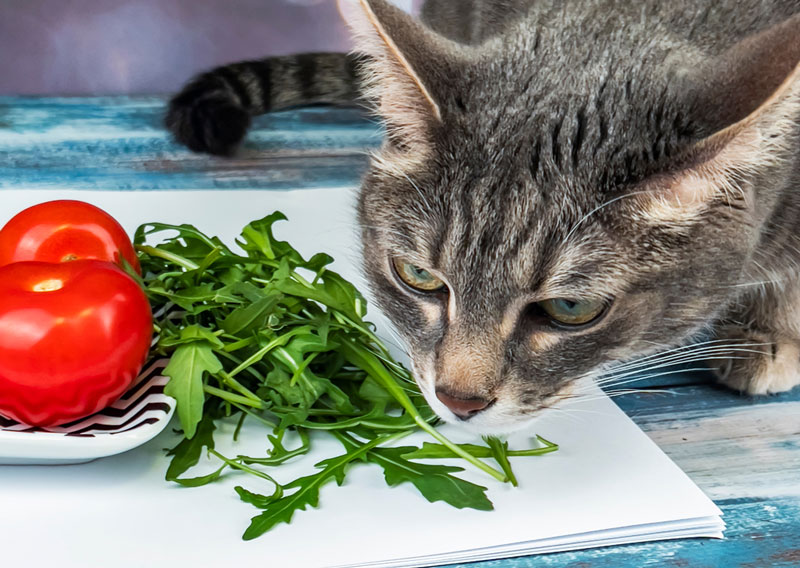
Are you wondering if cats can eat arugula? Well, you’re in the right place! The answer is yes, cats can indulge in arugula, but with a few caveats. As herbivores, cats are naturally inclined to have meat-based diets. However, they can munch on small amounts of certain greens like arugula. In this article, we will dive deep into the details of whether arugula is suitable for your feline friend.
Arugula is not only safe for cats, but it also comes with some potential benefits! This leafy green is packed with vitamins and minerals that can contribute to your cat’s overall health when consumed in moderation. However, overindulgence could lead to some tummy troubles. So, we will explore how much arugula is appropriate and what it can mean for your kitty’s health.
Now, grab a comfy seat and keep reading! We have plenty of exciting information lined up for you about arugula and your feline companion’s nutritional needs!
You might also be interested in: Can Cats Eat Brussel Sprouts?
Can Cats Eat Arugula?

To put it simply, yes, cats can eat arugula! But why are cats inclined to nibble on greens such as arugula in the first place? Cats are obligate carnivores, meaning that the bulk of their diet should consist of meat. But you might notice that they sometimes munch on plants. It’s thought that these greens can aid in digestion and support their overall health. Plus, cats are curious creatures! They love to explore and nibble whatever they find in their vicinity, which can include-houseplants and vegetables, like arugula.
Arugula, also known as rocket, is a leafy green with a peppery taste that makes it a popular choice among humans for salads and dishes. In small amounts, arugula can offer certain nutritional benefits to cats. It contains vitamins A, C, and K, as well as calcium and iron. However, it is crucial to keep portion sizes in check and to consider your cat’s overall diet. Too much of any new food can potentially lead to digestive issues or an upset stomach. Always introduce new foods one at a time and in moderation. It is also important to wash arugula thoroughly to eliminate any pesticides or chemicals that might pose risks to your pet.
How Much Arugula Can Cats Eat?
When it comes to feeding arugula to your feline friend, moderation is key! Like humans, cats can have their unique preferences and tolerances to different foods. While arugula is safe to consume, we should ensure it doesn’t exceed a small part of their overall diet. Start with just a tiny amount – a few leaves will do! Observe how your cat reacts. If they enjoy the taste and show no signs of gastrointestinal upset, you can continue to offer it, but stick to small portions.
In general, leafy greens like arugula should make up no more than 10% of your cat’s diet in a given week. Their main source of food should always be high-quality cat food, which provides the essential nutrients they need to thrive. You can treat arugula as a snack or occasional supplement rather than a meal replacement. Also, if you have any concerns about your cat’s health or dietary needs, don’t hesitate to consult your veterinarian for guidance.
It’s also a great idea to incorporate a variety of greens in low amounts rather than just focusing on a single type. So, don’t just stop at arugula! You could consider other cat-safe greens like spinach or cat grass, which might be a hit with your furry friend as well. This approach keeps your cat’s diet diverse while also catering to their curiosity. Remember, the ultimate goal is to ensure a balanced and healthy diet for your beloved pet!
Keep an eye on the reactions after your cat consumes arugula for the first time. Some cats may experience an upset stomach, diarrhea, or lethargy. If anything seems off, don’t hesitate to reach out to your vet immediately. They can provide expert advice, and they may suggest eliminating arugula from your kitty’s diet entirely if it doesn’t agree with them.
Benefits Of Arugula To Cats
1. Increased Nutrient Intake: Arugula is packed with essential vitamins and minerals that contribute positively to your cat’s overall health. It contains vitamins A, C, and K. Vitamin A helps support vision and immune function, vitamin C is vital for overall health, and vitamin K plays an essential role in blood clotting. By offering a small amount of arugula, you’re allowing your cat to benefit from additional nutrients that they wouldn’t typically receive from a meat-based diet.
2. Aids Digestion: Cats can have sensitive stomachs, and the fiber found in arugula can offer some digestive support. Fiber can help with bowel regularity and possibly prevent constipation. A healthy gut contributes to your cat’s overall health and comfort, and incorporating small amounts of greens can sometimes aid in that process.
3. Adds Variety to the Diet: Even though cats are meat-eaters, it can be beneficial to introduce new foods occasionally. Cats can be creatures of habit, preferring the same kibble over and over. By adding arugula as a treat, you’re encouraging them to explore different tastes and textures, which can help make mealtime feel more exciting!
4. Hydration: Although arugula is not primarily composed of water, incorporating fresh greens into your cat’s diet may help increase their overall moisture intake, which is vital for their health. Hydration is essential for all living beings, so while arugula shouldn’t be your cat’s main source of water, it can provide an extra boost in their daily hydration.
5. Social Interaction: Sharing food can be a bonding experience. By offering arugula as a special treat and engaging with your cat during mealtime, you foster a positive interactive experience. Whether your cat plays with it, sniffs it, or munches on a tiny bit, you both get a moment of fun! Plus, you’ll be more in tune with your kitty’s likes and dislikes when it comes to food.
Dangers Of Feeding Arugula To Cats
While arugula can be a safe addition to some cats’ diets, we should always be cautious of the potential risks associated with introducing new food items. It’s essential to keep these considerations in mind. First, not every cat will react positively to arugula, as each feline has their quirks and tastes.
One of the primary concerns is that too much arugula might lead to gastrointestinal upset. If your cat indulges in a significant amount, they might experience diarrhea, vomiting, or general discomfort. Always start with small portions and monitor how they respond. If they experience an adverse reaction, discontinue offering arugula and consult your vet.
Another aspect to consider is the possibility of allergies. While allergies in cats are relatively uncommon, they can occur, and introducing a new food can trigger a reaction. Observe your furry friend for any signs of an allergic reaction, including itching, swelling, or gastrointestinal issues. If you notice any of these symptoms, reach out to your veterinarian for proper assessment and guidance.
Additionally, arugula contains some compounds that, while generally safe in moderation, could be harmful if consumed in excessive quantities. Components called oxalates can influence kidney function and can be harmful to some cats, particularly those with pre-existing kidney conditions. So it’s vital to err on the side of caution. Always stick to small amounts and consult your vet if you are unsure.
Lastly, remember to wash any fresh greens thoroughly before offering them to your furry friend. Arugula can sometimes be treated with pesticides, which are harmful to cats. Make sure it’s clean and safe for your pet! Ultimately, keeping their health and well-being as the utmost priority means closely monitoring their diet and being aware of any changes.
Substitute Of Arugula For Cats
1. Spinach: This leafy green can be a delightful treat for your cat. Like arugula, spinach is also rich in vitamins and minerals. Just like with arugula, watch your cat’s reaction to it and stick to small portions.
2. Cat Grass: Cat grass is often a hit among cats! It’s 100% safe for them and is an excellent addition to their diet. Cat grass can improve digestion and relieve hairballs, making it a suitable substitute for arugula.
3. Kale: Raw kale offers a different texture and flavor for your kitty to explore. While it is not toxic, it should still be offered in moderation, and make sure it’s finely chopped to help them with eating it.
4. Wheatgrass: Similar to cat grass, wheatgrass is another safe green for our feline friends. It’s packed with nutrients and can enhance their digestion. Offering small amounts can help keep things interesting!
5. Broccoli: While not a leafy green, small pieces of steamed broccoli can present another healthy and safe substitute for your cat. It’s high in fiber and vitamins, providing yet another way to supplement your pet’s diet.
Can Cats Eat Arugula? Frequently Asked Questions
What Should I Do If My Cat Eats A Lot Of Arugula?
If you notice that your cat has eaten a large amount of arugula, keep a close eye on them. Look for signs of digestive discomfort like vomiting or diarrhea. If you see any concerning symptoms, reach out to your vet for advice!
Are There Any Greens That I Should Avoid Giving To My Cat?
Absolutely! Certain greens, like onions, garlic, and chives, are unsafe for cats and can be toxic. If you’re unsure about any green, it’s best to check with your vet.
How Can I Introduce Arugula To My Cat Safely?
Start small! Begin with one or two leaves and watch how your cat responds. If they enjoy it and show no signs of discomfort, you can continue to offer it as an occasional treat.
Why Do Some Cats Like To Eat Grass?
Cats might eat grass to aid with digestion, to induce vomiting for hairballs, or simply out of curiosity. Grass can help stimulate their digestive system and provide the fiber they might need!
Final Thoughts
In conclusion, cats can enjoy the occasional nibble of arugula without any major concerns, provided it remains within reasonable amounts. As responsible pet owners, we want to ensure that our feline friends are getting the health benefits of a diet that includes the right nutrients while being mindful of any risks associated with new foods. Whether it’s exploring different flavors or the adventure of offering new greens, every treat is an opportunity for connection and bonding.
For more engaging and informative content, consider checking out our articles on pet health and nutrition or learn whether cats can eat broccoli. We’re proud to share knowledge to help make your furry companions live their happiest and healthiest lives!