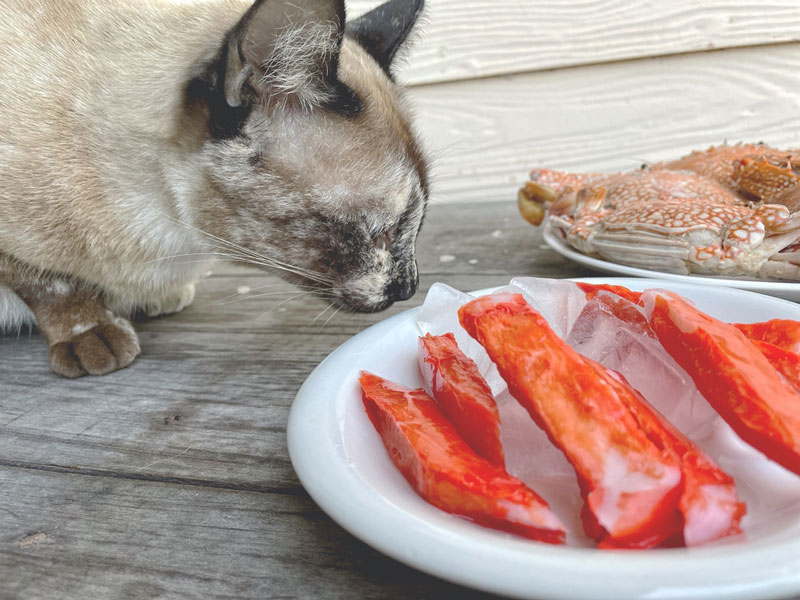
Have you ever wondered if cats can eat imitation crab? If so, you are in the right place! The answer is not a simple yes or no. While cats are obligate carnivores and can eat a variety of foods, imitation crab, made from surimi and other ingredients, is not the best choice for our feline friends. So, what’s the deal with imitation crab and our whiskered companions? Let’s dig deeper into this fishy question.
Just like us, our furry friends can manage a bit of variety in their diets. Cats are known for their playful and picky eating habits, which sometimes leads to curious choices. Imitation crab might look appealing to them, but it’s important to note that it doesn’t hold the same nutritional value as real crab meat. Stick around as we explore the world of imitation crab and its effects on our cat companions!
So, grab your favorite drink, maybe a snack (not imitation crab, though!), and let’s tackle the burning questions around the topic of cats and imitation crab. Sure, we may be cat lovers at heart, but we also want what’s best for our little furballs. Let’s jump into the details!
You might also be interested in: Can Cats Eat Blackberries?
Can Cats Eat Imitation Crab?
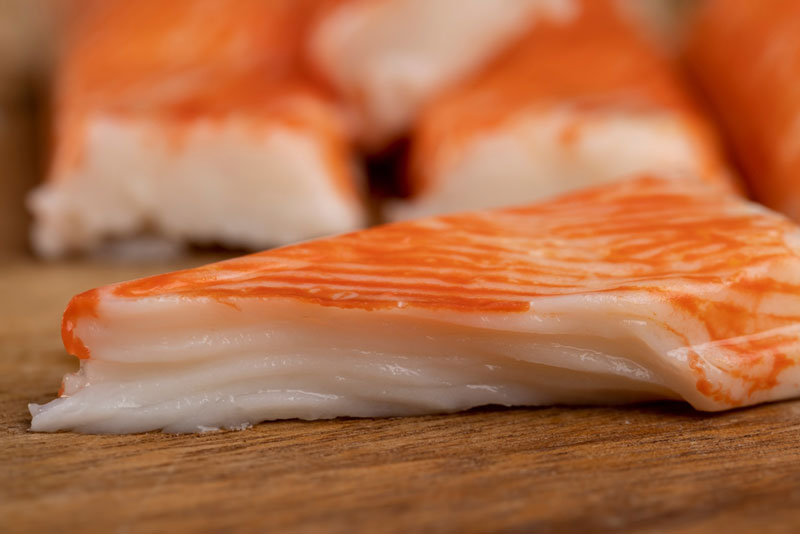
When we think about what our cats should eat, there are tons of options. However, imitation crab can raise an eyebrow or two. Imitation crab is usually made from surimi, which is a processed seafood product primarily derived from white fish like pollock. It’s flavored and colored to mimic the taste and appearance of crab, making it a popular substitute in dishes like sushi or crab salads. But how does this affect our four-legged friends?
For starters, cats need a meat-based diet. They thrive on proteins from animal sources, and while imitation crab might seem like a fun treat, it lacks the essential nutrients that real crab offers. Real crab is packed with protein and omega-3 fatty acids, which can be beneficial for cats’ skin and coat health. On the flip side, imitation crab has fillers and additives like starch, sugars, and flavoring agents, which could cause more harm than good for your feisty feline.
While eating small amounts of imitation crab likely won’t harm your cat, it’s not a recommended regular snack, nor does it provide the benefits found in genuine seafood. We all love to spoil our pets with treats, but knowing what’s healthy is essential. If your cat sneaks a taste of your imitation crab salad while you’re not looking, don’t panic; just make sure to monitor them for any adverse reactions.
How Much Imitation Crab Can Cats Eat?
Now that we’re aware that our cats should ideally avoid imitation crab, let’s consider how much they might consume if they do happen to get some. If you’ve ever thought about sharing your food with your feline friend, maybe you’ve felt guilty watching those cute little eyes stare at you while you eat. Even if it appears harmless, moderation is key!
As a wise pet owner, you might wonder: How much imitation crab would be safe for my cat? As a general rule, if you feel tempted to let your cat have a little nibble of imitation crab, keep it to an absolute minimum. A tiny piece as a rare treat once in a blue moon is probably fine, but we should definitely keep it to what we consider a cat-sized portion.
It’s essential to think about what kinds of ingredients are included in the imitation crab. If you are picking a store-bought option, check for artificial flavors and additional preservatives. Feeding your cat anything with artificial ingredients isn’t a good idea. Instead, opt for a pure protein source. If your cat’s diet is balanced and healthy, an occasional bite might not hurt but should never become a regular addition.
When sharing food with your furry buddy, it’s important to highlight that cats have different nutritional needs than we do. Their digestive systems are not built for foods that are high in processed ingredients or carbohydrates, such as those found in imitation crab. It’s vital to keep a close eye on how your cat reacts to the limited quantities of any new treats you introduce.
In conclusion, if your cat has a tiny piece of imitation crab now and then, they’ll probably be alright. But it’s best to stick to their regular cat food and real-meat treats whenever possible. Always consult with a veterinarian for specific recommendations regarding your beloved pet’s diet.
Benefits Of Imitation Crab To Cats
1. Imitation crab may have some flavor appeal: You know how cats can be finicky eaters, right? Sometimes, we need a little creativity to keep mealtime interesting. If they get a tiny bit of imitation crab just to mix things up, they might enjoy it. That’s as long as we don’t make it a habit!
2. Imitation crab is generally safe in moderation: Sharing small amounts with your cat isn’t likely to cause any harm, especially if your vet says it’s okay. Just keep it occasional and make sure it’s not taking away the nutritional balance your cat needs.
3. It can provide a different texture: Cats can be particular about their food, and sometimes changing up textures can pique their interest. If you slice it into tiny bits, your kitty might find it interesting. Just be cautious; we don’t want to spoil their preferred cat cuisine!
4. It’s easily available: If you are out and about and don’t have typical cat treats on hand, imitation crab is often readily available at grocery stores. However, this advantage comes with finding healthier alternatives that are better suited for our furry friends.
5. It can be fun for you: Watching our furry buddies get excited about new flavors and food can be enjoyable for us too. It’s essential to make mealtime a pleasant experience while keeping our little pals safe and healthy.
Dangers Of Feeding Imitation Crab To Cats
While we may find imitation crab intriguing, we must also learn about the risks involved. It’s always better to be safe than sorry when it comes to our four-legged buddies. One significant risk associated with imitation crab is the potential for allergic reactions. Just as humans have food allergies, our pets can be susceptible to them, and imitation crab might trigger a reaction. Symptoms could include vomiting, diarrhea, or changes in behavior.
Another major issue lies in the additives and preservatives that may be present in imitation crab on the market. Some brands include undesirable ingredients or fillers that don’t belong in a cat’s diet and could lead to digestive upsets. Remember, cats don’t need the extra flavor enhancers that might be in imitation crab. Stick with real meat products to avoid any unwanted surprises!
Over time, consuming imitation crab can contribute to an unbalanced diet. Cats need specific nutrients that they may miss out on when relying on processed seafood. If they start to favor imitation crab instead of proper cat food, they may not be getting all the vitamins and nutrients necessary for their health.
Weight gain is always a concern for our furry friends. If they start getting accustomed to treats — even those that seem harmless — it could lead to weight issues. When our kitties become overweight, it could lead to other health problems down the road.
Lastly, some imitation crab products can be overly salty, which is not suitable for kitties. Cats’ kidneys are sensitive to sodium, and having too much salt could harm their overall health. Keeping an eye on sodium levels is vital for keeping your cat healthy and happy.
Substitute Of Imitation Crab For Cats
1. Real Crab Meat: is an excellent alternative if you want to share seafood with your cat. Just make sure it’s cooked, fully cleaned, and contains no added spices, seasonings, or sauces that could be harmful.
2. Cooked fish: such as salmon or tuna, is another delicious treat for kitties. While it’s best offered in moderation, these fish options contain nutrients that contribute to heart and brain health, plus cats often love the flavor!
3. Chicken: This is a great protein source for cats. It’s readily available and can be served in many forms. Just cook it up sans seasonings, and we can share it as a yummy treat!
4. Turkey: This is another excellent substitute that many cats enjoy. Like chicken, turkey offer nutritious protein and is safe when cooked without any additives.
5. Treats: specifically designed for cats can be an excellent way to keep mealtime exciting without the risk of harmful ingredients. They come in various flavors that cater to many feline tastes, and we can feel good about what we are sharing!
Can Cats Eat Imitation Crab? Frequently Asked Questions
Can My Cat Eat Crab Meat?
Yes, but only in small amounts! As always, don’t make it a regular occurrence, and ensure no seasonings are included.
What Else Can I Safely Share With My Cat?
Many cooked meats, such as chicken or turkey, are safe for cats. For a seafood option, consider offering small pieces of cooked fish.
Can Imitation Crab Be Dangerous For Cats?
It can be if consumed frequently due to additives like sodium or other ingredients that are not suitable for cats. It’s best to keep imitation crab as an occasional treat.
What Types Of Seafood Should I Avoid For My Cat?
Raw seafood, including oysters and clams, should always be avoided. Additionally, avoid heavily seasoned or fried seafood products.
Can I Give My Cat Tuna Every Day?
Not every day! Tuna can offer some benefits but should only be given as a sporadic treat due to the risk of mercury exposure.
Final Thoughts
As cat lovers, we naturally want to share everything with our beloved pets. Although imitation crab is not toxic to cats, it’s wise to rethink whether it’s a good idea. Our kitties need proper nutrition to thrive and enjoy long, healthy lives, and treats like imitation crab don’t fit the bill. By sticking with safe alternatives like real seafood or chicken, we can keep our standards high while keeping our little companions happy.
We encourage you to turn your attention to different topics on caring for your furry friends on our blog, where you can explore various articles like pet care tips, or read an exciting post about whether cats can eat scallops. Exploring these topics will undoubtedly help all of us become better pet parents, ensuring the health and happiness of our furry family members!