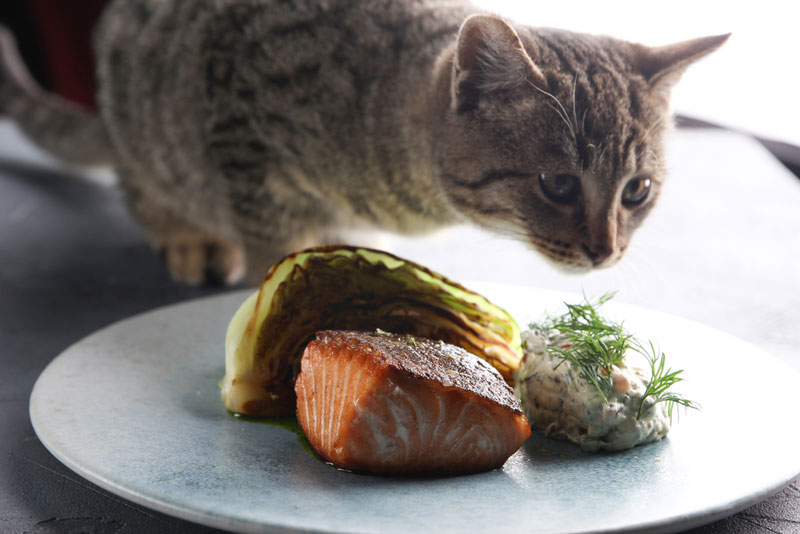
Have you ever wondered if our feline friends can enjoy a tasty treat like smoked salmon? Well, the answer is yes, cats can eat smoked salmon, but there are important things to think about before sharing this delicious fish with them. While smoked salmon can be a fun addition to their diet, we need to ensure it’s safe and healthy.
Smoked salmon has a rich flavor that many cats might find irresistible. Cats are obligate carnivores, which means they need meat in their diet, and salmon is packed with protein and omega-3 fatty acids. However, it’s crucial to understand just how much smoked salmon they can have and the potential risks it may carry. Understanding these factors will help us make better choices for our furry pals.
So, if you’re curious about how to safely treat your cat to some smoked salmon, stick around! We’ll explore the ins and outs of this delightful fish and its implications for our beloved pets.
You might also be interested in: Can Cats Eat Sashimi?
Can Cats Eat Smoked Salmon?
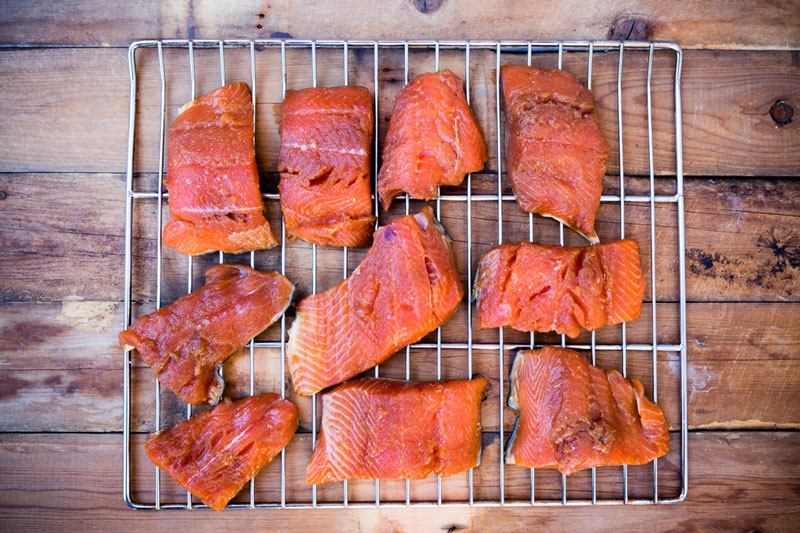
Smoked salmon is known for its distinctive, rich flavor and is often featured in appetizers and fancy dishes. But can our feline companions join us at the table when we enjoy this delicacy? The answer is yes, cats can eat smoked salmon, but with some important caveats. While many cats might love the taste, this fish should only be an occasional treat rather than a regular part of their diet.
It’s true that cats are drawn to the taste of fish. Their ancestors were hunters, naturally catching fish as part of their diet. Salmon, in particular, is rich in protein and omega-3 fatty acids, which can be beneficial for their health. However, there are some significant concerns associated with feeding smoked fish to cats. Most smoked salmon contains high levels of sodium due to the curing and smoking processes. This high sodium content may lead to health issues, especially for cats with heart problems or high blood pressure. Furthermore, smoked salmon can also contain preservatives and other additives that might not be healthy for our furry friends.
Feeding your cat small amounts of smoked salmon occasionally could be safe, but it’s best to consult with a veterinarian before making any changes to their diet. As pet owners, we want the best for our beloved pets. We need to balance treating them with yummy snacks while also being cautious about their health. Always be sure to remove any bones and avoid any seasoned or heavily salted versions.
How Much Smoked Salmon Can Cats Eat?
Now that we know our cats can enjoy a little smoked salmon, the next question is, how much can they safely eat? Moderation is key here, as too much salmon can lead to various health problems. We want to spoil our cats, but we also want to keep them happy and healthy.
Generally, a small piece about the size of a dime should be enough for a special treat. We shouldn’t make it a part of their daily meals. Cats have specific dietary needs, and while salmon can add some beneficial nutrients, we must ensure they are primarily eating their regular cat food that is formulated to provide the right balance of nutrients.
It’s also important to consider AAFCO guidelines for cat diets. These guidelines state that cats need a variety of nutrients and flavors, but no single food or treat should dominate their diet. So, while sharing a tiny piece of smoked salmon every once in a while is fine, don’t let it take over their meals.
Some cats may have sensitivities to certain foods, so it’s a good idea to introduce new treats slowly. If you notice any signs of upset stomach, vomiting, or diarrhea after giving smoked salmon, it’s best to stay away from it altogether. Each cat is unique, and what works for one may not work for another.
In conclusion, let’s treat our cats with smoked salmon sparingly. It’s a delightful addition when used right but should remain a rare treat—after all, we want our feline companions to be both happy and healthy!
Benefits Of Smoked Salmon To Cats
1. Source of Protein: One major benefit of smoked salmon is that it provides a hearty source of protein, essential for our cats’ muscles and overall strength. Cats require protein to support their energetic lifestyle. A lean piece of salmon can give them a little boost of energy.
2. Omega-3 Fatty Acids: Smoked salmon is rich in omega-3 fatty acids, which can promote a healthy coat and skin. Many cat owners notice improvements in their fur’s quality after incorporating small seafood treats. Let’s face it, who doesn’t want a kitty with a shiny coat?
3. Stimulate Cat’s Appetite: Fishy treats like smoked salmon can also stimulate a cat’s appetite, especially for those picky eaters. If your cat is a bit finicky and needs a nudge to eat, a little nibble of smoked salmon might do the trick! It’s like cat magic.
4. Bonding Experience: If your cat enjoys seafood, providing occasional smoked salmon can be a fun way to bond over meal times. Cats are often more engaged when they’re offered something different, leading to a more enjoyable dining experience for both of you.
5. Positive Association: Lastly, the taste of smoked salmon can create a positive association with being offered something special. It initiates an enjoyable routine when treating your precious feline. Our kitties will learn to associate you with the treasure of tasty treats, and their affection for us might just grow.
Dangers Of Feeding Smoked Salmon To Cats
While smoked salmon can be a tantalizing treat, there are also several risks that we must keep in mind. As pet lovers, it’s our responsibility to ensure our cats are safe and sound. One of the significant concerns surrounding smoked salmon is its high sodium content, especially due to the smoking process. Just like humans, cats can experience health problems if they’re consuming too much salt. High sodium levels can lead to vomiting, excessive thirst, and possibly even more severe health issues over time.
Another concern is the possibility of salmonella and listeria. Smoked salmon, like many smoked meats, can harbor bacteria that could be harmful to cats. Although they are less likely to get sick than humans, it doesn’t mean they are immune. So, it’s vital to ensure any smoked salmon we give our cats has been adequately handled and stored.
Relatedly, any preservatives or additives included in processed smoked salmon can be harmful too. Some of these substances are safe for human consumption but not for our feline companions. As responsible pet owners, we don’t want to risk any unintended consequences of food additives in our puuuuurty kitty’s life.
Allergies can also be a concern. While many cats love the taste of fish, others may have an adverse reaction. Signs to watch for include itching, swelling, or stomach issues after consumption. If you notice any of these signs, it’s best to consult with your vet immediately.
Lastly, bones can be a hidden danger. Even small bones can be problematic, as they can pose choking hazards. Always ensure that any fish you offer is safe and free of bones.
Substitute Of Smoked Salmon For Cats
1. Boiled or Baked Salmon: If smoked salmon feels a bit too indulgent for your cat, consider offering fresh cooked salmon instead. Boiled or baked salmon is a healthier option, free from the complications of added salts and preservatives. Your cat will still enjoy a delightful taste of fish without risking their health.
2. Tuna: Another fantastic substitute is tuna, which many cats adore. It’s a great alternative as long as it’s offered in moderation. Just like salmon, tuna provides the protein and omega-3 fatty acids we look for, but it can be simpler to manage without the curing process.
3. Canned Fish Packed in Water: This is also a good option. Look for tuna, sardines, or mackerel. Ensure it’s plain with no added salt or flavorings. You can offer it as a treat once in a while to give them a taste of the ocean!
4. Shrimp and Crab: Other seafood, such as shrimp and crab, can also work. Just ensure they are cooked and free of seasoning before offering them to your kitty. The excitement of seafood will have your furry friend purring with delight.
5. Chicken or Turkey: Lastly, if you’re looking for a treat that’s not seafood-related, consider chicken or turkey. Cooked, plain poultry is a great source of protein and something most cats enjoy. Plus, it’s not as rich as fish, so it may be an excellent regular addition to their treat options.
Can Cats Eat Smoked Salmon? Frequently Asked Questions
Can My Cat Be Allergic To Salmon?
Cats can have food allergies, including to salmon. Signs include itching, low energy, or an upset stomach. If you suspect an allergy, consult your vet.
Is Smoked Salmon And Raw Salmon Safe?
Raw salmon can harbor parasites and bacteria. Smoked salmon’s cooking process makes some pathogens inactive, but it can still be high in sodium, so caution is essential.
How Should I Prepare Salmon For My Cat?
Cook the salmon without seasoning. Boil or bake it, removing skin and bones for safety. This way, your cat gets all the good without the bad!
Can I Feed My Cat Salmon Every Day?
Salmon should stay an occasional treat, not a daily meal. Balance is critical, so ensure their primary diet contains well-formulated cat food.
What About Cat Food With Fish In It? Is It Safe?
Fish-based cat food can be safe. These recipes use fish specifically formulated for cats, ensuring proper nutrient balance. Still, moderation is key.
Final Thoughts
In conclusion, while cats can indulge in a tiny portion of smoked salmon or other fishy treats, we always need to be cautious about the risks involved. We love our kitties, and it’s our duty to ensure they’re eating only the best and healthiest foods. Every fish meal or treat should be balanced with their staple diet.
So, let’s share those special snack moments while keeping our furry friends safe! Want to explore more? Check out some fascinating topics like Can Cats Eat Salmon Raw? or Can Cats Eat Shrimp?. Let’s continue to learn more about the best diets for our whiskered companions!
For more helpful pet information, don’t forget to visit our blog at Huston Veterinary