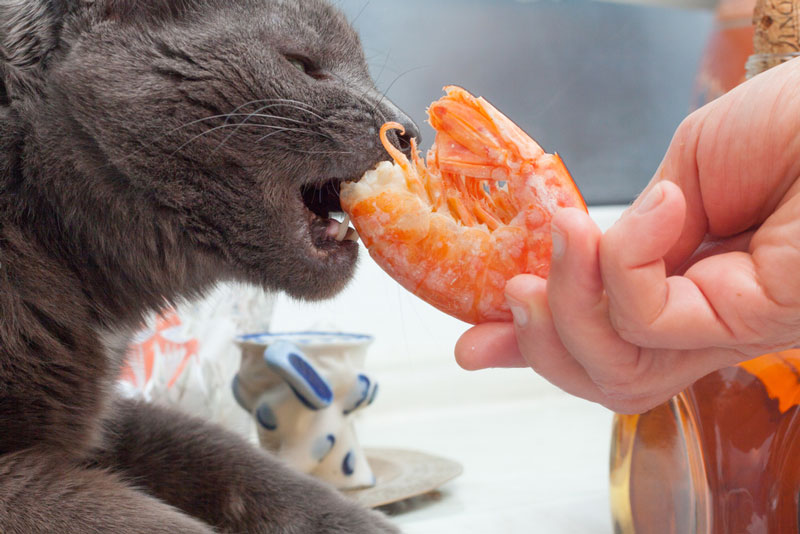
Have you ever wondered, can cats eat cooked shrimp? The answer is a big yes! Cats can indeed enjoy cooked shrimp, but there are a few things we should consider to keep our feline friends safe and healthy. Cooked shrimp can be a tasty treat for our furry companions; however, it is essential that we serve it properly and in moderation.
Many of us love to share our food with our pets, and seafood is often a favorite among them. Shrimp has a unique flavor that many cats find irresistible. Just like we enjoy spoiling our pets, we must ensure that what we’re giving them is safe. Understanding what our cats can and cannot eat is vital in providing them with a balanced and healthy diet.
As we explore this topic further, we’ll dive into the benefits and risks of feeding shrimp to our cats, how much we should offer, potential substitutes, and even answer some frequently asked questions. Let’s embark on this flavorful journey together!
You might also be interested in: Can Cats Eat Imitation Crab?
Can Cats Eat Cooked Shrimp?
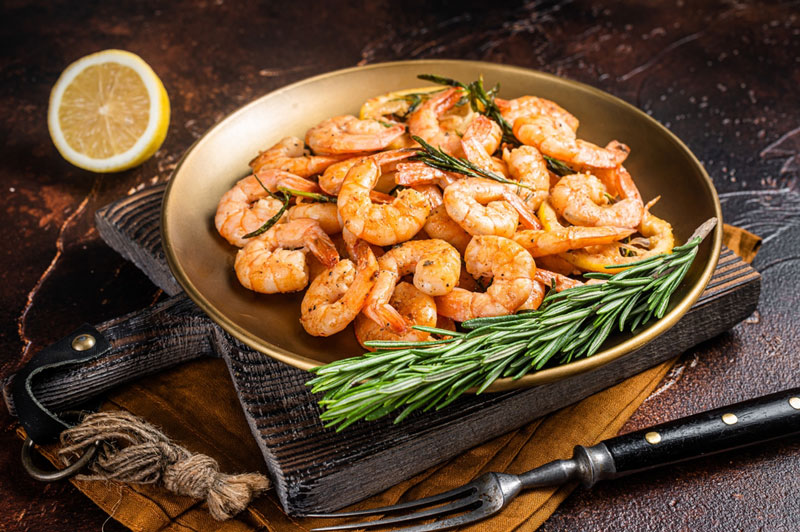
Yes, cats can eat cooked shrimp! This delightful seafood is not toxic to felines, and many cats absolutely love it. Shrimp is a great source of protein, which is essential for our cats’ growth and energy needs. When properly prepared and served, shrimp can offer cats a tasty treat that provides various nutritional benefits.
However, as with any new food, moderation is crucial. While our cats might beg us for more once they get a taste, we should only give shrimp as an occasional treat rather than a regular part of their diet. Just like how we would enjoy a delicious dessert but know that too much would not be good for us, the same logic applies to our pets. So while shrimp is a safe option, let’s keep it special!
How Much Cooked Shrimp Can Cats Eat?
The quantity of shrimp we should feed to our cats is important. A good rule of thumb is to keep shrimp treats to about one or two small pieces at a time, depending on the size of the cat. A little piece is generally enough to satisfy their curiosity and taste buds without overwhelming them with too much protein or sodium, which can be found in seafood.
It can also depend on the overall size of the cat. For instance, a small cat might only need a nibble, while a larger feline might handle a slightly bigger portion. It’s essential to monitor our pets after trying new foods, as each cat can react differently.
When we give our cats shrimp, it’s best to remember that treats should never make up more than ten percent of their daily caloric intake. This means we need to account for how much they consume from their regular balanced diet of commercial cat food. If shrimp makes our cats’ stomachs upset, we should stop offering it entirely.
Also, have we ever considered shrimp as a reward for doing tricks or as an incentive during training? Cats can be quite savvy when it comes to obtaining treats, so making it part of their training can be a fun way to bond with them while keeping them motivated!
Benefits Of Cooked Shrimp To Cats
1. Protein; Shrimp is packed with protein. Cats are obligate carnivores, which means their bodies are naturally designed to need meat. Shrimp provides high-quality protein that is essential in supporting their energy levels, muscle health, and overall well-being.
2. Omega-3 Fatty Acids: Shrimp also contains omega-3 fatty acids. These fatty acids can help maintain a healthy coat and skin in our furry family members. A shiny coat is often a sign of good health, and many pet owners enjoy the added bonus that comes with treating their cats to shrimp.
3. Low in Calories; Shrimp is low in calories, making it an excellent option for cats who may be watching their waistlines (though one could argue it’s hard for a cat to worry about their figure!). That said, if we want to offer something healthy without feeling guilty, returning to shrimp is a great option!
4. Vitamins and Minerals: Shrimp is rich in vitamins and minerals including vitamin B12, iodine, and selenium. Together, these nutrients contribute to our cats’ overall health, immune system, and cellular function. It’s like feeding them a mini-health boost!
5. Bonding: Finally, shrimp can be a fun way for us to bond with our cats. Sharing food brings us closer together, and treating our pets to a special snack can create moments of joy. The happiness that lights up their faces when they enjoy shrimp is priceless!
Dangers Of Feeding Cooked Shrimp To Cats
While shrimp can be a treat for our cats, there are some risks we must be aware of. The first and foremost concern is allergies. Some cats can develop an allergic reaction to seafood. It might come as a surprise since cats can seem to enjoy it immensely. If you notice signs of scratching, vomiting, or any distress, please stop giving shrimp and consult our vet.
Another concern is the preparation method. Shrimp should be cooked without any added salt, spices, or sauces, as they can make our pets sick or cause digestive issues. We must be careful not to give our cats shrimp from seafood dishes that are heavily seasoned.
Additionally, shrimp pose a choking hazard if not cut into small, manageable pieces. We would never want our precious fur babies to struggle with their food. Always ensure shrimp is peeled and deveined before offering it to our cats as an added safety measure.
A final concern is that shrimp from questionable sources might pose risks of contamination due to environmental pollutants. It’s essential to buy shrimp from reputable sources to minimize any potential health issues.
Substitute Of Cooked Shrimp For Cats
1. Fish: If our cats aren’t a fan of shrimp, there are plenty of other seafood options. Cooked fish is generally a safe choice as long as it is served without any seasoning or bones. Fish like salmon or tuna can also provide protein and healthy fats.
2. Chicken: This is another popular choice among our feline companions. Cooked chicken, without any seasoning or marinades, can be an excellent treat that is both appealing and nutritious. It’s like serving them a piece of our own dinner!
3. Turkey: This can also be a fantastic alternative. We can prepare it in the same way we would for chicken or shrimp—making sure it’s cooked through and free of seasoning to ensure our pets enjoy it safely.
4. Beef: This can also be a good option for those cats who enjoy a heartier taste. Again, like chicken and fish, it should be cooked without seasoning and can be presented as small bites or even mixed with their regular food.
5. Commercial Cat Treats: Finally, we can look to commercial cat treats. There are many seafood-flavored treats available that can satisfy our cats’ taste buds while ensuring their safety. These are often designed with our pets’ health in mind, and there are plenty of fishy-flavored options to choose from.
Can Cats Eat Cooked Shrimp? Frequently Asked Questions
Can Kittens Eat Cooked Shrimp?
While kittens may be curious about shrimp, their diets should primarily consist of kitten food designed to meet their nutritional needs. Once they are a bit older and their digestive systems have developed, we can introduce cooked shrimp in small amounts—just as we would for adult cats.
Is Shrimp Safe For Cats With Sensitive Stomachs?
Cats with sensitive stomachs may not react well to shrimp. It’s best for us to check with our veterinarian before trying it, ensuring it’s suitable for our individual cat’s needs.
How Should I Prepare Shrimp For My Cat?
When preparing shrimp, we should ensure it is cooked thoroughly, without any seasoning, and includes the removal of the shell and tail to prevent any choking hazards. When it’s ready, we can serve it in small, bite-sized pieces for our cats to enjoy!
Can Cats Eat Raw Shrimp?
It is not safe to feed cats raw shrimp. Just like with any seafood, raw shrimp can harbor bacteria or parasites that can harm our beloved pets. Cooking the shrimp kills these potential health risks, making it a safer option.
What If My Cat Doesn’t Like Shrimp?
Not every cat will love shrimp, and that’s entirely okay! We can explore different protein sources and seafood alternatives or provide them with specially formulated cat treats that can cater to their tastes.
Final Thoughts
Shrimp can be a delightful treat for our feline companions, offering both flavor and nutrition when prepared correctly and served in moderation. We’ve seen that while it’s great for our cats, we must stay mindful of allergies, preparation methods, and portion sizes to keep them safe while enjoying shrimp. If our beloved pets are hesitant toward seafood, there are many other tasty alternatives we can provide instead.
If you’re curious about more food options for your pets, please check out our blog for more information on topics like can cats eat scallops or can dogs eat shrimp. Let’s keep our furry friends happy and healthy as they bring joy into our lives!