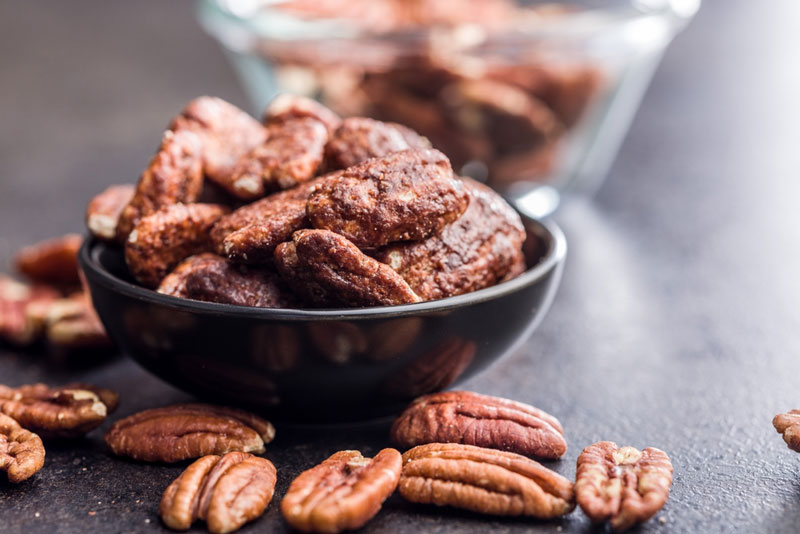
Have you ever wondered if our feline friends can nibble on pecans? Well, the simple answer is no, cats should not eat pecans. These delicious nuts, often found in pies and snacks, can be harmful to our beloved kitties.
While it may seem innocent to share a little treat with your cat, pecans pose certain risks that could lead to some troublesome tummy troubles. Cats are obligate carnivores, meaning their bodies are designed to process meat and not really equipped to handle nuts. In other words, let’s stick to catnip instead of pecan pie!
Curious to learn more about why pecans aren’t the purr-fect snack for our cats? Keep reading as we explore the reasons behind this advice, along with some safe alternatives that can keep your kitty happy and healthy!
You might also be interested in: Can Cats Eat Kale?
Can Cats Eat Pecans?
Let’s get into the specifics about pecans and why they shouldn’t be a part of your cat’s diet. First, although pecans are nutritious for humans, they don’t offer the same benefits to cats. Cats need meat-based proteins to fuel their bodies, and nuts are primarily made up of fats and carbohydrates, which don’t provide the right nutrition for a growing feline.
Moreover, pecans can pose some health risks. They contain high levels of fat, which can lead to gastrointestinal distress in cats. Eating pecans could lead to diarrhea, vomiting, or even pancreatitis in serious cases. Furthermore, the composition of pecans makes them difficult for cats to digest, leading to potential blockages in their digestive system which can be a serious veterinary emergency.
Another reason to avoid feeding your kitty pecans is the potential for mold. Pecans can sometimes harbor a fungus that produces toxins, which could result in serious health issues for your cat. This is especially true for nuts that aren’t stored properly, so it’s important to keep that in mind even if you’re tempted to sneak your kitty a small bite.
How Much Pecans Can Cats Eat?
Since pecans are not suitable for cats, there isn’t really a safe amount to give them. Even if we consider a small piece, the risks involved heavily outweigh any potential enjoyment your cat might experience. In fact, it’s better to keep pecans out of paw’s reach to avoid any accidental nibbles.
If you happen to be munching on some pecans and your furry friend begs for a piece, it’s important to resist those cute kitty eyes. Instead, try offering treats that are designed specifically for cats. There are many options out there that are safe and delicious for them.
We all know our cats can be persistent, and they may meow or paw at us for a taste. It can be tough to say no, but knowing that this habit can lead to health risks is crucial. Remember, it’s our responsibility to prioritize their health and well-being over a moment of cuteness.
If your cat does manage to sneak a piece of pecan, keep an eye on them. Watch for any signs of distress such as vomiting, diarrhea, or lethargy. If any of these symptoms appear, it’s best to contact your veterinarian to discuss the issue and receive proper guidance.
To summarize, it’s wise to avoid giving our cats pecans entirely. Let’s focus on treats that cater to their dietary needs and keep them happy!
Benefits Of Pecans To Cats
1. As mentioned, pecans don’t provide any beneficial nutrition for our cats. Instead, providing high-quality protein and healthy cat treats is the ideal way to boost their health. Think about it, would you serve a salad to a hungry lion? Exactly!
2. Cats thrive on a meat-based diet rich in proteins and animal fats; pecans can interfere with this natural dietary preference. Instead, allowing your cat to have a diet that emphasizes protein can lead to a healthier coat, better energy levels, and a more active lifestyle— which is something we all want for our kitty friends.
3. Providing your cat with proper nutrition can also help keep their weight in check. Too many high-fat snacks can lead to obesity, which opens the door to other health issues. Keeping an eye on their nutrition means we’re helping to prevent diabetes, heart disease, and other serious conditions.
4. There are so many better options available for cat treats on the market! Look for treats that are made from real meat or fish, like chicken, salmon, or tuna. These options can satisfy your kitty’s cravings while providing the nutrients they need.
5. Lastly, offering a variety of safe and healthy snacks can make meal times more exciting for your cats. They can enjoy the experience of trying out new flavors and textures, keeping them mentally and physically stimulated. So let’s reserve the pecans for our own snacking pleasure!
Dangers Of Feeding Pecans To Cats
We need to talk about the concern regarding feeding pecans to our feline companions. As mentioned earlier, the high-fat content in pecans can lead to gastrointestinal issues. These can range from mild discomfort to serious health issues that require veterinary attention.
Pecans can also contribute to pancreatitis. This condition results from inflammation of the pancreas and can be triggered by the consumption of high-fat foods. It is important to keep in mind that pancreatitis can be life-threatening if not treated promptly.
Another risk is the possibility of an allergic reaction. Just as humans can have allergies to nuts, so can cats—although it is less common. Symptoms of an allergic reaction may include vomiting, diarrhea, or skin irritations. In severe cases, allergic reactions can lead to anaphylaxis, which is a medical emergency and needs immediate attention.
Also, pecans can be a choking hazard, especially in small pieces. Cats sometimes don’t chew their food well, and a larger piece could potentially get caught in their throat causing a very frightening situation for both the cat and the owner.
Finally, pecans often have oils that could be harmful in larger quantities. These oils aren’t beneficial for a cat’s digestive system, leading to further stomach issues that could leave them very uncomfortable.
Substitute Of Pecans For Cats
1. Catnip: Instead of pecans, let’s consider catnip! This delightful herb gives our felines an experience that’s not only safe but enjoyable. Many cats respond to catnip with excitement, rolling around and playing—making it a fantastic alternative.
2.Cooked Chicken or Turkey: Another excellent option is cooked chicken or turkey. These lean meats can serve as healthy treats packed with protein. Just be sure to avoid seasoning and sauces, as they can be harmful to your cat.
3. Canned Tuna or Salmon (in water, not oil): can be a big hit with our cats! They tend to love the flavor, and it packs some nutritious benefits, offering healthy fats and proteins.
4. Commercial Cat Treats: Look for commercial cat treats designed for felines. These treats are often formulated to provide the nutritional balance our cats need, without any dangerous ingredients. There’s a whole range of flavors available from chicken to fish to even cheese.
5. Freeze-dried Meat Options: Lastly, consider freeze-dried meat options— they are great because they are packed with flavor and nutrients while maintaining a longer shelf life than fresh meat. These treats can be both delicious and healthy for our furry friends!
Can Cats Eat Pecans? Frequently Asked Questions
What Should I Do If My Cat Eats Pecans?
If your cat eats a small amount of pecans, monitor them closely for vomiting, diarrhea, lethargy, or abdominal discomfort. Pecans are high in fat and can upset a cat’s digestive system. If your cat eats a large quantity or shows concerning symptoms, contact your veterinarian for advice.
Are There Any Nuts That Are Safe For Cats?
No nuts are considered safe or beneficial for cats. While some nuts aren’t toxic, all are high in fat and difficult for cats to digest, which can lead to gastrointestinal issues. It’s best to avoid giving any nuts to cats.
Can Cats Taste Nuts?
Cats have a limited sense of taste and cannot taste sweetness the way humans do. They may be attracted to the smell or texture of nuts rather than the taste. However, this doesn’t mean nuts are suitable for them to eat.
Can My Cat Have Peanut Butter?
No. Peanut butter is not recommended for cats. It’s high in fat and often contains added salt, sugar, or artificial sweeteners, including xylitol in some brands, which is extremely dangerous. Even small amounts can cause digestive upset.
What Should I Feed My Cat Instead Of Snacks?
Instead of human snacks, offer veterinarian-approved cat treats, freeze-dried meat treats, or small pieces of plain cooked chicken, turkey, or fish. These options align with your cat’s nutritional needs and are much safer than nuts or other human foods.
Final Thoughts
So there you have it! While it might be tempting to share a yummy pecan with your feline friend, it’s best to steer clear of nuts altogether. Cats are creatures of habit and often thrive on a diet rich in meat and protein. Play it safe, and treat your furry companion to something that fits their dietary needs!
Let’s keep our cats safe and happy together. Remember, if you want to discover more about what our pets can or cannot eat, check out our informative blog for answers to your questions. After all, it’s our mission to ensure our beloved pets live their best lives!
Explore more topics on cats and their dietary needs in the links about what cats can eat. Let’s keep those kitties healthy and safe!