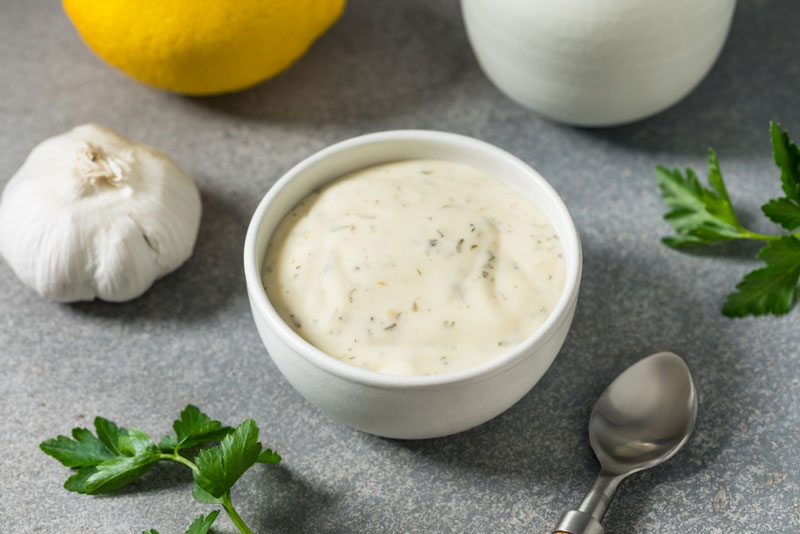
Can cats eat ranch dressing? That’s a fantastic question! The simple answer is no; cats should not eat ranch dressing. While it might be tempting to share your delicious ranch-covered snack with your furry friend, ranch dressing contains ingredients that may not be suitable for our feline pals.
Ranch dressing typically includes ingredients like garlic, onion, and various spices, which can cause issues for cats. These ingredients can lead to gastrointestinal upset or more severe health problems. While some cats might sneak a lick or two of ranch sauce without immediate adverse effects, it is best to keep this condiment away from our feline companions to ensure their safety.
If you’re curious about why exactly ranch isn’t safe for our cats and what alternatives may appeal to their feline taste buds, keep reading! We will dive deeper into the reasons behind this, potential risks, benefits, substitutes, and even answer some frequently asked questions that could help every cat owner. Let’s keep our fur babies happy and healthy!
You might also be interested in: Can Cats Eat Ginger?
Can Cats Eat Ranch?
Once again, the answer is no. Ranch dressing, though delicious for humans and a popular condiment, should remain off the menu for our lovely kitties. The ingredients that make ranch dressing so appealing to many people can pose a few health risks for cats. Ranch usually contains buttermilk, cream, garlic, onion powder, and various seasoning blends. The buttermilk and cream might tempt a cat to lick, but those dairy products are not ideal for them. As most cat owners know, many cats are lactose intolerant, which means that dairy products might lead to upset stomachs and digestive issues.
Moreover, garlic and onion are harmful to cats. Both belong to the Allium family of vegetables, which can lead to anemia in cats. The compounds in garlic and onions can damage red blood cells, making them less effective at carrying oxygen throughout the body. This can lead to weakness, lethargy, and in severe cases, even more significant health issues that could require medical treatment. Because of these risks, ranch dressing is far from a safe choice for our curious fur friends.
How Much Ranch Can Cats Eat?
Even when we might think our cats will only have a tiny amount of ranch dressing, it is crucial to emphasize that cats should not consume any ranch at all. There is no “safe” amount for them because the ingredients remain harmful regardless of quantity. For example, even a clean lick could expose them to the destructive compounds within garlic and onion. It’s best to think of ranch dressing as an absolute no-go. Instead, we should focus on providing our cats with approved treats that enrich their diets and keep them healthy.
If you suspect your cat has had a tiny taste of ranch dressing, keep an eye on their behavior. Some signs to watch for include vomiting, diarrhea, or unusual lethargy. If you observe any concerning symptoms, seeking veterinary assistance is always a good idea. We all want our beloved fur babies to be safe and secure, and being proactive about their health ensures that!
So what can we give our cats to make them feel special instead? There are plenty of cat-safe treats available on the market, from crunchy cat treats to soft and chewy varieties. Choosing well-balanced, nutritious options guarantees our cats are satisfied while prioritizing their health. After all, our feline friends love to indulge, just like us!
Benefits Of Ranch To Cats
1. One of the primary benefits of keeping ranch dressing out of our cats’ diets is ensuring their overall health. By avoiding potentially harmful foods, we’re creating a safer environment for our pets. A diet focused on high-quality, cat-friendly food keeps our kitties happy, energetic, and free from gastrointestinal issues.
2. Providing appropriate cat treats contributes to a stronger bond between us and our cats. Sharing approved treats and creating positive experiences during snack time can enhance our bond. Treats add to the enjoyment of both our time and our cats’. This makes every treat session a little celebration.
3. Feeding proper cat-safe foods ensures that our pets receive vital nutrients essential for their well-being. Nutritional choices provide energy for play and growth and maintain a healthy coat and skin. High-quality food goes a long way in promoting the happiness of our cats.
4. Our cats benefit from enjoying food that stimulates their natural instincts. For example, many treats available stimulate their hunting talents, encouraging them to play and engage in healthy activities. Providing safe and engaging treats not only keeps them entertained but also combats boredom and encourages exercise.
5. By understanding what our cats can and cannot eat, we become more attentive pet parents. Knowledge like this empowers us to make better choices for our feline companions. The more we know, the better we can care for and support their health and happiness.
Dangers Of Feeding Ranch To Cats
As we’ve discussed, ranch dressing is not safe for cats, and there are numerous risks to consider. Not only is it generally unhealthy for them, but the ingredients used in ranch can lead to tangible harm. The primary culprits include onion and garlic, which are toxic to cats and can lead to red blood cell damage.
Signs of garlic or onion poisoning in cats can include vomiting, diarrhea, fatigue, and even elevated heart rates. If we notice these signs, we should seek veterinary care immediately. It’s crucial that we become diligent pet parents who educate ourselves on what our cats can and cannot consume. Preventative measures will keep our furry pals out of harm’s way.
Another significant danger lies in the potential for less serious but still uncomfortable gastrointestinal distress. If a cat consumes ranch dressing—even just a little—it can lead to stomach upset, gas, or diarrhea. No one wants their beloved fur baby to end up with a tummy ache! Keeping ranch dressing and other similar foods safely stored away not only protects them from the risks of poisoning but also protects their delicate digestive system.
We all want to keep our cats safe and sound, which means avoiding potentially harmful foods is job number one. We should also be able to recognize which human foods are safe for sharing, as some can actually be beneficial in small amounts. Educating ourselves about cats’ nutritional needs will go a long way toward safeguarding their health, well-being, and happiness.
Ultimately, it is crucial to remember that our feline friends are carnivores. Their diets should primarily consist of meat, with minimal carbohydrates and no processed foods. So, what do we do if our kitties want a snack while we’re munching on food that isn’t safe for them? We’ll discuss some delicious, cat-friendly alternatives shortly!
Substitute Of Ranch For Cats
1. Cooked Chicken or Turkey: Instead of giving cats ranch dressing, we can opt for cat-safe treats like small pieces of cooked chicken or turkey. These lean meats can make for a protein-packed snack that supports healthy body functions.
2. Unsweetened Yogurt: Another great substitute is plain, unsweetened yogurt. While this should still be given in moderation—especially if our cats have issues with dairy—some cats can digest yogurt without any problems. Yogurt can offer a rich source of probiotics that support digestion.
3. Pureed Pumpkin: which is safe for cats, can be an excellent option as well. It is packed with nutrients and supports digestion, while also being palatable for many feline friends. Super simple to prepare, pureed pumpkin can serve as the base for an enticing treat your kitty will love.
4. Pureed Meat: Baby food made from pureed meat can also be a hit. We must check that it contains no onion or garlic, but many cats enjoy the taste and texture. It can serve as a delectable snack that feels special for them.
5. Commercially Cat Treats: Lastly, consider looking at commercially available cat treats with recipes designed specifically for our fur babies. There are plenty of options out there made with safe, wholesome ingredients, and these will satisfy their cravings while keeping their health in check.
Can Cats Eat Ranch? Frequently Asked Questions
What Are The Symptoms If A Cat Eats Ranch Dressing?
Should a cat accidentally consume ranch dressing, they may experience gastrointestinal distress, such as vomiting, diarrhea, or lethargy. We should monitor them closely and seek veterinary care if any concerning symptoms arise.
Can Cats Eat Any Type Of Dressing?
Most human salad dressings are unsuitable for cats due to harmful ingredients. It’s better to stick with safe alternatives and treats specifically designed for felines.
What Human Foods Are Safe For Cats?
Safe human foods for cats usually include lean meats, plain cooked fish, and certain fruits in moderation, like blueberries and watermelon. As always, we should check for any potential allergens and toxicity.
Is Ranch Dressing Safe In Small Amounts?
No, it’s best to avoid giving cats any ranch dressing, even in small amounts. The risks associated with its harmful ingredients outweigh any potential enjoyment they might get from tasting it.
How Can I Treat My Cat Without Treats Like Ranch?
We can treat our cats with high-quality cat treats, small portions of cooked meats, or cat-safe snacks like pureed pumpkin or yogurt. These alternatives keep them satisfied and healthy.
Final Thoughts
Taking good care of our adorable kittens means knowing what is safe and what is not. Ranch dressing, despite its popularity as a human condiment, is not a good choice for our feline friends. We can replace ranch with nutritious and tasty alternatives that will keep our cats healthy while indulging their cravings. Keeping ranch out of reach is just one of the many ways we contribute to our furry companions’ health and happiness!
We never need to hesitate in providing treats that enhance our cats’ well-being. For more information on cat safety and health, feel free to check out our blog. If you are ever in doubt about a food or a concern, never hesitate to reach out to a veterinarian. Your cat’s health matters most!