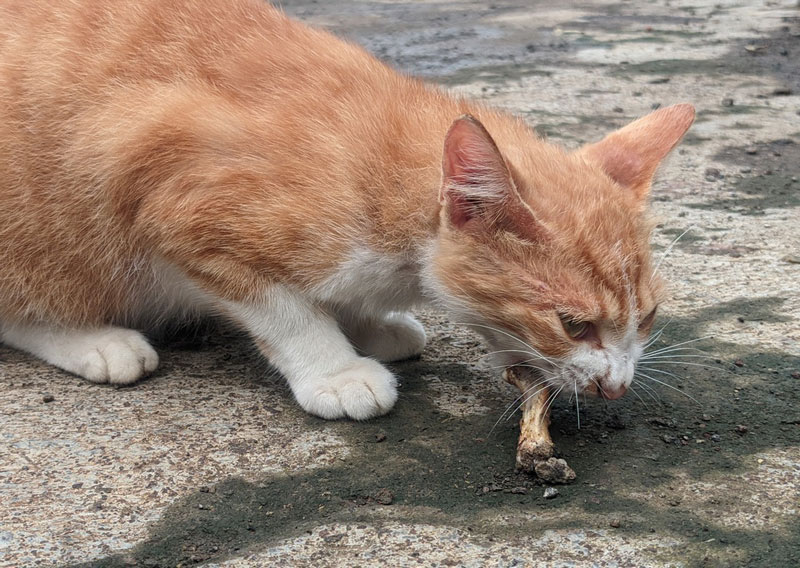
Have you ever wondered if cats can eat bones? Many pet owners may ponder this question, especially when they see their feline friends eyeing leftover chicken or steak bones with eager curiosity. The answer is generally no. While cats are carnivorous by nature and do enjoy meat, giving them bones can be troublesome. It’s important to understand why this is and what options we have for our furry companions.
It is natural to think that since cats like to hunt and eat animals, they might also enjoy the bones of those animals. But not all bones are created equal, and some can pose serious risks to our beloved kitties. In this article, we’re going to explore the ins and outs of whether cats can eat bones, the risks involved, and some safer alternatives. So, if you’re curious about the world of cat nutrition, keep reading!
You might also be interested in: Can Cats Eat Ribs?
Can Cats Eat Bones?
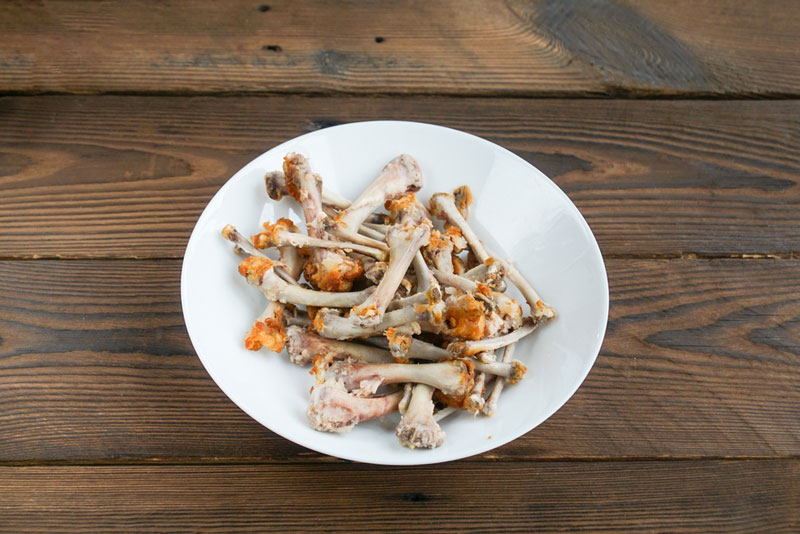
When pondering whether cats can eat bones, we often think about our pets’ natural instincts and dietary preferences. Cats are obligate carnivores, meaning their diet primarily consists of meat. While they may enjoy chewing on various meat cuts, bones can be a different story altogether. It’s essential to separate fact from fiction; while some cat owners might argue their felines can munch on bones, the reality is far more complicated.
Raw bones like chicken necks or wings can sometimes be given under supervision, but cooked bones are a strict no. Cooked bones can splinter, causing injuries to the mouth, throat, or intestines. These splintered pieces can lead to choking, internal bleeding, or blockage, which can be life-threatening. So even though a cat’s natural instincts may lead them to gnaw at bones, our responsibility as pet owners is to keep them safe from potential hazards.
How Much Bones Can Cats Eat?
Let’s talk about how much is safe if we decide to give our cats raw bones. When considering any food, portion control is essential for our pets’ health. If we go the route of offering raw bones, we must keep a few things in mind. The size and type of bone should be appropriate for our cat’s size and chewing habits. Feeding a cat too many raw bones can lead to digestive issues, so moderation is key here.
A good rule of thumb is to limit bones to a small portion of their overall diet. Bones shouldn’t make up more than ten percent of their daily caloric intake. And as with any change in diet, it’s wise to introduce new foods gradually. Sometimes, bones can be an exciting enrichment activity, keeping our cats entertained as they chew and gnaw.
Let’s think about the types of bones to offer. Raw bones such as chicken necks, wings, or backs can be safer options compared to beef bones, which are denser and may be more challenging for our feline friends to handle. Always supervise our cats when they have a bone to ensure they don’t chew off large pieces that can harm them. If our cat appears to be uncomfortable or struggles to chew, it’s best to remove the bone and refrain from further offerings. We really just want our fur babies to be happy and safe!
In conclusion, while we can certainly give our cats raw bones from time to time, it should be done cautiously, in small amounts, and under supervision to avoid any unnecessary dangers. It’s best to remember that even though our cats might love the taste, their safety is our priority.
Benefits Of Bones To Cats
1. Dental Health: Giving raw bones to our cats can promote dental health. Chewing on bones helps naturally reduce plaque and tartar buildup, keeping their teeth cleaner. This can also help freshen their breath, which is a bonus for both the cat and us!
2. Nutritional Value: When considering bones, especially raw ones, we may provide additional nutrients to our cats. Bones contain minerals such as calcium and phosphorus, which are essential for healthy bones and teeth. It can be a great way to complement their diet with natural nutrients.
3. Natural Behavior: Providing our cats with raw bones can tap into their natural instincts. Felines are hunters by nature, and chewing on bones can give them an opportunity to engage in instinctual behaviors, offering mental and physical enrichment. This can keep our pets amused and stimulated, preventing boredom that can lead to other behaviors we might not appreciate.
4. Protein Source: Raw bones often come with meat attached, which is an excellent source of protein for our cats. Cats require protein to support their energy levels and maintain a healthy body. Offering them bones with a little meat can provide an extra protein boost in their diet, helping them stay strong and active.
5. Cost-effective Treat: Compared to many commercial cat treats, raw bones can be a cost-effective option. Many pet stores sell them at a reasonable price, and we can also find them easily at local butcher shops. Choosing bones as treats can save us some money while still giving our kitties something exciting to chew on!
Dangers Of Feeding Bones To Cats
While there can be some benefits to letting our cats munch on bones, we have to be aware of the risks too. Let’s break down some of these potential dangers so we can make informed decisions about our cat’s diet.
One of the most significant risks comes from cooked bones. Cooking alters the bone structure, making them more prone to splintering. If we give our cats cooked bones, they could break into sharp pieces, leading to choking or serious injuries in their digestive tract. This could result in surgery or worse, which we want to avoid at all costs!
Another risk involves the size and type of bones given to our pets. If a cat is provided with a bone that is too large or tough, it may lead to jaw problems or could even break their teeth. Additionally, bones that are too small can be accidental choking hazards, making careful selection of bones vital for our cat’s safety.
We also need to consider the risk of an unbalanced diet. If we focus too heavily on offering bones, we could inadvertently neglect providing well-rounded, nutritionally complete meals for our cats. Bones should supplement their diet and not replace essential nutrients that they need from other sources.
Lastly, we should keep in mind that not all cats will tolerate bones well. Some felines might experience digestive disturbances or even constipation after eating bones. If we notice any adverse reactions in our cats after they consume a bone, it generally is best to stop providing them altogether.
Substitute Of Bones For Cats
1. Commercial Cat Treats: If we’re looking for a safer alternative, we can choose commercial cat treats designed specifically for dental health. These treats often provide similar benefits, helping to clean teeth while being formulated to be safe for cats to consume.
2. Freeze-dried Raw Meat: Another great option is freeze-dried raw meat. This can give our cats the texture and flavor they love while avoiding the dangers of bones. It’s packed with protein and allows us to cater to their carnivorous needs without the risk of splinters since there are no bones involved!
3. Catnip-stuffed Toys: For mental stimulation, catnip-stuffed toys can be an effective substitute that can keep our cats engaged. It’s great for encouraging play, which is essential for a happy cat. Toys don’t pose the risks found with bones and can still provide the excitement our cats need!
4. Raw Meat: We might also consider feeding raw meat without bones. This can be a beneficial source of protein without the associated risks. Always ensure any raw meat we give is free from harmful bacteria and prepared safely.
5. Dental Chew Toys: Dental chew toys are another wonderful option that can promote our cats’ dental health. These toys are often made from durable materials specifically designed to withstand chewing and promote healthy teeth. They can give our cats the satisfaction of chewing without any of the risks associated with bones.
Can Cats Eat Bones? Frequently Asked Questions
Can All Cats Eat Bones?
Not all cats can safely eat bones. It’s best to avoid giving them cooked bones due to the risk of splintering. Small, raw bones may be safer, but always supervise your cat while they chew.
What Should I Do If My Cat Swallows A Bone?
If your cat swallows a bone and shows signs of distress, it’s crucial to contact your veterinarian immediately. A vet can assess the situation and determine the best course of action to ensure your cat stays safe.
Are There Bones That Are Safe For My Cat To Chew?
Raw bones without sharp edges may be safer for your cat to chew, such as chicken wings or necks. Still, supervision is key when giving bones, and they should only be a small part of their diet.
Can I Give My Cat Raw Meat Instead Of Bones?
Yes! Raw meat can be a great alternative to provide proper protein without the risks associated with bones. Be sure to prepare it safely for your cat’s consumption.
How Do I Know If My Cat Is Having Trouble With A Bone?
If your cat shows signs of choking, distress, or seems uncomfortable after chewing the bone, it is essential to remove it immediately and consult your veterinary professional for guidance.
Final Thoughts
When pondering the question of whether cats can eat bones, we realize that while they can be offered raw bones, it’s crucial to proceed with caution. The potential risks cannot be overlooked, and we have plenty of safer alternatives available to keep our cats happy and healthy.
If we genuinely want to explore other topics relevant to our pet care journey, check out these articles on common pet health challenges, or learn about what meats can cats eat. We can make informed choices that enhance the quality of life for our beloved furry companions!