Have you ever wondered if your feline friend can enjoy a little ginger in their diet? Well, the short answer is yes, cats can eat ginger, but in moderation. This spice might not be as commonplace in the cat food aisle as tuna or chicken, but it can bring some surprising benefits to your kitty’s health.
While it may seem unusual to think about giving your cat ginger, it is essential to recognize that not all human foods are harmful to our furry companions. Ginger has been used for centuries in both human and pet diets, often praised for its unique flavor and potential health benefits. But, as we always say, a little goes a long way! So, untangle your feline’s curiosity and let’s explore more about ginger and its role in your cat’s diet.
Join us as we munch through the details about ginger for our furry pals! We’ll explore the benefits and risks, the right amounts, and suitable substitutes that keep our whiskered companions happy and healthy. So, grab a comfy spot and let’s get to the juicy stuff!
You might also be interested in: Can Cats Eat Turmeric?
Can Cats Eat Ginger?

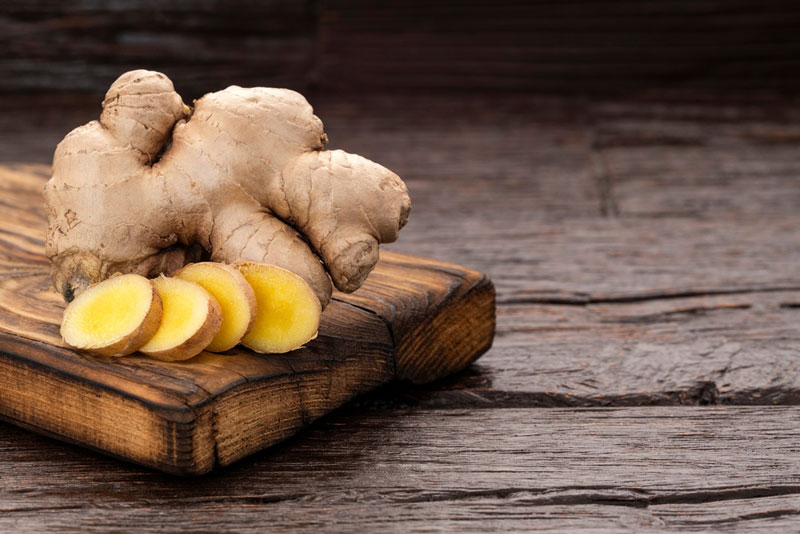
Ginger is an herb known for its vibrant flavor and spicy aroma. Most people are familiar with ginger in their favorite recipes, teas, and even desserts. But can it also be a good addition to our cats’ meals? The answer rests in the fact that ginger can offer some health benefits for cats, but it shouldn’t replace their regular cat food.
For our kitties with stomach issues, ginger can be particularly useful. This spice has been known to help with nausea, and, coincidentally, cats can experience nausea for a variety of reasons—from car rides to changes in their diet. However, introducing ginger into their diet should be done with caution. Make sure to introduce a tiny pinch at first to see how they react. If your cat enjoys it without any adverse effects, you might consider giving small amounts occasionally.
In addition, ginger has anti-inflammatory properties, which can be beneficial for cats with arthritis or other inflammatory conditions. But, as with many things in life, balance is key! Too much ginger could upset their delicate stomachs or lead to other digestive problems.
How Much Ginger Can Cats Eat?
It’s essential to strike the right balance when it comes to giving ginger to our cats. As pet owners, we need to keep an eye on what goes into their bowls. So, how much ginger is safe? The general consensus is that small quantities of ginger can be beneficial, while large quantities can pose risks.
When adding ginger to your cat’s diet, remember that moderation is crucial. A pinch or two (about 1/8th of a teaspoon) a few times a week is often considered safe. You can try mixing this small amount with their regular food or even offering a tiny piece of cooked ginger. However, it is always best to consult your veterinarian before introducing anything new into your cat’s diet, especially if they have underlying health issues.
It’s important to observe your kitty after you introduce ginger into their meals. Look for any signs of discomfort or digestive upset, such as vomiting or diarrhea. If your cat responds well, you might consider making ginger a special treat rather than an everyday addition. Cats are creatures of habit, so gradual introduction is key in many cases.
Remember that every cat is different, and what may work for one cat might not work for another. Age, size, and overall health can influence how they react to ginger. Always prioritize their wellbeing and health, and consult your vet if you have questions.
Benefits Of Ginger To Cats
1. A Natural Remedy for Nausea: One of the most popular uses of ginger is its ability to soothe nausea. Whether it’s due to motion sickness or an upset stomach, a little ginger can help settle things down. Cats can experience these issues just like us, so a bit of ginger can provide them some comfort.
2. Anti-Inflammatory Properties: Ginger is packed with antioxidants, which help reduce inflammation. For older cats or those with joint issues, a sprinkle of ginger can potentially support their mobility and comfort. It’s always fantastic to enable our furry friends to enjoy their golden years comfortably!
3. Digestive Aid: Ginger can also promote healthy digestion. If your feline is having regular digestive issues or is experiencing flatulence, ginger can be a gentle way to help balance things out. It can encourage healthy gut flora and promote overall digestive health.
4. Potential Disease Prevention: Some studies suggest that ginger may help prevent certain diseases due to its antioxidant properties. While research for cats is limited, maintaining general health with antioxidants can be beneficial for our pets, as they fight free radicals in the body.
5. A Fun Flavor Adventure: Last but not least, introducing new flavors can stimulate our cats’ taste buds. While they may not be as adventurous as dogs, some cats enjoy different tastes. Ginger can spice up their meals and make feeding time a bit more enjoyable.
Dangers Of Feeding Ginger To Cats
While ginger has its benefits, we must also be aware of its risks. It is essential to keep our furry friends safe. Too much ginger can lead to several issues, including digestive upset. Symptoms such as vomiting, diarrhea, and lethargy can occur if our kitty consumes excessive amounts.
Ginger can also affect blood sugar levels. This is particularly important for cats that have diabetes. If you have a diabetic kitty, it’s best to consult with your veterinarian before introducing ginger to their diet. Balancing their blood sugar levels is vital for their overall health.
Another potential risk to consider is allergies. Cats can develop allergies to different foods just like humans. If your cat begins to show signs of an allergic reaction, such as itching, swelling, or difficulty breathing, it’s crucial to stop giving them ginger immediately and reach out to your veterinarian.
Lastly, pregnant or nursing cats should avoid ginger. The spice may affect hormone levels during pregnancy and could pose risks to the kittens. If you have a pregnant or nursing feline, it’s best to stick with their regular diet and avoid adding anything new, including ginger.
Substitute Of Ginger For Cats
1. Pumpkin Puree: Pumpkin is a great substitute for ginger. It helps with digestion and is a safe and healthy option for cats. If you’re looking for something that offers similar digestive benefits, a little pumpkin puree might do the trick!
2. Chicken Broth: For a flavor enhancement, low-sodium chicken broth can be a fantastic alternative. Cats love the smell and taste of chicken, and it can be an excellent way to keep them hydrated and happy without introducing any issues!
3. Sweet Potatoes: Just like pumpkin, sweet potatoes have lots of fiber and beneficial nutrients. Cooked sweet potatoes can act as a tasty treat that many cats enjoy while contributing to their health.
4. Oatmeal: If you’re looking for something to soothe your cat’s tummy, try introducing plain oatmeal. This is another excellent option for enhancing digestion, and many cats find it tasty! Just ensure it doesn’t have added sugars or flavors.
5. Fish Oil: Lastly, omega fatty acids found in fish oil can be a great alternative. These can reduce inflammation, help with joint health, and most cats love the flavor. Fish oil keeps their coats shiny while providing health benefits all around.
Can Cats Eat Ginger? Frequently Asked Questions
Is Ginger Harmful To Cats?
Ginger is not considered toxic to cats, but it’s not recommended as a food or supplement. Cats don’t need ginger in their diet, and even small amounts can cause stomach irritation or digestive upset due to its strong, spicy compounds.
How Can I Tell If My Cat Is Allergic To Ginger?
Signs of an allergic reaction or sensitivity may include vomiting, diarrhea, excessive drooling, pawing at the mouth, itching, facial swelling, or unusual behavior shortly after exposure. If you notice any of these symptoms, stop giving ginger immediately and contact your veterinarian.
Can Kittens Eat Ginger?
No. Kittens should not be given ginger. Their digestive systems are still developing and are more sensitive to strong herbs and spices. Ginger can easily cause digestive upset and interfere with proper nutrition during growth.
What Are Some Cat-safe Herbs?
Cat-safe herbs include catnip, cat grass (wheatgrass or oat grass), and valerian root. Some herbs like parsley or basil may be tolerated in tiny amounts, but they offer no real benefit. Always research or consult a veterinarian before offering any herbs.
How Do I Introduce New Foods To My Cat?
Introduce new foods slowly and one at a time. Start with a very small portion and monitor your cat for 24 hours for signs of digestive upset or allergic reaction. If any symptoms occur, stop the food immediately and consult your veterinarian.
Final Thoughts
In summary, ginger can be a fun and special treat for our feline friends when introduced in moderation. Just remember that every cat is unique, and it’s essential to keep an eye on how they react to ginger. Consulting with our veterinarian is always a wise path to explore when introducing new foods.
If your kitty is curious about ginger, fortunate for them, there are plenty of other topics to explore! We can learn more about what other human foods are safe for our furry companions, or perhaps see if we can discover if cats can eat chocolate for a fun treat or get more insights on other awesome pet-friendly items like this blog. You could also find out more about onions and cats! The adventure of learning what’s safe and enjoyable for our best friends never ends!