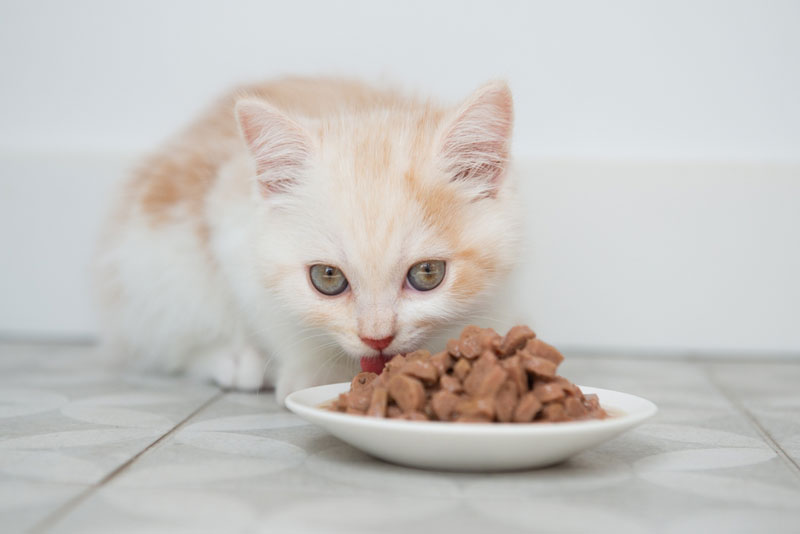
Have you ever wondered, can adult cats eat kitten food? The short answer is yes! Adult cats can eat kitten food, but it’s not always the best choice for them. Kitten food is generally formulated with higher protein and fat content, which is great for growing kittens but may not be necessary for adult cats in their prime.
This is an interesting topic because many of us might find ourselves in a situation where there’s leftover kitten food, or perhaps we have cats of varying ages. Since every cat is unique with their own dietary needs, understanding whether adult cats can munch on kitten food can help us make informed choices to keep our furry friends healthy and happy.
If you have an inquisitive mind and would like to learn more about the differences in nutrition between kitten food and adult cat food, we invite you to continue reading. Let’s explore this fascinating topic together!
You might also be interested in: Can Cats Eat Milk?
Can Adult Cats Eat Kitten Food?

Life can be quite interesting when it comes to the food our pets eat. As pet lovers and proud cat parents, we often find ourselves asking whether what we feed our furry companions is appropriate for their age. So, can adult cats eat kitten food? Yes! Adult cats can happily munch on kitten food from time to time, but that doesn’t mean it should be their main meal. Kitten food is formulated to meet the nutritional specificities that growing kittens require for their growth and development.
Let’s break down why it’s perfectly okay for adult cats to nibble on kitten food. The primary purpose of kitten food is to provide a stronger nutritional profile that supports rapid growth and energetic play. It’s loaded with higher protein and fat content compared to regular adult cat food. This means if a cat decides to indulge in a bit of kitten food, they’re going to get an energy boost!
However, it’s essential to monitor our adult cats’ diets closely. Being omnivorous, adult cats generally do not need the same amount of calories or fat in their day-to-day life as kittens do. Regular consumption of kitten food may lead to weight gain in adult cats or other health complications down the road, as too much protein can cause strain on their kidneys. It’s best for us cat parents to consider the occasional treat of kitten food rather than relying on it as a staple in their diet.
When it comes to any changes in our cats’ diet, we should always keep an eye on their overall health and behavior. A healthy cat comes from a balanced diet, and that’s what we ultimately aim for. Are you ready to dive deeper into how and why adult cats might benefit from or be at risk from eating kitten food? Let’s explore this subject further!
How Much Kitten Food Can Adult Cats Eat?
Now that we know adult cats can eat kitten food, we need to look into how much is appropriate. Just like with any treat, moderation is crucial! When considering how much kitten food to provide, we should keep in mind the overall caloric intake an adult cat needs each day. Adult cats usually require about 20 calories per pound of body weight daily.
Let’s say our beloved feline friend weighs 10 pounds; that means they need around 200 calories each day. Regular adult cat food is generally designed to meet their daily caloric needs seamlessly. However, if we add kitten food into the mix, we have to be cautious and excellent at measuring. A small amount of kitten food can serve as a calorie boost. If our adult cat enjoys it, we can incorporate a spoonful or two into their meal a few times a week, but that’s truly it!
For a balanced approach, we can consider mixing kitten food with adult food in a small ratio, like a quarter of their meal. This blended method ensures our adult cats get the pleasure of kitten food without overindulging. Want to spot know if they are gaining weight? Regular weigh-in can help us track if they’re consuming too much calorie-treat! Using measuring cups or a kitchen scale can make feeding times a breeze as we try to keep it fun and up to snuff.
Remember that we should avoid replacing an adult cat’s diet with solely kitten food. The imbalance in nutrients can lead to digestive problems or unnecessary weight gain, which we all want to avoid. So, how do we know if we’re hitting the right balance? Keeping a healthy mix includes the occasional yum of kitten food while making sure adult cat food stays the star on dinner plate for our big kitty! This way, each of our precious cats is both well-fed and takes care of their growing needs through optimized nutrition.
This way of thinking aligns closely with how we care for our cats. We love and want the best for them, and understanding their dietary needs is one significant way to show that love. As a community of cat lovers, let’s make sure feeding is a joyous experience, keeping all our furry friends healthy and happy!
Benefits Of Kitten Food To Adult Cats
1.High In Protein And Fats: One of the prime benefits of adult cats eating kitten food is the richness in protein content. As we’ve mentioned earlier, kitten food is high in protein and fat. This means our adult cats will enjoy an energy burst after consuming it. If we have an older, less active cat, feeding kitten food occasionally can help maintain their weight during those times when they need a little pick-me-up! Protein helps keep their muscles strong and active, which is fantastic for those frisky afternoon zoomies.
2.Palatability: Another advantage is the palatability of kitten food! This food is often formulated to be extra tasty to attract kittens. If our adult cat is a picky eater or has lost their appetite, a sprinkle of kitten food can entice them to eat. It can be beneficial during recovery from a health issue or after surgery as it encourages normal eating habits. Trust me, cats know good food when they smell it!
3.Satisfy Cravings: Using kitten food can help to satisfy a cat’s cravings too. Cats have their unique taste buds, and the enticing aromas of kitten food can captivate their attention. This can lead to more enjoyment during mealtime. Fun fact! Cats have an average of 470 taste buds, while humans have around 9,000, so never underestimate a cat’s ability to find flavors they love!
4.Bond: A small amount of kitten food can encourage bonding moments with our cats! If we occasionally offer kitten food as a treat, it might create excitement and fun when interacting with them. Think of it as a special occasion. Sharing tasty food with our fur babies strengthens our bond, and who doesn’t enjoy a joyous moment when a cat hops excitedly for a delicious treat?
5. Promote Hydration: Lastly, feeding kitten food occasionally can promote hydration too! Canned kitten food often has a higher moisture content which isn’t just tasty but can help keep our cats hydrated. Particularly important during warmer months when they might not be drinking enough water! Who knew clever nutrition could also support hydration and help our cats’ overall health?
It’s wonderful to recognize that sharing in their joy also involves giving them varied flavors and experiences in their diet shines their happiness. Just remember, moderation is always critical in ensuring that our feline friends thrive; let’s provide them balanced nourishment that meets their needs!
Dangers Of Kitten Food To Adult Cats
Now, while there are benefits to letting our adult cats sample kitten food, we must not shy away from discussing the risks as well. Allowing an adult cat to eat kitten food regularly can lead to additional challenges. One of the primary concerns is weight gain. Since kitten food is relatively high in calories, indulging in it too often can encourage overeating. Our adult cats are usually more sedentary than kittens and do not require extra calories, so monitoring their habits is vital.
Another risk we should consider is potential digestive upset. Cats can be finicky creatures, and introducing kitten food too quickly might lead to gastrointestinal issues like diarrhea or vomiting. Our furry friends can have sensitive tummies, and it’s always best to introduce any new food gradually. If we suddenly switch them, it might upset their stomachs and be quite uncomfortable. Always remember slow and steady wins the race—this applies to food changes too!
We must also keep in mind that kitten food is not well-balanced for adult cats. Generally, with more protein and fat, the nutritional balance is skewed. If we allow our adult cat to regularly eat kitten food, it may lead to nutritional deficiencies, as they may not get the necessary nutrients they need for their age. They might begin to crave high-fat foods and develop an unhealthy appetite over time.
Potential kidney strain is another area of concern. With adult cats, especially older ones, extra protein can put extra strain on their kidneys. If we provide them with continuous access to highly caloric kitten food, we may inadvertently harm their health, especially for cats with pre-existing conditions. As responsible cat guardians, we wouldn’t want to do that!
In conclusion, yes, adult cats can eat kitten food, but we should love and care for them by being aware of the risks involved. Moderation and awareness of our cats’ overall health are essential. Let’s make informed decisions for their health while keeping feeding time appealing! Keeping track of their progress, adjusting portion sizes, and watching for weight gain can ensure they flourish through every playful stage.
Substitute Of Kitten Food For Adult Cats
1.Blend Adult and kitten Food: If our adult cat is too much in love with kitten food, sometimes we can step in with a blend! Mixing their regular adult food with a bit of kitten food can make mealtime enjoyable while not completely straying from a balanced diet. Using a ratio of about 75% adult to 25% kitten food can be a great place to start!
2. Similar Protein Content: Another option could be incorporating high-quality adult cat food that has a similar protein content as kitten food. There are brands that offer higher protein recipes that cater to active or younger adult cats. It’s worth checking the labels to find optimal options for our adult cats to maintain balanced nutrition.
3. Wet Food: Wet food could serve as an excellent substitute to satisfy our cats’ taste and help increase hydration. Oftentimes, wet food contains extra moisture and could include ingredients that have delicious flavors and aromas that cats adore! Canned varieties can help keep mealtime exciting while ensuring they receive balanced nutrition.
4. Healthy Treats: How about supplementing with healthy treats? We can find treats made specifically for adult cats that carry protein and other nutrients they enjoy without compromising their diet. Keeping treats limited and using healthier options will keep our kitties excited without affecting their overall health!
5. Homemade Cat Food: Finally, let’s dip into homemade cat food! If we have a little culinary confidence, we can create our meals that ensure cats get the right nutritional balance according to their needs. It’s a much-loved option for pet parents who want to ensure they know precisely what kitty is consuming! Always be cautious with what we use and consult with our vet to ensure it’s safe and nutritious!
Ultimately, it’s all about variety, moderation, and always monitoring our cats’ health. Understanding our adorable fur companions’ needs and wishes can help ensure they remain happy and healthy fur babies. The more care we give, the stronger our bonds will grow, and each unique mealtime can reflect that joy!
Can Adult Cats Eat Kitten Food? Frequently Asked Questions
What Age Can Cats Eat Adult Food?
Generally, kittens transition to adult food around 12 months of age. Each cat is different, so monitoring their growth, size, and overall health helps make this decision confidently!
How Often Should An Adult Cat Eat?
Adult cats usually do well with two meals per day, but some might enjoy munching on smaller amounts multiple times throughout the day. We should observe what works best with our individual cats’ preferences!
Can My Cat Have Both Wet And Dry Food?
Yes! Many cat owners mix both wet and dry food for diverse texture and flavor experiences during mealtime. Combining them also encourages hydration.
What Should I Do If My Cat Eats Too Much Kitten Food?
If we find that our cats have been eating too much kitten food, we should be prepared for potential weight gain or sensitivity. Monitor them closely, and if concerns arise, consult with our vet for recommendations.
Are All Kitten Foods Safe For Adult Cats?
Yes! Most kitten foods are safe for adult cats, but make sure to check the ingredients list for any allergens. If they’re eating something unhealthy or unfamiliar, better double-check!
Final Thoughts
We’ve covered a lot of ground on the topic of adult cats eating kitten food. While it’s perfectly okay for adult cats to nibble on it occasionally, we should always consider moderation and their nutritional needs. Let’s make responsible choices that keep our furry friends happy, healthy, and spry!
It’s so wonderful to witness our cats thrive with a balanced diet and an enriched environment. Happy feeding is our goal! Interested in learning more about your furry friends? You might want to check out our articles about pet nutrition, or see if cats can eat people’s food. Let’s keep our quest for knowledge alive, ensuring the best for our beloved pets!