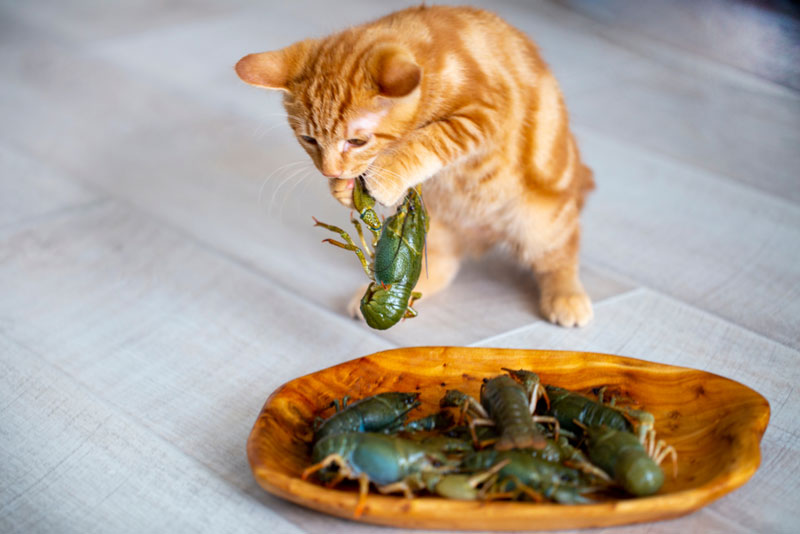
Have you ever wondered if your beloved feline friend can share a tasty crab feast with you? The answer to can cats eat crab is yes, they can! However, it is not as straightforward as simply tossing a piece of crab meat into their bowl. Before we start serving our cats crab, it is important to learn about the dos and don’ts of this seafood delicacy.
Cats are obligate carnivores, which means they primarily require meat in their diet. Crab offers a good source of protein, which is necessary for their health. Interestingly, many cats enjoy the taste of crab, and it can even be a delightful treat for them. So, it seems that crab could add a little excitement to our furry pals’ mealtime!
If you’re curious and want to learn more about the benefits, risks, and ways to safely introduce crab into your cat’s diet, stay tuned! We will explore everything there is to know, ensuring that your feline’s gastronomic adventures are both safe and enjoyable!
You might also be interested in: Can Cats Eat Imitation Crab?
Can Cats Eat Crab?
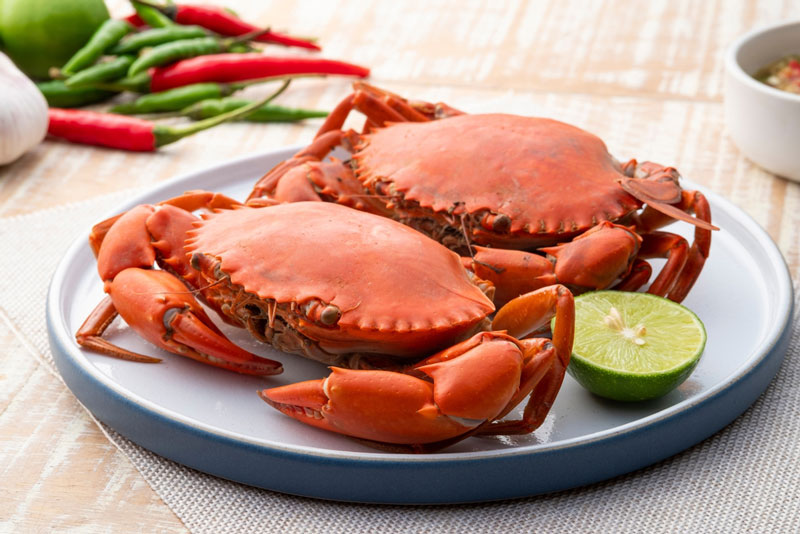
As we navigate the interesting subject of whether cats can eat crab, we should start by understanding what crab is. Crab is a type of shellfish that belongs to the crustacean family. It’s packed with protein and other nutrients, making it enticing for humans and, surprisingly enough, our feline companions as well.
Cats can eat crab, but not every type is suitable for them. Cooked crab is the way to go. Raw crab can host harmful bacteria, which isn’t good for our fur babies. Plus, we need to remove the shell, as the sharp edges can harm their mouths or lead to choking. It’s vitally important to prepare crab properly or stick to canned crab designed specifically for cats. Always ensure that any crab we offer doesn’t have any sauces, spices, or flavorings that could be harmful to our pets.
Crab is rich in protein and contains essential nutrients like vitamins B12, niacin, and minerals such as zinc and phosphorus. These benefits can reinforce our cat’s diet. But even with this nutritious snack, moderation is key! Too much crab can lead to digestive issues due to its high protein content, which can result in an upset tummy. Therefore, it’s best to treat crab as an addition to their regular diet rather than a staple meal.
How Much Crab Can Cats Eat?
When thinking about introducing crab to our feline friends, we must carefully consider the amount. Like us, our cats can also sometimes go overboard when they discover a delectable new treat. So, how much crab should we offer? Let’s break it down!
We recommend starting with a small amount, about a teaspoon of cooked crab meat. Watch for any negative reactions or signs of discomfort after consuming crab. If all goes well, we can gradually increase the serving size. However, we should never make crab a primary dish. Crab should be a supplement to their main diet, meaning it can only complement their regular cat food.
Generally, giving crab to our cats occasionally is recommended. Once a week might be a good rule of thumb. This frequency allows our pets to enjoy the benefits of crab without overwhelming their systems. It’s also important for us to remember that every cat’s tolerance can be different. Some may love crab while others may show less enthusiasm. Always observe their response, and don’t hesitate to consult with our veterinarian if we have any doubts!
For cats that are experiencing kidney issues or other health problems, even a small amount can have ramifications. Always keep an eye on their health and ask a vet for dietary recommendations tailored to their needs. In short, use crab as an occasional delightful treat and maintain an eye on portions for a happy, hearty cat!
Benefits Of Crab To Cats
1. Protein Powerhouse: Crab meat is a great source of protein, crucial for our feline friends. Like mini furry lions, cats need plenty of protein for energy and overall health. It helps with muscle development and keeps their coat shiny and healthy! Adding crab to their diet, in moderation, can give them a terrific protein boost.
2. Omega-3 Fatty Acids: Crab contains healthy fats called omega-3 fatty acids, which are good for cats’ heart health and can even enhance brain function! We could liken this to adding a superhero to our kitty’s diet. Having the right nutrition helps them stay playful and sharp mentally.
3. Nutritional Variety: Just like we enjoy culinary variety, cats also appreciate an occasional change in their meals. Bringing crab into their diet can spice things up and encourage picky eaters to enjoy their food more. A diverse diet can make mealtimes more exciting and less monotonous.
4. Hydration: Crab has a high water content, which can help our cats stay hydrated. We must remember that sometimes cats can be picky drinkers, but savoring moist crab meat may add some much-needed hydration to their day!
5. Treats for Training: Incorporating crab into our cats’ training can be beneficial. It’s a high-value treat! Using small bits of crab as a reward can make training much more enjoyable for our darling furballs. Who doesn’t love a delicious reward while learning new tricks?
Dangers Of Feeding Crab To Cats
While crab can be a rewarding treat for our cats, we must remain vigilant about potential risks. Understanding these dangers helps us protect our furry companions. One significant concern is the risk of allergies. Just like humans, cats can be allergic to seafood like crab. So, we first need to ensure they don’t have any adverse reactions.
Another risk stems from raw crab. It can harbor harmful bacteria that may cause foodborne illnesses. Always ensure that we serve cooked crab. The cooking process eliminates most harmful bacteria. The shell can also pose a danger. Sharp edges can injure our cats’ mouths or possibly lead to choking. We must always remove any shells before offering crab meat.
Another point of caution includes the salt content in some processed crab products. Too much salt can be bad for our cats’ kidneys and lead to health complications over time. We should opt for fresh or plain canned crab without excess seasoning to keep it safe and healthy!
Lastly, moderation is vital! Too much crab can upset our cats’ stomach and lead to diarrhea or vomiting. Always introduce crab gradually, ensuring that our cats tolerate it well. If we notice any signs of discomfort or negative reactions, it’s best to discontinue feeding them crab and consult our veterinarian. After all, the well-being of our furry friends is a priority!
Substitute Of Crab For Cats
1. Tuna: Many cats adore tuna, so using it as a safe substitute can be a hit! It’s rich in protein and can help satisfy our cats’ cravings. Just ensure it’s packed in water without added salt or spices and serve it appropriately!
2. Salmon: Just like crab, salmon is also a delicious fish that cats love! It’s loaded with omega-3 fatty acids and makes for a tasty meal or treat. Just remember to cook it properly without any added seasoning before serving.
3. Chicken: Cooked, shredded chicken can be a great substitute. It’s high in protein, and many cats go crazy for it! Similar to crab, it’s vital to keep it plain without any added spices, sauces, or skin when serving it to our pets.
4. Shrimp: Many cats enjoy shrimp as an occasional treat, much like crab. Just be sure to remove the shells and cook it properly. Shrimp is low in calories and can be a delightful surprise on our cats’ palates!
5. Commercial Cat Food: Finally, many commercial cat foods often contain fish or seafood flavors. These can be beneficial as a balanced meal without needing the fuss of preparation. We simply provide these foods, ensuring our cats receive the proper nutrients they need.
Can Cats Eat Crab? Frequently Asked Questions
Can All Cats Eat Crab?
Not all cats will enjoy crab or may not tolerate it well. Just like humans, each cat has unique taste preferences and dietary needs. We must be careful to introduce crab slowly.
How Should I Prepare Crab For My Cat?
The best way is to cook the crab, remove any shells, and cut it into small, bite-sized pieces. Avoid adding any seasoning or sauces, as these can be harmful to cats.
Can Overfeeding Crab Harm My Cat?
Yes! Crab should be treated as an occasional treat. Too much can lead to gastrointestinal issues and an upset stomach. Always monitor portions!
What Should I Do If My Cat Has A Bad Reaction To Crab?
If we notice signs of allergy or digestive distress, it’s best to consult our veterinarian immediately. They are the best resource for addressing our cat’s health concerns!
Is Crab Better Than Other Treats?
It depends! Crab can be a tasty change of pace. However, balance is key. Other treats like chicken or fish can also provide similar benefits when given in moderation.
Final Thoughts
Cats can indeed eat crab, but we should always prioritize their safety and health. With careful preparation, mindful portion sizes, and moderation, we can indulge our cats in this delightful seafood treat. Remember, it’s crucial to monitor our cats for any reactions and consult with a veterinarian to understand the best dietary choices for their unique needs.
So why not explore more exciting topics? Whether you’re curious about pet care tips, or what happens if cats eat lobster, or even information about cats and fried fish, there is so much to learn about our furry companions!