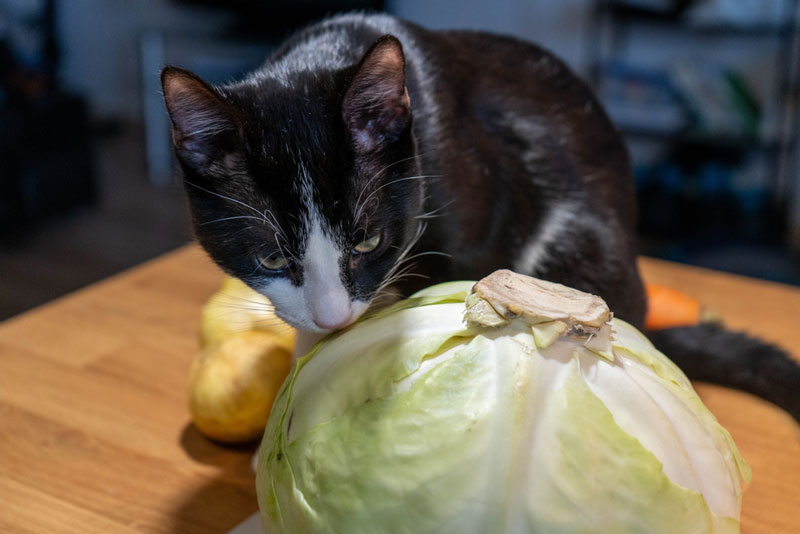
Have you ever wondered if your cat can eat cabbage? This common vegetable may seem harmless, but is it safe for our feline friends? The answer is yes, cats can eat cabbage in small amounts! While they are obligate carnivores and primarily thrive on meat, a few veggies here and there won’t hurt them. However, it’s important to know how to properly serve cabbage to make sure our furry companions stay safe and happy.
Cabbage isn’t just a crunchy side dish; it’s packed with nutrients that can sometimes be beneficial to cats. What’s even more interesting is that some cats might actually enjoy the taste and texture of cabbage. This can be a fun way to offer a bit of variety in their diet, but it must be done correctly. Cabbage can introduce different flavors and give your kitty a chance to explore new foods while still keeping their overall diet balanced. Our curiosity often leads us to explore new ideas, so who wouldn’t want to know more about cabbage for cats?
If you’re intrigued about the ins and outs of feeding cabbage to your cat, stick around! We’re here to walk through everything you need to know, from the benefits and risks to how to properly serve it up. So grab a cup of kitty-friendly herbal tea, and let’s jump into the wonderful world of cabbage for cats!
You might also be interested in: Can Cats Eat Kale?
Can Cats Eat Cabbage?
When considering if our cats can eat cabbage, it’s important to recognize that cats are unique creatures with specific dietary needs. They are obligate carnivores, which means their primary diet consists of meat. They thrive on animal proteins and usually require certain nutrients that can only be found in animal tissues. Cabbage is not a traditional part of their diet, but that doesn’t mean it should be completely off-limits. In fact, many pet owners have found that offering small amounts of cabbage as a treat can be a fun way to enrich their cat’s experiences.
Now, why might we consider cabbage for our kitties? One reason is that cabbage can provide some essential vitamins and minerals. It is rich in vitamin K, vitamin C, and several B vitamins, which can help with overall health. Additionally, cabbage contains fiber that can aid in digestion. However, we must remember that the quantities matter! Large amounts of cabbage can cause tummy troubles for our cats, leading to issues like gas or upset stomachs.
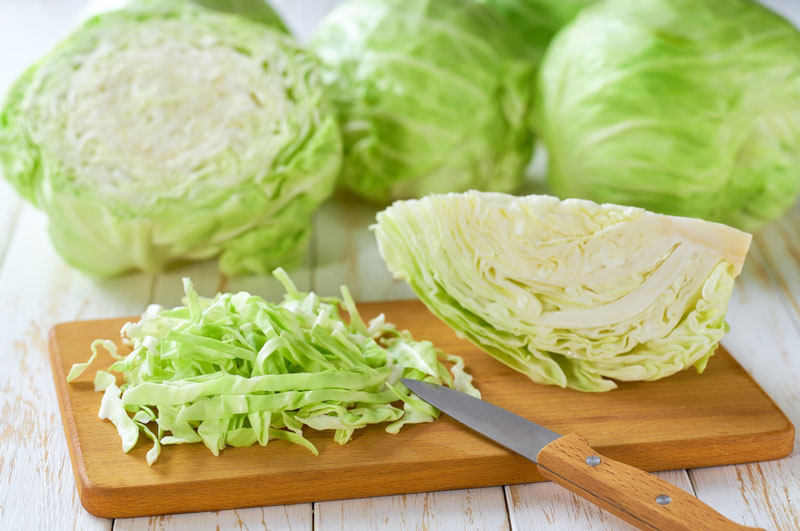
Before presenting cabbage to our furry friends, it’s advisable to cook it lightly. Raw cabbage might be too tough for your cat’s delicate stomach, so steaming or boiling just until softened can make it easier to digest. Once it’s cooled, you can chop it into small pieces for your cat to munch on if they show interest. Like introducing any new food, always keep an eye on how your pet reacts, and if there are any signs of discomfort, it’s best to pause the cabbage party.
How Much Cabbage Can Cats Eat?
So, how much cabbage can our feline companions safely enjoy? The key here is moderation! While a little bit can be a nice addition to your cat’s diet, too much can lead to digestive issues. A general rule of thumb is to keep the cabbage serving small—think of it as a special treat rather than a regular part of their meals. If your cat is trying cabbage for the first time, start with a tiny piece, about the size of your fingertip, and watch to see how they react.
After that, if they seem to enjoy it without any digestive repercussions, you can gradually increase the serving size, but not exceeding a teaspoon or so for an average-sized cat. Less is more when it comes to non-meat foods for our feline friends. If your cat really loves the taste, you’ll know just how much to offer without pushing their little tummy overboard!
Keep in mind that each cat is unique. Factors like their weight, age, and overall health should influence how much cabbage they can safely consume. A fluffy kitten might have more playful energy to burn than a senior cat lounging around all day, which impacts how many calories they need, and thus how many treats they can enjoy. Having a conversation with your veterinarian about your specific cat’s dietary needs is also a great strategy!
If you notice any signs of discomfort after your kitties have dabbled in some cabbage—like vomiting, diarrhea, or excessive gas—be sure to remove it from their diet immediately. Just like humans, some cats can have sensitive stomachs and may not react well to certain vegetables. Always observe their reactions and take notes. This helps to ensure that we provide the safest and healthiest choice of foods for our furry friends.
Benefits Of Cabbage To Cats
1. Nutritional Value: Cabbage is loaded with vitamins and minerals that can be beneficial to our cats. It contains vitamin C, which supports the immune system, and vitamin K, which is essential for proper blood clotting. While cats can produce their own vitamin C, having some extra from cabbage might give their immune system a little boost during seasonal changes. The fiber in cabbage can help with digestion, aiding in regularity and even keeping their bowels healthy! Remember, a happy tummy often leads to a happy kitty!
2. Low-Calorie Snack: For those cats that could use a bit of help maintaining their weight, cabbage can be a fantastic low-calorie addition to their diet. Instead of reaching for high-calorie treats, we can offer them a small piece of cabbage, which can feel like a treat without adding too much to their daily calorie intake. This can be an easy compromise when our cats are begging for food but need to manage their weight!
3. Encourages Hydration: Cabbage has a high water content, which can help keep our feline friends hydrated, especially if they have a diet low in moisture. Many cats do not drink enough water, and they can be prone to urinary issues. Offering cabbage may add a little extra hydration, helping to keep their kidneys in tip-top shape. Incorporating some wet food or fresh veggies like cabbage can make a difference!
4. Variety in Diet: Adding a little cabbage to our cats’ diet can introduce variety and help prevent boredom. Just like us, cats can get tired of eating the same thing every day. By offering new flavors and options, we can create positive eating experiences and stave off picky eaters. Who knows? They might just surprise us with how much they enjoy their new crunchy snack!
5. Enrichment Opportunities: Feeding cabbage can create enrichment opportunities for our cats. Watching them explore the texture and flavor can provide mental stimulation and encourage their natural foraging instincts. By hiding little pieces of cabbage around the house, we can turn mealtime into a fun and interactive experience. Stimulating activities help our kitties stay engaged, reducing boredom and stress!
Dangers Of Feeding Cabbage To Cats
While cabbage can be a safe treat for cats, it is essential to be aware of potential risks and dangers that come with introducing it into their diet. One major concern is the possibility of digestive issues. Cats’ stomachs can be sensitive, and large amounts of cabbage can lead to gas, bloating, or even diarrhea. This can be particularly true if your cat is not used to consuming vegetables. It’s vital to start with small amounts and observe their reactions closely.
Another aspect to consider is the possibility of an allergic reaction. Though rare, some cats might develop food allergies over time. Symptoms could include skin irritations, excessive grooming, or gastrointestinal upset. If we notice these signs after introducing cabbage, it’s best to remove it from their diet and consult with our veterinarian.
Additionally, cabbage belongs to the cruciferous vegetable family, which includes broccoli and kale. These vegetables can sometimes produce goitrogens, substances that can interfere with thyroid function if consumed in large quantities. We are looking to avoid any potential complications, so moderation is the key and should be our guiding principle.
Cats can also be picky eaters! If they suddenly refuse to eat certain foods, it could be their way of signaling that they’re not happy with the changes we’ve made to their meals. Their preferences can change, and it’s essential to respect their likes and dislikes. Don’t be discouraged if your kitty turns up their nose at cabbage; we can always explore other options!
Substitute Of Cabbage For Cats
1. Spinach: If your cat seems curious about leafy greens, spinach could be a great substitute! Rich in vitamins A, C, and K, spinach can offer similar benefits without the risks associated with cabbage. Just be sure to serve it in moderation, as too much spinach can lead to kidney problems in some cats.
2. Carrots: Cats may also enjoy some cooked carrots! These crunchy orange gems are full of vitamins and can be tempting for our felines. Steam them to make them soft and easy on their tummies. Just remember to chop them into small, cat-sized pieces.
3. Peas: Another veggie option is peas! Cats can eat cooked peas safely, and they provide protein and fiber, which are beneficial in moderation. Plus, they can turn mealtime into a fun game as your kitty tries to catch those round, bouncing peas!
4. Green Beans: Green beans can also be a crunchy, low-calorie treat for your cat. They can be served steamed and cut into small pieces. Many cats enjoy the texture of green beans and may find them delicious!
5. Pumpkin: Pumpkin is a fantastic alternative and offers numerous health benefits for cats. It can help with digestion and is commonly recommended to treat constipation. Just be sure to use plain canned pumpkin and not sugary pie filling!
Can Cats Eat Cabbage? Frequently Asked Questions
Can All Cats Eat Cabbage?
While many cats can eat cabbage, it’s important to check if your kitty has any special dietary restrictions and always start with small amounts. Monitor them for any reactions before making it a regular snack.
Should Cabbage Be Cooked For My Cat?
Yes! Cooking cabbage lightly makes it easier for cats to digest. Steaming or boiling and chopping it into small pieces can make it more appetizing for our feline friends.
What Should I Do If My Cat Has An Upset Stomach After Eating Cabbage?
Stop feeding cabbage immediately and consult your veterinarian if your cat is experiencing any digestive problems after eating it. They can provide the best advice on how to handle the situation.
Can Cats Eat Other Vegetables?
Yes, many other vegetables are safe for cats in moderation! Some good options include spinach, carrots, peas, and green beans. Always research and ensure they’re properly prepared before sharing them with your cat.
Is Cabbage Safe For Kittens?
Kittens should generally stick to their specially formulated kitten food. If you want to introduce cabbage to older kittens, start with a small amount and ensure they have no sensitivities before offering it regularly.
Final Thoughts
As we wrap up this exploration of cabbage for our cats, we can see that while it’s safe in moderation, being aware of many factors is key. Cabbage can introduce beneficial vitamins and minerals while providing an exciting opportunity for varying our cats’ diets.
It’s always best to approach new foods with caution and love. Observing how our furry companions react will help us tailor their diets in a way that is both enjoyable and beneficial. If you happen to notice any adverse effects, it’s best to hold off on any veggies and check in with our trusted veterinarians.
Let’s keep supporting our cats as they help us learn about their preferences and explore the wonderful world of what they can safely enjoy. Remember, variety is the spice of life, and we owe it to our kitties to offer experiences that keep them happy and healthy. For more intriguing information on feline nutrition, don’t hesitate to explore our other guides, such as what else is safe for cats or even what cats can eat. Happy feeding!