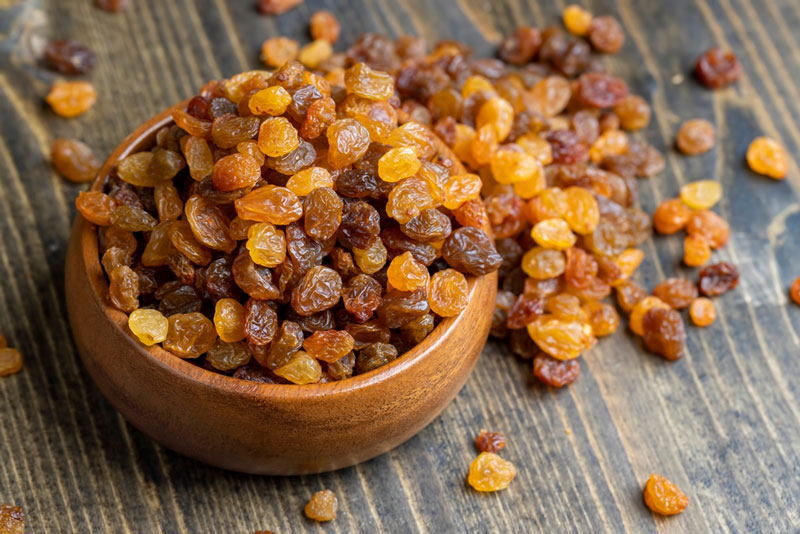
Can cats eat raisins? If you’re wondering about this, the answer is a loud and clear no! Cats should not eat raisins. In fact, raisins, along with grapes, can be quite dangerous for our feline friends. You might be thinking, “But my cat looked at those raisins like they were treats!” Trust us, it’s best to keep those little dried fruits out of reach!
Let’s explore the reason why raisins are on the naughty list for our furry companions. Cats, being obligate carnivores, have specific dietary needs that require protein and fat, not fruits or sugars! Stick around because we’re going to take a closer look at the potential risks and alternatives for treating our beloved pets.
You might also be interested in: Can Cats Eat Nuts?
Can Cats Eat Raisins?

Absolutely not! As pleasant as raisins might seem from our perspective, they pose a significant risk to cats. While we might enjoy snacking on these sweet, chewy treats ourselves, they can cause serious health issues in our feline companions. The exact mechanism causing this bad reaction is not well understood, but it is clear that both grapes and raisins can lead to acute kidney failure in cats. Symptoms might include vomiting, lethargy, and even not wanting to eat, which is a strong red flag in our beloved pets.
While some pets seem to handle a small amount without immediate signs of trouble, we know that it is often not worth taking the chance for the long-term health of our cats. Our duty is to ensure their safety and well-being, and prevention is a huge part of that. So, if you’re looking for healthy snacks for your kitty, it’s best to steer clear of raisins and grapes altogether!
Even if our furry pals give us those pleading looks, we need to be assertive and avoid giving into their charms where these fruits are concerned. It’s fascinating how something that is perfectly safe for us could be dangerous for them. Remember to treat them kindly, but sensibly!
How Much Raisins Can Cats Eat?
It’s quite simple: the amount doesn’t matter when it comes to raisins – they’re a no-go zone for our cats. There isn’t a safe quantity to consider. Even a single raisin can cause an adverse reaction. So why take the risk? It’s safer for us and our pets to just skip them whenever we’re anywhere near raisins. Think of them as cat no-nos, similar to chocolate which we know is toxic to dogs and cats alike.
Now, how much grapes or raisins can actually harm a cat? Research indicates that even small amounts can lead to kidney damage. The severity and symptoms can vary widely from one cat to another. The best thing we can do is to eliminate raisins from our pet’s diet altogether. Just a tiny, innocent-looking raisin can create big problems, so let’s ditch those sugary bites and keep our kitties safe!
If you ever suspect that your cat has consumed raisins, never hesitate to contact your veterinarian as soon as possible. Quick action is important to provide the best chance of recovery. Following the golden rule of ‘better safe than sorry,’ we always need to prioritize our pets’ health and well-being.
Benefits Of Raisins To Cats
1. When it comes to the topic of raisins, we can agree that there are absolutely no benefits for cats. Raisins do not provide any of the nutritional needs that cats require. Instead, we must focus on providing the right nutrients through a balanced and species-appropriate diet. This means offering high-quality feline-specific food that includes proteins, healthy fats, and minimal carbohydrates.
2. Since raisins do not offer anything beneficial, it’s also important we recognize there are plenty of other delicious and healthy snack options out there for our furry companions. Chicken, tuna, and a variety of cat treats formulated specifically for their dietary needs can be much tastier – and safer – than raisins. We can bond with our kitties through mealtime by offering tasty options that make their tails wag with joy!
3. Not only do we want our pets to have a balanced diet, but we also want to educate ourselves to ensure we’re making the right decisions. Keeping ourselves informed about what our furry companions can or cannot consume promotes healthy living. The more we know, the better caregivers we can be for our pets.
4. Engaging with our pets during snack time builds a stronger bond. By avoiding raisins, we can encourage healthy snacking habits. There are so many fun and playful ways we can reward them, which further strengthens our connection. From catnip to their favorite cat treats, we can explore safer alternatives together!
5. Lastly, keeping our kitties away from harmful foods like raisins showcases our love and responsibility as their caretakers. It lets us show our devotion, nurturing, and understanding of feline health. By doing this, we’re taking one step closer to creating joyful and happy lives for our beloved pets. Together, we can ensure a safe and healthy environment for our furry friends.
Dangers Of Feeding Raisins To Cats
The dangers of feeding cats raisins are quite serious. As we’ve mentioned, even just a small amount can lead to potential kidney failure. This is a major red flag and we don’t want to have to face the consequences of that! Symptoms such as lethargy or decreased appetite are not to be taken lightly. If we notice any of these signs after our cats have managed to sneak a raisin, we must react swiftly.
If we think about it, why would we want to take that risk? The potential effects far outweigh any fleeting pleasure our cats might get from munching on a non-carnivorous snack. It’s crucial for us to watch for common signs of kidney distress, including increased thirst, frequent urination, or noticeable weight loss. Identifying these early symptoms can make a world of difference!
Kidney failure is challenging enough for us humans; it becomes even tougher for our cats that rely on us to protect them. In extreme cases, kidney failure can be fatal, making it even more vital that we avoid giving them raisins at all costs. If you ever have concerns, a quick call to the vet is the best course of action. They will know how to proceed and what treatment options are available. Having that safety net is essential for our peace of mind.
Additionally, it’s worth noting that the reactions can be cumulative. This means that sometimes repeated exposure can turn something seemingly harmless into a fine recipe for disaster. We must always keep interactive treats and cat-safe options at our fingertips, ready to snatch away those potentially dangerous items!
By taking the initiative to eliminate raisins from our cats’ lives, we’re safeguarding them from risks and educating ourselves about proper pet care. After all, being well-informed is part of being a great cat parent!
Substitute Of Raisins For Cats
1. Cooked Chicken or Turkey: If your kitty’s giving you those puppy dog eyes for a tasty snack, you can offer a safe substitute like cooked chicken or turkey. Many cats absolutely love these protein-packed treats and they’re safe to consume.
2. Canned Tuna: Alternatively, canned tuna can be an exciting option for kitty snack time. Just remember to keep it in moderation! Too much tuna can lead to health problems down the line, but in small amounts, it’s a delicious way to pamper them.
3. Freeze-dried Treats; made specifically for cats are another fabulous alternative. These crunchy morsels come in a plethora of flavors and textures that are often irresistible to cats, providing them with the satisfaction they crave!
4. Vegetables: Some fresh vegetables can also work well, provided they’re cat-safe. Carrots or peas can sometimes be enticing, just make sure to serve them in a way that’s easy for the cat to manage.
5. Catnip: Lastly, catnip is the ultimate treat for many felines. It’s playful, engaging, and completely safe for our furry friends. Try sprinkling some on their bedding or using it within toys, and watch as they delight in the amazing experience!
Whatever treats we decide to give our precious furballs, our primary goal should always be their happiness and health. There are plenty of safe and enjoyable options available, so let’s focus on providing what makes them thrive!
Can Cats Eat Raisins? Frequently Asked Questions
What Should I Do If My Cat Ate Raisins?
If you think your cat has eaten any raisins, contact your vet immediately. They will provide guidance on what you should do next, and it’s always better to be safe than sorry!
Are All Grapes And Raisins Dangerous To Cats?
Yes! Both grapes and raisins can be harmful to cats, regardless of the amount consumed. Always keep these foods away from our furry friends.
Can A Cat Die From Eating Raisins?
Sadly, yes. Eating raisins can lead to kidney failure, which can be fatal without timely treatment. Always prioritize your pet’s safety!
What Are Safe Treats For Cats?
Safe treats include cooked chicken, canned tuna, freeze-dried options, certain vegetables, and catnip. These goodies will provide safe and enjoyable snacking alternatives for your kitty!
Can Kittens Eat Raisins?
No, kittens shouldn’t eat raisins any more than adult cats. Raisins are not safe for any feline at any age.
Final Thoughts
Overall, when it comes to the safety of our cats, we must be vigilant. Raisins might seem innocent, but they’re dangerous for our furry companions without a doubt. That said, let’s encourage our furry pals to enjoy safe and tasty treats that boost their health and happiness.
Being a pet owner means constantly learning how to care for the ones we love. By making informed choices, we really contribute to their overall health and happiness. If you’re curious about other foods, check out our articles, such as can cats eat peanut butter? and can cats eat sour cream? Enjoy happy, healthy moments with your feline companions!