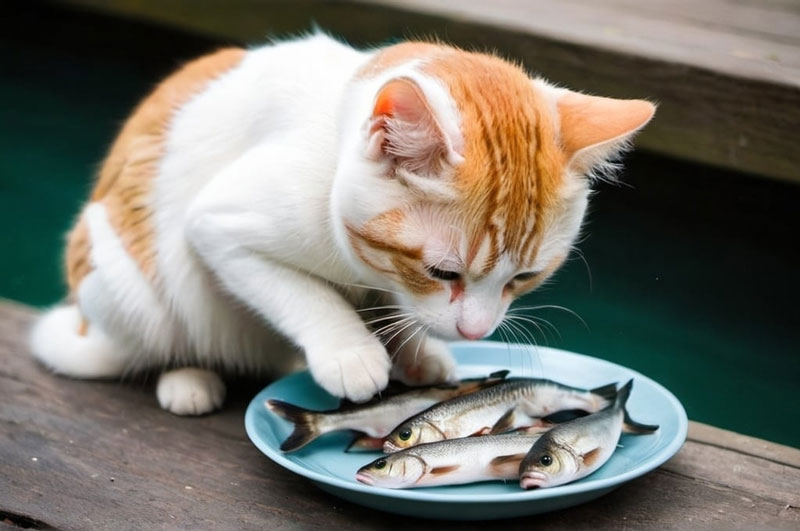
Can cats eat fish? This is a question on many pet owners’ minds. The simple answer is yes, cats can eat fish! Cats are obligate carnivores, which means that they need meat in their diet to thrive. Fish is a type of meat and can be a tasty treat for our feline friends.
Fish is not just a delicious meal; it’s also packed with healthy nutrients that can benefit our cats. While some cats may love the taste of fish, we need to be careful about how often we serve it to them. It’s essential to understand the benefits and potential risks of feeding fish to our furry companions. So, before we toss a fish fillet their way, let’s explore this topic more thoroughly.
Read on as we dive deep into whether cats should eat fish, how much, and what precautions to consider!
You might also be interested in: Can Cats Eat Fish Bones?
Can Cats Eat Fish?
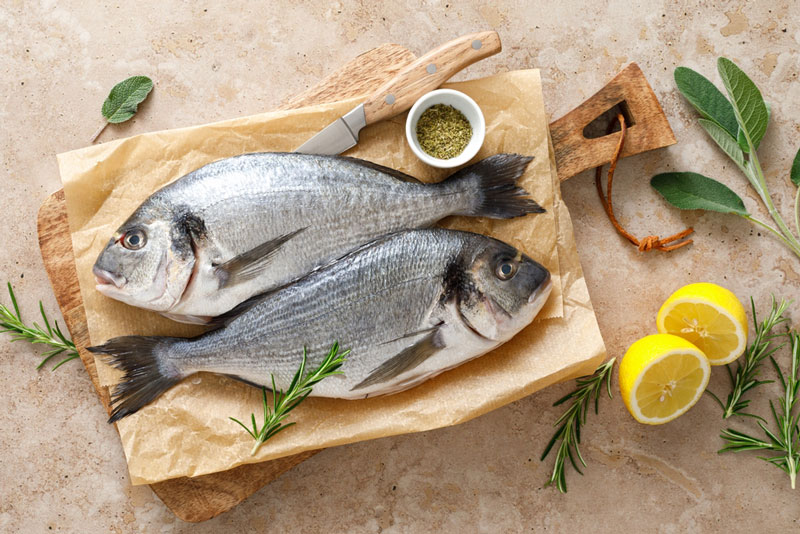
As we begin to chew on this fishy subject, let’s discuss what it means for cats to eat fish. Cats can eat fish, and many of them enjoy it. In fact, fish can be a tasty addition to a cat’s diet, providing protein and omega fatty acids that are good for their health. However, not all types of fish are safe for our felines. Some fish, like tuna, can be enjoyed on occasion, but it’s important to limit their intake. What might seem scrumptious for our cats may not always be the healthiest option.
Fish contains nutrients that cats need, such as proteins, vitamins, and minerals. It can help with their immune system and contribute to a shiny coat. However, too much fish can lead to imbalances, just like if we ate pizza for every meal! Moderation is key. We should be cautious about the type of fish we choose and the preparation method as well. Cooking fish without any added spices or oils is the best way to ensure it remains a safe treat.
How Much Fish Can Cats Eat?
Now that we’ve established that cats can eat fish, let’s explore how much fish we should serve them. Generally, fish should only make up a small portion of their diet. A few bites here and there as a treat is perfectly fine, but it shouldn’t replace their primary source of nutrition, which should be a balanced cat food that meets their dietary requirements.
As a guideline, fish should only make up about 5 to 10 percent of our cat’s total diet. If your cat is about 10 pounds, that could mean about half an ounce to one ounce of cooked fish once or twice a week. However, every cat is different. We should observe how our cats react to fish and adjust accordingly. Some cats may have a more sensitive stomach or allergies, and we don’t want to risk an upset tummy! If we notice any adverse reactions after giving our cats fish, it’s best to consult with our veterinarian.
Additionally, we should avoid feeding them raw fish, as it may contain parasites or bacteria that can harm our beloved pets. Always ensure everything is well-cooked, and when in doubt, keep the fish as an occasional treat rather than a regular meal. It’s all about balance and looking after our cats’ health.
Benefits Of Fish To Cats
Now, let’s look at the benefits of feeding fish to our feline companions:
1. Protein: Fish is rich in protein, and protein is the building block of our cats’ bodies! Cats need protein for energy and to maintain a healthy weight. When we treat our cats to fish, they get a delicious protein boost.
2. Omega-3 Fatty Acids: are abundant in fish. These are good fats that help to support our cat’s heart, skin, and coat health. Omega-3 fatty acids also play a role in reducing inflammation and can even support their joint health. Who wouldn’t want their furry friend to have a shiny coat?
3. Vitamins and Minerals: Fish is a great source of essential vitamins and minerals. Many types of fish provide vitamins B6 and B12, and important minerals like phosphorus and selenium. These nutrients help with various body functions, such as metabolism and immune health.
4. Mentally Stimulated: This protein-rich treat can keep our cats entertained and mentally stimulated. Think about the fun factor! Picture your kitty going crazy over a fish-flavored treat or cooked salmon. It’s a great way to keep them happy and engaged.
5. Cat Diet: Fish can be a wonderful addition to a homemade cat diet. If we decide to cook for our cats, fish can be a tasty ingredient along with other wholesome foods. Just remember to do it the right way and make sure it’s balanced!
Dangers Of Feeding Fish To Cats
Even though there are several benefits to feeding our cats fish, we should also be aware of the risks and dangers associated with it. It’s important for us to take precautions when adding fish to our cat’s diet.
One major risk is mercury exposure. Some fish, like tuna, are known to contain higher levels of mercury. When cats eat too much fish with mercury, it can lead to toxicity over time. Symptoms could include fatigue, lack of coordination, or even neurological issues. It’s crucial to limit the amount of fish we give our cats and to avoid serving high-mercury varieties frequently.
Another concern is the potential for allergies. Just like humans, some cats can develop allergies to certain proteins in fish. If your cat shows signs of an allergy, such as itching, skin irritations, or gastrointestinal upset, it may be time to cut out fish from their diet and talk to a vet.
There is also the issue of bones. Fish can be bony, and we want to avoid any choking hazards. If we do decide to give our cats fish, it’s important to ensure it is deboned and safe to eat. Additionally, fish should be cooked properly without any sauces or seasonings. Spices can be harmful to cats, so keeping things plain is ideal!
Lastly, don’t forget that fish should not replace a cat’s regular dietary needs. If we substitute them with fish completely, they might not get the essential nutrients they need for a balanced diet. Always ensure fish is just a small part of their overall meals.
Substitute Of Fish For Cats
If we’re thinking about feeding our cats fish, there are several alternatives we can consider that can still provide them with the protein and nutrients they need. Let’s explore some of these substitutes:
1. Cooked Chicken: Chicken is a top choice! It’s a great source of protein for our feline pals. Cooked chicken is usually well-liked, and just like fish, it can provide important nutrients that support their overall health.
2. Turkey: This is another fantastic option. It’s lean and packed with protein, making it an excellent alternative to fish. Like chicken, it should be served cooked and without any added spices.
3. Eggs: These are safe for cats and are a great source of protein and healthy fats. Scrambled or boiled eggs can make for a delightful treat for our cats who deserve some yummy variety in their diet!
4. Meat: Certain types of meat, like beef or lamb, can be included too. As long as they are cooked properly and cut into manageable pieces, they can offer cats a different taste while still giving them the protein they need.
5. Commercial Cat Foods: This often contain a balanced mix of proteins that might include fish, chicken, or beef. Opting for high-quality cat food ensures our furry friends get a nutritious diet without worrying too much about what they eat!
Can Cats Eat Fish? Frequently Asked Questions
Is Fish Safe For Kittens?
Feeding fish to our kittens can be risky if we are not careful. Although they can eat fish, it should be given in moderation and done with caution. Always consult a vet for guidance on a kitten’s diet, as their dietary needs are different.
What Type Of Fish Can I Feed My Cat?
Safe fish options include cooked salmon, cod, and sardines. Avoid high mercury varieties like tuna and mackerel. Always serve fish plain, without sauces or seasonings.
What Other Foods Are Safe For Cats?
In addition to chicken and turkey, cooked vegetables like carrots or peas can be shared as long as they are cat-friendly and appropriately prepared. Always do research or consult with a vet before introducing new foods to our cat’s diet!
Can I Give My Cat Fish Oil?
Fish oil can be beneficial for cats, as it contains omega fatty acids. However, it should be given in moderation, and it’s best to seek advice from a veterinarian before adding supplements to their diet.
What Are The Signs Of A Fish Allergy In Cats?
If our cats have a fish allergy, they may itch, develop skin irritations, or experience gastrointestinal upset. It’s important to keep an eye on them and see a vet if any unusual reactions occur after eating fish.
Final Thoughts
Feeding our cats fish can be a delightful and nutritious treat when done safely. While fish offers wonderful health benefits, it’s important to remember that moderation is key. We should ensure that fish is a small part of a balanced diet and be mindful of the risks associated with specific types of fish and preparation methods.
As loving cat owners, we should always keep our furry friends’ health in mind. If we have any questions or concerns, we are encouraged to reach out to our veterinarian for guidance. And as we explore more about our pets’ diets, be sure to check other topics related to keeping our pets healthy, such as what cats can and cannot eat! Let’s keep our pets happy and healthy together!