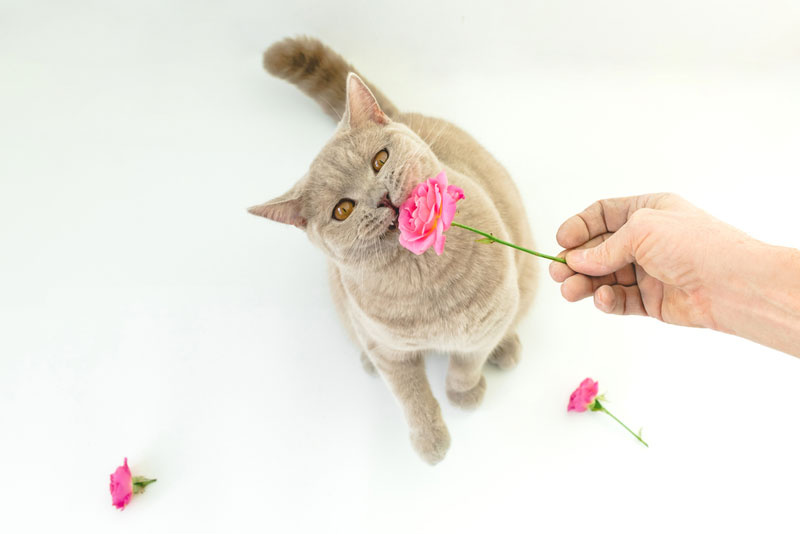
Did you ever wonder if your furry feline friend can safely nibble on those beautiful roses in your garden? Well, to answer your question, no, cats should not eat roses. While they may find the petals enticing and colorful, these lovely flowers can be quite harmful to them. It’s always better to keep roses and any other potentially toxic plants away from curious kitty paws.
As we enjoy the beauty of flowers, it’s important to consider our furry friends who may want to indulge in a little snack of their own. Roses contain certain compounds that can upset a cat’s stomach and lead to some unpleasant effects. So, while we may love the sight of roses blooming, we must think about how to keep our feline companions safe from harm and unnecessary discomfort.
So, stick around, and let’s chat more about why roses are not a cat’s best snack choice, what to do if your cat gets into them, and some great alternatives for your lovely feline. By the end of this, you’ll be a rose-savvy pet owner who knows exactly how to keep their kitty happy and healthy!
You might also be interested in: Can Cats Eat Bones?
Can Cats Eat Roses?

Roses can be a beautiful addition to our gardens and homes, but they do pose some risks for our cats. When we think about the safety of our furry friends, it’s imperative to consider what plants we have around them. While roses are not highly toxic in small amounts, they can cause digestive upset in cats if ingested. Most cats tend to avoid eating roses due to their strong scent and taste, but if your kitty is particularly curious or adventurous, they might nibble on them. Since roses belong to the family of plants that may cause mild toxicity, we should err on the side of caution.
It’s worth noting that the main concern with roses is not only the plant itself but also the pesticides and chemicals that are often used to treat them. These substances may pose a more significant risk. Thus, when keeping roses in our homes or gardens, we should be mindful of what substances might affect our furry companions.
How Much Roses Can Cats Eat?
If your cat happens to take a tiny nibble of a rose, there’s usually no cause for alarm. However, the amount your cat consumes matters greatly. A few petals may lead to a mild tummy upset, with symptoms that could include drooling, vomiting, or diarrhea. While this may not sound pleasant, it is typically self-limiting and can be managed at home. But if your cat consumes a large quantity of rose leaves or petals, that’s when we should get a little more serious.
In the event that your cat has an unusually high intake of roses, it’s time to get your paws moving and consult a veterinarian. They can guide us on the best steps to take and provide any necessary treatment. Always keep an eye out for any signs of distress, and it’s better to take precautionary measures if you are uncertain about the amount your cat has consumed.
We should also remember that not all roses are created equal! Some roses can be more treated with chemicals than others, and this can be more harmful to our furry friends. It’s crucial to monitor our cats’ behavior if they seem to be curious about anything new in their environment.
To help reinforce safety, it’s good practice for us cat owners to provide plenty of non-toxic plants for our cats to explore and nibble on. This way, we can satisfy both their curiosity and their need to chew in a safe manner.
Benefits Of Roses To Cats
1. Natural Beauty: Having roses around can brighten up any space and bring joy to our lives. We can enjoy the visual benefits while keeping them out of reach of our cats. The mere presence of such flowers can uplift spirits and serve as a wonderful conversation starter.
2. Aromatherapy: The beautiful fragrance of roses can reduce stress for both us and our cats. We should always ensure that our furry friends are in a calm and soothing environment. This can contribute to their overall well-being.
3. Enhances Home Environment: Having roses around creates a pleasant atmosphere in our homes. We can foster a lively environment for our cats to roam while ensuring that the plants are maintained at a safe distance from their reach.
4. Inspiration for Creativity: Roses have been celebrated in poetry and art for centuries. We can use their beauty as inspiration, whether we are crafting paintings or simply enjoying moments in nature. Losing ourselves in these creative endeavors can improve our overall happiness, which indirectly benefits our pets, too!
5. Gardening Together: We can involve our cats in gardening through safe practices. Between planting and enjoying the sights, we can create a bonding experience! Just remember to keep those roses at a safe distance to keep our furry friends happy and safe.
Dangers Of Feeding Roses To Cats
While roses may add beauty to our lives, we need to be aware of the risks they pose for our cats. The main trouble comes from the potential for gastrointestinal issues if a cat consumes parts of a rose. Symptoms can range from mild upset stomach to more severe digestive symptoms.
Moreover, dips in chemicals or pesticides from treated flowers can lead to serious complications. Some feline friends may experience a severe reaction, which can include lethargy or even respiratory issues. Always check with local gardening stores to know what products are safe for use around pets, and prefer to grow organic plants.
It’s important to monitor our kitty’s behavior when they are around any plants. Signs of trouble can include excessive pawing at their mouth or face, frequent grooming, or lack of appetite. If we see any of these troubling signs, calling our vet for advice is always the best step forward.
If your cat does eat roses and displays symptoms of distress, we can consider home remedies for mild cases but consult a professional if anything worsens. Being proactive helps us safeguard our furry family members while enjoying the beauty of our gardens!
Substitute Of Roses For Cats
1. Cat Grass: Cat grass is one of the healthiest options for kitties who love to munch on plants! It’s safe, natural, and actually provides fiber, which is great for their digestion. Whether it’s wheat or barley grass, it would be a perfect replacement for those curious cats.
2. Catnip: Ah, the famous catnip! Most cats go crazy for this herb. It’s safe and non-toxic, providing joy and enrichment for our furry friends. It can keep them entertained and distracted from other non-cat-friendly plants!
3. Spider Plant: Interestingly, spider plants are considered non-toxic to cats. They can chew on this resilient house plant without risk, giving them the munchies without worries. Bonus—these plants can thrive almost anywhere!
4. Valerian Root: This lesser-known herb can produce delightful effects on cats, similar to catnip. It’s not toxic, and if you grow it in your home, our feline friends might enjoy a safe little nibble here and there.
5. Basil: Believe it or not, cats may also show interest in basil! Not only is it safe for them, but its aromatic nature adds a lovely scent to our homes. Plus, it can be a wonderful addition to our culinary adventures too.
Can Cats Eat Roses? Frequently Asked Questions
Are All Types Of Roses Safe For Cats?
True roses (Rosa species) are generally considered non-toxic to cats. However, that doesn’t mean they’re safe to eat. The petals, stems, and thorns can cause mouth irritation, choking, or digestive upset. Also, many roses are treated with pesticides or floral preservatives, which can be harmful if ingested.
What Should I Do If My Cat Cats A Rose?
If your cat chews on a rose petal or leaf, monitor them for signs of mouth irritation, vomiting, drooling, or difficulty swallowing. Remove any remaining plant material from their mouth if it’s safe to do so. Contact your veterinarian if symptoms develop or if your cat swallowed thorns or a large amount.
Can Cats Eat The Leaves Of Roses?
Rose leaves are not toxic, but they’re not safe for cats to eat. The rough texture can irritate the mouth and stomach, and leaves may carry chemicals from garden treatments. Ingesting leaves may lead to vomiting or diarrhea.
Are There Any Safe Flowers For Cats To Eat?
Cats don’t need to eat flowers, but some non-toxic options include cat grass, catnip, and certain herbs like basil or parsley in tiny amounts. Always verify plant safety, as many common flowers—such as lilies, tulips, and daffodils—are highly toxic to cats.
How Can I Keep My Cat Away From My Roses?
Place roses out of reach, use hanging planters, or keep them in areas your cat can’t access. Avoid using toxic pesticides, and consider deterrents like citrus scents or providing cat-safe plants (such as cat grass) to redirect your cat’s interest.
Final Thoughts
In a world filled with beautiful flowers, roses hold a special place in our hearts. They can brighten our spaces but pose certain risks to our feline companions. While roses should be kept out of reach, we can still enjoy their beauty by creating a cat-friendly home environment.
Ultimately, our furry friends help remind us to prioritize their safety while enjoying our gardening adventures. Always keep an eye on what they might be nibbling on and consider safe alternatives. The joy of having pets and plants can go hand in hand! And remember, keeping our cats happy helps keep us happy! If you’re interested in learning more about pet safety, feel free to explore some insightful articles, such as our guide on can cats eat asparagus or can cats eat rosemary!