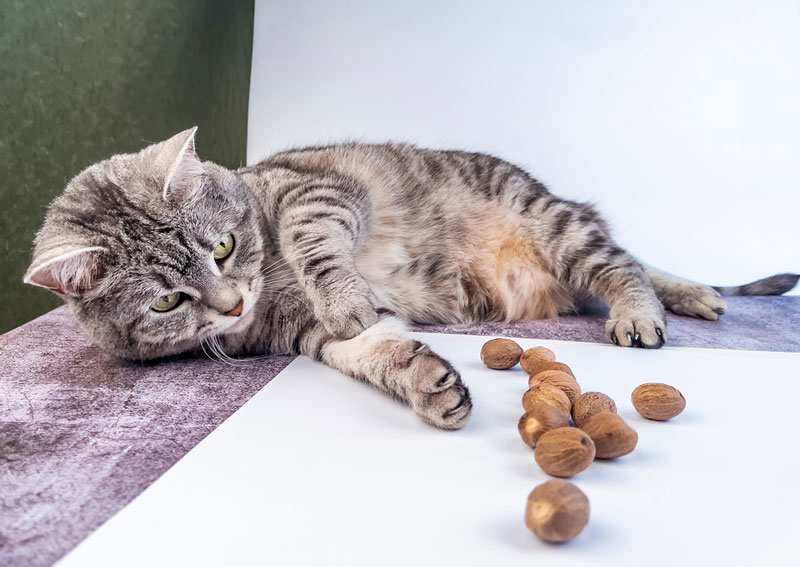
Have you ever wondered, can cats eat nuts? Well, the answer is no, cats cannot eat nuts safely. While we may enjoy munching on various types of nuts, they can pose health risks to our feline friends. You might be asking yourself, “But my cat is curious and wants to try everything I eat!” It’s true. Cats are naturally curious creatures but that doesn’t mean everything is safe for them to consume. In fact, nuts can lead to digestive issues, toxicity, or even weight gain.
Our feline companions have unique nutritional needs that are quite different from ours. It’s always best to stick to a balanced diet specifically designed for cats, with cat food enriched with the nutrients they require. So, don’t worry, your kitty will not be missing out on anything special by skipping the nuts. They have plenty of delicious feline-friendly options to enjoy!
If you’re curious about the specifics—more about the risks, possible substitutes, and answers to frequently asked questions—stick around. We’ll explore everything you need to know about cats and nuts, keeping our furry pals safe and healthy!
You might also be interested in: Can Cats Eat Peanuts?
Can Cats Eat Nuts?
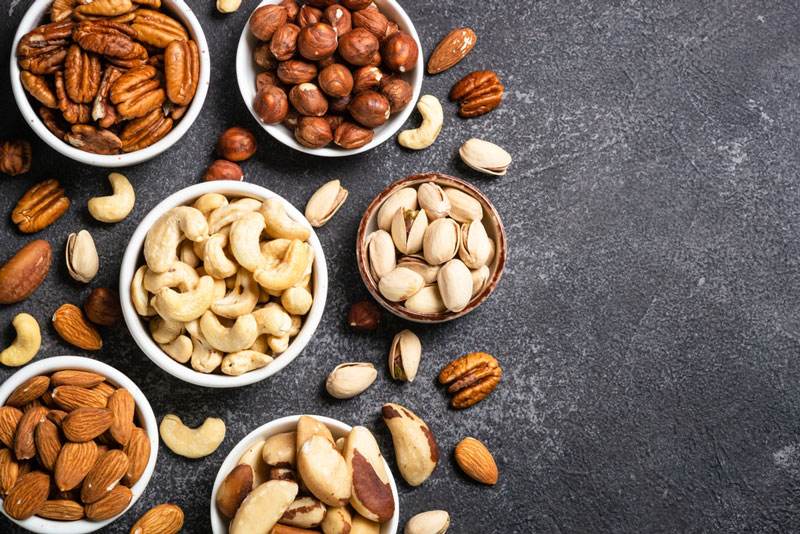
When considering whether cats can eat nuts, let’s take a closer look at nuts themselves. Nuts are snacks many of us enjoy, ranging from almonds to walnuts and peanuts. However, while these treats may be delicious for humans, they aren’t suitable for cats. Cats are obligate carnivores, which means their diet should primarily consist of meat. Their digestive systems are not equipped to process many plant-based foods, including nuts.
Most types of nuts contain substances that can be harmful to cats. For example, macadamia nuts are toxic to dogs and, while not specifically harmful to cats, they are certainly not beneficial. Similarly, walnuts have compounds that can be harmful, along with high-fat content that may lead to gastrointestinal upset in cats. Additionally, many nuts, such as almonds and cashews, are known to be too high in fat and protein content for kitties, potentially leading to pancreatitis or obesity.
Interestingly, cats don’t have the same taste buds as we do. They lack the ability to taste sweetness, which might explain their lack of interest in sweet nuts. Scientific studies suggest that most cats don’t crave treats as we do, so feeding them nuts really doesn’t satisfy their natural instincts. Instead, they thrive on high-protein, meat-based diets.
It’s essential to be mindful of what we share with our pets. Cats often explore their environments by sniffing or tasting things around them. If you happen to have a nutty treat nearby and your curious cat investigates, it’s crucial to prevent them from indulging. Just like people can have allergies or sensitivities, our furry friends can too! This makes it all the more vital to keep nuts out of reach.
In summary, while cats might be curious about the nuts lying around, a quick reminder is needed: nuts are not a suitable snack for our felines. It’s best for their health and happiness if we stick to cat-friendly treats. Let’s look at how much would be safe, should our cats accidentally get into nuts.
How Much Nuts Can Cats Eat?
So, you might be thinking, “If my cat accidentally gets into the nuts, how much is too much?” To answer that question, we need to remember a few important aspects. Even a small amount of nuts can cause an upset stomach in some cats. Therefore, the ideal situation is to avoid nuts altogether.
If your cat has ingested nuts, it’s vital to monitor them closely. Common symptoms of ingestion might include vomiting, diarrhea, or lethargy. If you notice your cat exhibiting any of these symptoms, contacting your veterinarian is advised. They can provide the appropriate guidance based on the type of nut ingested.
A critical point to keep in mind is that occasionally cats may consume small debris of nuts without any immediate issue. However, this is not a recommendation for us to provide them with nuts intentionally. It’s like saying, if a child eats a crumb of chocolate, it’s okay; it should still be avoided overall! The potential risks often outweigh any minor “treat” benefits.
Additionally, a responsible pet owner should always be aware of their cat’s body condition, particularly when it comes to food intake. If a cat has an underlying health condition like diabetes, pancreatitis, or food allergies, anything outside their prescribed diet poses an increased risk. A little nut accidentally eaten might be tolerable in one cat while being harmful to another.
In conclusion, while we might think a tiny handful of nuts wouldn’t hurt them, it certainly does not align with a healthy and safe diet. The best approach is to keep those nuts far away! Instead, consider offering cat-approved treats and maintaining a talk with your veterinarian about maintaining their nutritious diet.
Benefits Of Nuts To Cats
1. When we think about benefits, we need to focus on what truly nourishes our cats. There are many positive aspects of providing a well-balanced diet rich in proteins and other nutrients specifically designed for their dietary needs. Focusing on benefits should not include nuts but should highlight the importance of meat-based nutrients for our kitties’ well-being. A diet rich in proteins, for example, supports their muscle health, keeps their coat shiny, and enhances overall vitality.
2. Another benefit of choosing the right diet for our cats is that it promotes healthy digestion. Specialized cat foods come with the right balance of fibers, which can help reduce hairballs and maintain healthy bowel movements. Unlike nuts, which can cause constipation and other digestive woes, high-quality cat food provides the right balance of moisture and nutrients for optimal health.
3. When cats eat a proper diet, we often see their energy levels increase. This means they are more playful and interactive. Nut-based snacks can lead to lethargy and less activity because of heavy, high-fat content. A proper diet not only keeps them active but also helps maintain a healthy weight—preventing the onset of obesity and its associated complications.
4. We can also consider the dental health benefits of providing our cats with the right food. Some cat foods are designed to promote dental health, helping to clean their teeth as they chew. Nuts, while hard and crunchy, can also lead to cracked teeth or other dental issues. So, why risk it when there are cat food options available that help protect their teeth?
5. Finally, let’s not forget that adequate nutrition also improves our cats’ immune systems. A diet with the right vitamins and minerals boosts their ability to fight off infections and diseases, keeping them feisty and healthy. By ensuring they consume only what is beneficial, we ultimately contribute to a long and happy life for our feline friends.
Dangers Of Feeding Nuts To Cats
Understanding the risks associated with cats eating nuts is essential for any responsible pet owner. As mentioned earlier, there are potential dangers for our feline friends when we allow them to consume nuts. It’s not just about the common risks but also the underlying health concerns that we need to emphasize.
One of the primary risks of nuts is the high fat content. Fat is not inherently harmful to cats; however, high-fat snacks can contribute to weight gain. If our kitties indulge in fats, it’s important to consider that obesity-related ailments such as diabetes and heart disease can become real threats.
Another issue with nuts is the potential for toxicity, especially with certain types. Some nuts like macadamia can cause serious problems, and while they might not be deadly for all cats, it’s wise to err on the side of caution. If you notice your cat sneaking a macadamia nut or any other potentially harmful nut, it’s time for a veterinarian visit.
Additionally, let’s not overlook the risk of gastrointestinal discomfort. Serious cases may lead to pancreatitis, which, as we know, is a painful and serious health condition that requires veterinary intervention. If left untreated, it can potentially be life-threatening. Symptoms to look out for include vomiting, lack of appetite, lethargy, and abdominal pain.
Finally, it’s worth noting that nuts can be choking hazards. When cats play with or chew on nuts, they may accidentally ingest pieces that can pose choking risks. As our dear fur babies typically gulp their food, it’s crucial to avoid items that can cause unexpected complications.
Substitute Of Nuts For Cats
1. Cat Treats: Now that we have explored the risks, let’s talk about some substitutes that are delightful and beneficial for our feline companions. One great option is cat treats that are specifically designed for them. These can be found at any pet store and are made to provide essential nutrients while satisfying that craving for a munchy snack!
2. Freeze-dried Meat Treats: Another option is freeze-dried meat treats. These treats are not just tasty; they are high in protein and free from harmful substances found in nuts. They’re perfect for keeping our furry friends engaged and happy. Plus, we can feel good knowing we are giving our pets something they will truly enjoy.
3. Catnip-infused Products: Offering catnip-infused products can also provide a delightful experience for our feline friends. Not only does it encourage play, but it also provides a sort of natural high that can reduce stress and make our kitties feel great. Unlike nuts, catnip is entirely safe and can lead to a more relaxed and happy cat.
4. Cooked Meats: Another popular substitute is soft, cooked meats. A tiny bit of shredded chicken or turkey can go a long way in rewarding our cats for good behavior. This way, we are treating them to something nutritious and delicious! Just ensure no seasoning or sauces are added, as those can be harmful.
5. Canned Pumpkin: Finally, we might consider offering small amounts of canned pumpkin. This can aid digestion and supply dietary fiber, making it a healthy and tasty alternative to nuts. Just be sure to choose plain pumpkin, as flavored varieties can contain harmful additives.
Can Cats Eat Nuts? Frequently Asked Questions
What Should I Do If My Cat Eats Nuts?
If your cat accidentally consumes nuts, keep a close watch for any signs of distress. Look for symptoms like vomiting, diarrhea, or lethargy. If anything seems out of sorts, don’t hesitate to call the vet.
Can Nuts Cause Allergies In Cats?
Yes, just like humans, cats can have allergies to various foods. It’s always best to introduce new treats in moderation. But nuts are not a recommended treat for cats due to their potential harmful effects.
How Can I Keep My Cat Safe From Nuts?
To keep your kitty safe, simply avoid having nuts around in areas they can reach. Also, consider educating family members or guests not to feed nuts to your cat!
What Treats Are Best For My Cat?
Opt for treats specifically designed for cats, freeze-dried meat options, or safe little bites of cooked chicken. These will help satisfy their cravings while being healthy!
Final Thoughts
In conclusion, though the question of whether cats can eat nuts might seem trivial at first glance, it leads us to consider the overall health and well-being of our feline friends. While curiosity may drive our cats to investigate our snacks, it’s our duty to safeguard their health. We should always remember that a well-balanced, species-appropriate diet is what truly matters.
So, let’s keep those nuts tucked safely away and replace them with cat-friendly treats that enrich their lives instead! For more intriguing ideas about what our furry friends can eat, we recommend exploring topics such as can cats eat chestnuts or diving into other pet nutrition articles on our website. Let’s keep our cats happy and healthy together!