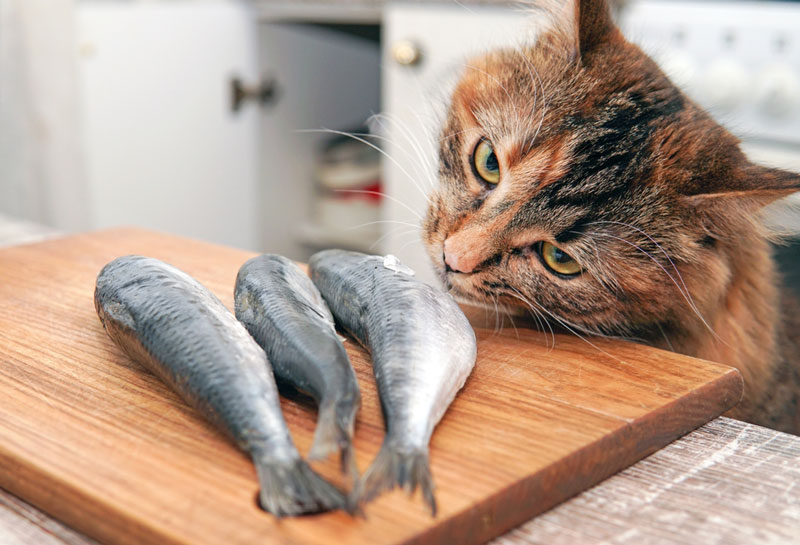
Have you ever wondered, can cats eat raw fish? The answer is yes, but with a few important details to consider! Cats are obligate carnivores, which means their bodies are designed to thrive on a meat-based diet. In the wild, they might catch fish for a tasty treat, but it’s vital to understand the risks that come with feeding fish raw to our furry friends.
Isn’t it fascinating how our kittens are so different from us? When it comes to their dietary needs, we’ve got to be extra careful about what we give them. While raw fish may seem like a delicious delicacy for cats, not all fish is safe! It’s essential to know the right kinds of fish and how to prepare them properly for our beloved pets.
If you want to know more about feeding raw fish to cats and everything that comes with it, keep reading! We’ll explore the benefits, risks, and some fabulous alternatives to treat our furry pals in safe and healthy ways.
You might also be interested in: Can Cats Eat Fish?
Can Cats Eat Raw Fish?
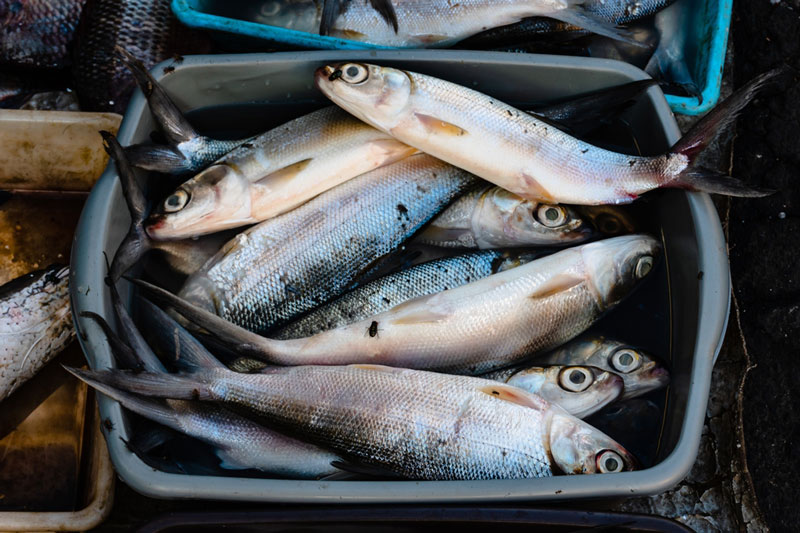
Yes, cats can eat raw fish, but there are important considerations. Cats have evolved as hunters, and in nature, they may catch and consume animals, including fish. Fish can be a source of protein and essential omega-3 fatty acids that are beneficial for a cat’s skin and coat. However, not every type of fish is suitable for our feline friends, and raw fish can carry certain risks.
When considering fish in its raw form, it’s crucial to think about the potential for parasites and bacteria that can be harmful to our pets. Some fish may host parasites, such as tapeworms or flukes, which can lead to a host of health issues. If we do choose to give our cats raw fish, we must make sure it has been properly sourced and is safe for consumption. Additionally, some fish, like salmon, contain harmful enzymes that can impact a cat’s health negatively.
How Much Raw Fish Can Cats Eat
Now that we’ve realized our kittens can eat raw fish, how much should we actually give them? Portion control is essential because fish should not replace their primary diet, which should consist mostly of well-balanced cat food. A general guideline is to treat fish as an occasional addition to their diet rather than a staple. Something like a small portion once a week should suffice!
Fish can be rich in proteins, and our furry little friends can become too excited about their delicious treat. Sometimes less is more. Think of it like giving your cat a treat—just enough to whet their appetite without causing any issues. Fish skin can also be given, but be cautious, as it can be high in fat and calories. It’s crucial to ensure our cats maintain a balanced diet overall.
Also, be sure to monitor your cat’s reaction to their fishy treats. If they seem to love it, that’s great, but if they experience any digestive issues, it’s best to avoid giving them raw fish in the future. Always be observant of their behaviors!
Remember, it’s totally okay to enjoy the occasional treat as long as we keep our furry friends’ health in mind. Getting them used to new flavors while ensuring it’s safe is part of being a responsible pet owner. We’ve got to be the guardians of their wellbeing!
Benefits Of Raw Fish To Cats
1. Protein Content: One of the main benefits of feeding fish, especially raw fish, is the protein content. Cats thrive on a diet that is high in protein, and fish provides a lean source that can help maintain muscle health and energy levels.
2. Fatty Acids: Fish is also an excellent source of Omega-3 and Omega-6 fatty acids. These fatty acids are crucial for a healthy coat and skin. Who doesn’t love to pet a soft and shiny cat? Adding fish into their diet can provide that beautiful shine and keep their coats looking fabulous.
3. Stimulate Appetites: The unique flavors and textures of fish can stimulate a cat’s appetite, especially for picky eaters. Many cats find fish irresistible — it’s like a seafood buffet in their bowl! This can help incorporate variety into their diet, making mealtime exciting!
4. Low Calories: Fish tends to be lower in calories compared to other meats, making it a good option for cats that need to watch their weight. If your kitty is a bit on the hefty side, fish can be a tasty, low-calorie treat that facilitates maintaining a healthy weight.
5. Promote Good Heart Health: Lastly, the inclusion of fish in our cat’s diet can promote good heart health. The beneficial fatty acids found in fish can help prevent heart diseases in cats, keeping their hearts healthy and active for years to come. We want to see them frolicking just as much as they want to!
Dangers Of Raw Fish To Cats
While we have established that our cats can enjoy the occasional raw fish treat, there are some significant risks to consider. As responsible pet owners, it’s vital to know about these dangers to keep our fur babies safe and sound.
One potential risk involves the presence of parasites in raw fish. Certain parasites, such as tapeworms, can be contracted if our cats consume contaminated fish, leading to various health complications. Symptoms can range from mild digestive upset to more severe problems, requiring veterinary intervention.
Additionally, some types of fish, particularly salmon, can harbor a parasite specifically known as Neorickettsia helminthoeca, which can cause salmon poisoning disease in cats. This condition can be potentially fatal and is characterized by symptoms like vomiting, diarrhea, and lethargy. The risk of this disease emphasizes the importance of knowing the source of the fish we give our cats.
Another risk comes from the enzyme thiaminase, which is found in some raw fish species. This enzyme can interfere with the absorption of thiamine (vitamin B1), leading to serious neurological issues. It’s often found in fish like herring, fresh tuna, and mackerel, and it’s better to avoid these in raw form.
Lastly, there is always the concern of bacterial contamination. Fish can carry harmful bacteria such as Salmonella or Listeria. These bacteria can pose a severe health risk to both cats and their owners. Thus, hygiene and safe food handling practices should always be a priority.
Substitute Of Raw Fish For Cats
1. Cooked Fish: If you’re looking for a safe alternative to raw fish, consider cooked fish. Cooking fish makes it safer by killing off harmful bacteria and parasites. Grilling or baking without added oils or seasonings can turn fish into a healthy treat that’s still enjoyable.
2. Canned Fish: Canned fish could be a great substitute as well! Options like tuna in water or salmon can be convenient and safe. Just be wary of sodium levels and avoid options with added flavors or spices.
3. Pet specific Fish Treats: There are pet-specific fish treats available on the market that are formulated to be safe for cats. These treats often provide similar flavors to real fish without the risks associated with raw consumption.
4. Seafood: Other seafood options can be tried, such as shrimp or shellfish. These can serve as a delightful treat for your cat, but it’s vital to ensure they are cooked and prepared without harmful additives.
5. Meat-based Protein: Finally, consider incorporating more meat-based protein into your cat’s diet. Chicken, beef, or turkey can provide the necessary nutrients and keep mealtime exciting without the risks linked to fish.
Can Cats Eat Raw Fish? Frequently Asked Questions
What Types Of Fish Are Safe For My Cat?
Fish itself isn’t toxic to cats, but raw fish is not considered safe. Raw fish may contain parasites and bacteria, and some raw fish contain thiaminase, an enzyme that destroys vitamin B1 (thiamine). If you offer fish at all, choose fully cooked fish like salmon, sardines, or tuna—plain, boneless, and unseasoned.
How Often Should I Give Fish To My Cat?
Fish should be an occasional treat, not a staple. Feeding fish too often can lead to nutritional imbalances and, in some cases, thiamine deficiency. Once in a while is fine; your cat’s regular food should provide complete nutrition.
Can Cats Be Allergic To Fish?
Yes. Fish is actually a common food allergen in cats. Signs of an allergy include itchy skin, excessive scratching, hair loss, ear infections, vomiting, or diarrhea. If these symptoms appear after eating fish, stop feeding it and consult your vet.
Can Kittens Eat Raw Fish?
No. Kittens should never eat raw fish. Their immune systems are still developing, making them more vulnerable to parasites, bacteria, and nutrient deficiencies. Stick to a complete kitten-formulated diet.
What Are The Signs Of Fish Poisoning?
Symptoms can include vomiting, diarrhea, drooling, lethargy, loss of appetite, poor coordination, or seizures in severe cases. If your cat shows neurological signs or persistent illness after eating fish, seek veterinary care immediately.
Final Thoughts
As loving pet owners, we always want the best for our feline friends, and that means providing safe and healthy foods. While raw fish can be a delightful treat for our cats, we must weigh the risks carefully and prioritize their safety. Picking the right types of fish and serving them in moderation can lead to a happy, healthy kitty with a shiny coat!
Let’s continue our journey of learning about pet nutrition. Explore more exciting topics about what our pets can eat. You’re sure to find interesting facts and fun stories here! For example, you can discover if what cats can eat! Visit our blog for more enlightening reads!