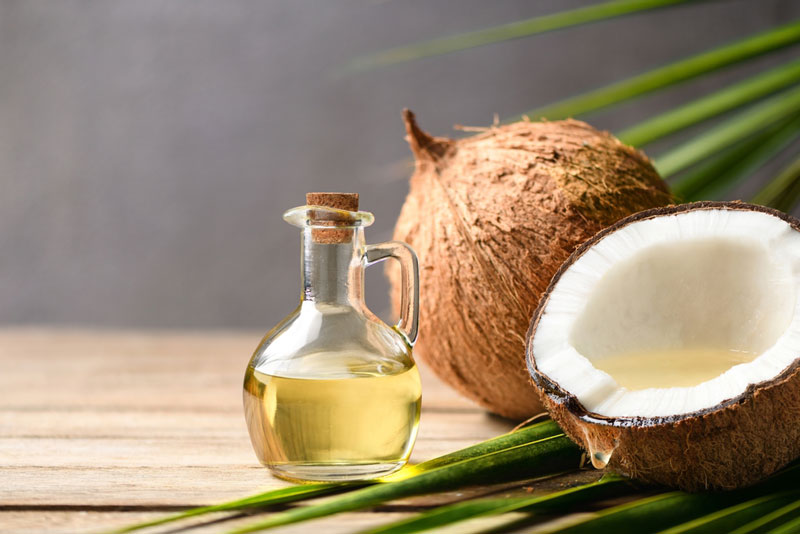
Have you ever wondered, can our furry friends, the cats, munch on coconut oil? Well, the answer is yes! Cats can indeed eat coconut oil, but like with everything, moderation is key. It can be a great addition to their diet, but it’s important to know how to do it safely and wisely.
Coconut oil is a popular natural supplement for both humans and pets. It is filled with healthy fats and has numerous benefits. For our feline companions, coconut oil can help improve their skin and coat, aid digestion, and even help in weight control. Isn’t it delightful to think that a simple ingredient can contribute to our pet’s well-being?
If you are curious about incorporating coconut oil into your cat’s diet, you’re in the right place! Keep reading to discover the proper ways to do it, the potential benefits, and a few precautions we should all know. Our furry friends deserve the best, and knowing what goes into their tummies is important!
You might also be interested in: Can Cats Eat Coconut Milk?
Can Cats Eat Coconut Oil?
Coconut oil is derived from the meat of coconuts and is known for its many uses in cooking, skin care, and even as a health supplement. Cats can safely consume coconut oil but should do so in limited amounts. Coconut oil contains high levels of medium-chain triglycerides (MCTs), which can offer beneficial effects for our feline friends.
It’s worth mentioning that cats are obligate carnivores. This means their primary source of nutrition should be animal-based protein. So, while coconut oil can be a supplement, it should not replace the main source of their food. It’s like adding a sprinkle of cheese on top of their favorite dish – it enhances the flavor but isn’t the main course!
Coconut oil can be introduced to your kitty’s diet in a few different ways. Some pet owners like to mix it into their cat’s food, while others apply it to their cat’s skin if they’re dealing with dry patches or irritation. Always start small – like really small! Just a quarter of a teaspoon for larger cats and even less for smaller cats is a good starting point.
How Much Coconut Oil Can Cats Eat?
When it comes to adding coconut oil to our cats’ diets, measuring the right amount is really important. Too much of a good thing can lead to unexpected tummy troubles! A good guideline is to start slowly and see how your cat’s body reacts.
For larger cats, we can begin with about half a teaspoon, and for smaller furballs, just a quarter of a teaspoon will do. Gradually increase the amount if they tolerate it well. The goal is to get your kitty used to it, not overwhelm their system from the start. Just like introducing a new toy, we want them to get comfortable before diving in!
Over time, if our cats respond well to the coconut oil, we can increase their intake to about one teaspoon per day for larger cats, and about half a teaspoon for the little ones. This should be plenty to reap the benefits without causing stomach upset. We should keep an eye on their reaction – seeing how their fur shines or if their tummy grumbles – to ensure they handle it well.
However, keep in mind that every cat is different! Some may take to coconut oil like a duck to water, while others may need a bit more time. If all goes well, using coconut oil as an occasional supplement might be a great treat. After all, who doesn’t love a little extra something special in their day?
Benefits Of Coconut Oil To Cats
1. Helps With Their Coat: One of the most noteworthy benefits of coconut oil for our cats is its ability to help with their coat. It can act as a natural conditioner, making the fur shinier and softer. Rubbing a little bit of coconut oil on our cat’s fur can even keep it smooth and reduce shedding. Plus, who doesn’t want a glamorous cat? They could strut down the street like furry fashionistas!
2. Anti-inflammatory Properties: Coconut oil is also known for having anti-inflammatory properties. This can be beneficial for our kitties that suffer from conditions like arthritis or joint pain. Applying it topically to affected areas may provide some comfort for those older kitty cats. They deserve all the love and care we can provide!
3. Assist In Digestion: It can assist in digestion too. Some cats face trouble with sensitive stomachs or constipation. By including coconut oil in their diet, we can help soften their stools and support their digestive health. A happy belly leads to a happy cat!
4. Weight Management: Another perk is that coconut oil can help with weight management. Since it contains healthy fats, it can give them energy without the added calories that come from fillers often found in processed cat foods. This is especially important for less active indoor cats! We want them healthy and happy at all stages of life!
5. Vitamins And Minerals: Finally, let’s not forget that coconut oil is a great source of vitamins and minerals, like Vitamin E and Vitamin K. Providing these essential nutrients can help maintain a strong immune system for our furry companions. Strong immune systems help our kitties fend off illnesses as they gracefully age! Keeping our pets healthy is the top priority.
Dangers Of Feeding Coconut Oil To Cats
Though coconut oil has many benefits, we must remember that it can come with some risks too. We want to keep our furry pals safe and sound, so it’s good to weigh both the benefits and potential downsides.
One main concern is that coconut oil is high in calories. While it has its perks, overfeeding it can lead to weight gain and obesity. As responsible pet owners, we must monitor our cats’ total caloric intake and ensure they stay within a healthy range. Just because it’s good for them doesn’t mean they should eat tons of it!
Another point to think about is the chance of an upset stomach or diarrhea with excessive coconut oil. Signs that your cat may not be tolerating it well include vomiting or loose stools. If we see any of these symptoms, it’s important to cut back and consult a veterinarian. They can give us the best advice on how to proceed.
Some cats may also have allergies or sensitivities to coconut. If it’s their first time trying it, we should watch for any adverse reactions. It’s like introducing a new food to a child – we should take note if they enjoy it or if they break out in hives!
Finally, if our cats are already on specific medication or have underlying health issues, discussing adding coconut oil with their vet is vital. We don’t want anything getting in the way of any ongoing treatments! As loving guardians, we must always prioritize their health and safety above all.
Substitute Of Coconut Oil For Cats
1. Fish Oil: If our cats are not into coconut oil or if they have tummy troubles with it, there are several alternative oils we can consider! One option is fish oil, which provides omega-3 fatty acids that contribute to smooth skin and a shiny coat. Plus, many cats can’t resist the fishy scent!
2. Flaxseed Oil: Another beneficial option is flaxseed oil, which is also rich in omega-3s. It can be a good alternative for cats that may have fish allergies. We can drizzle it over their food for an extra nutritional boost!
3. Olive Oil: For dry skin, olive oil can also be a great option. It’s gentle and can be wonderful for improving skin hydration. A little treat from the Mediterranean!
4. Pumpkin oil: This is another lovely pick. It not only has healthy fats but can also help with digestion in kittens. Plus, it can add some delicious flavor to their meals!
5. Sunflower Oil: Last but not least, sunflower oil can be an option as well. Like coconut oil, it helps maintain shiny fur but is lighter in texture and flavor. We should make sure to try these options to find the one that suits our kitty best!
Can Cats Eat Coconut Oil? Frequently Asked Questions
Can Coconut Oil Help With Hairballs In Cats?
Yes! The lubricating properties of coconut oil can help in reducing hairballs for cats that groom a lot. Adding a small amount to their diet can make a difference!
How Can I Give Coconut Oil To My Cat?
You can mix it with their food or apply it directly to their skin if needed. Just make sure to start with a small amount to see how they react!
What If My Cat Doesn’t Like Coconut Oil?
Not all cats will take to coconut oil. If they resist, consider some tasty alternatives such as fish or flaxseed oil. Cats can be picky eaters!
Is Coconut Oil Safe For Kittens?
It is safest to consult a veterinarian before giving coconut oil to kittens. They have sensitive tummies and may not be able to handle it just yet.
Can Coconut Oil Cure Skin Conditions?
Coconut oil may help improve certain skin conditions, but it’s not a cure-all. Always consult with a vet for proper treatment and care. Our furry friends deserve the best!
Final Thoughts
In summary, incorporating coconut oil into our cats’ diet can provide numerous benefits such as promoting healthy skin and shiny coats, aiding digestion, and even delivering essential nutrients. However, it’s important to approach it with caution and moderation. We can make a positive impact on our cats’ well-being by keeping an eye on their responses and maintaining a balanced diet. Of course, if we are ever in doubt, consulting our veterinarian is always a smart choice!
If you found this information helpful, there are plenty of other exciting topics to explore! For example, you may want to check out our blog for more pet care tips, or learn about what happens if cats sneak a bite of avocado oil in our article here. Happy reading, everyone!