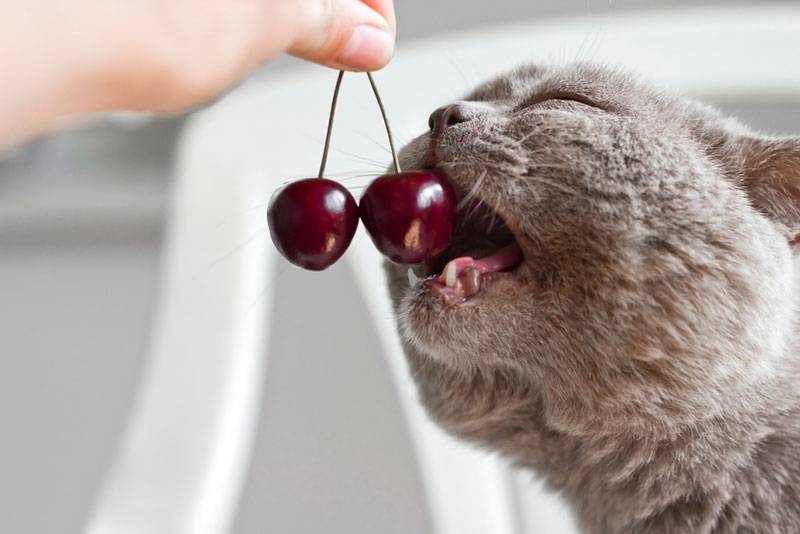
Can cats eat cherries? That’s a question we’ve all pondered while snacking on these sweet, juicy fruits. Well, the answer is a resounding no! Cherries are not safe for our feline friends. While they might look tempting, these little fruits can pose serious health risks to our cats. So, before you share your cherry pie with your kitty, let’s explore the reasons behind this.
Just like a cherry on top of a sundae can make dessert a little extra special, our furry companions also bring joy to our lives. But not every treat is meant for them. Cats have different dietary needs compared to humans, and some human foods can be harmful. This importance of knowing what’s safe for our pets cannot be underscored enough! It’s always better to err on the side of caution when it comes to treating our beloved pets.
If you’re intrigued to know more about why cherries are a no-go for cats and what healthier alternatives exist, stick around! Let’s get into the nitty-gritty of feline nutrition while ensuring our furry pals are both safe and happy!
You might also be interested in: Can Cats Eat Blackberries?
Can Cats Eat Cherries?
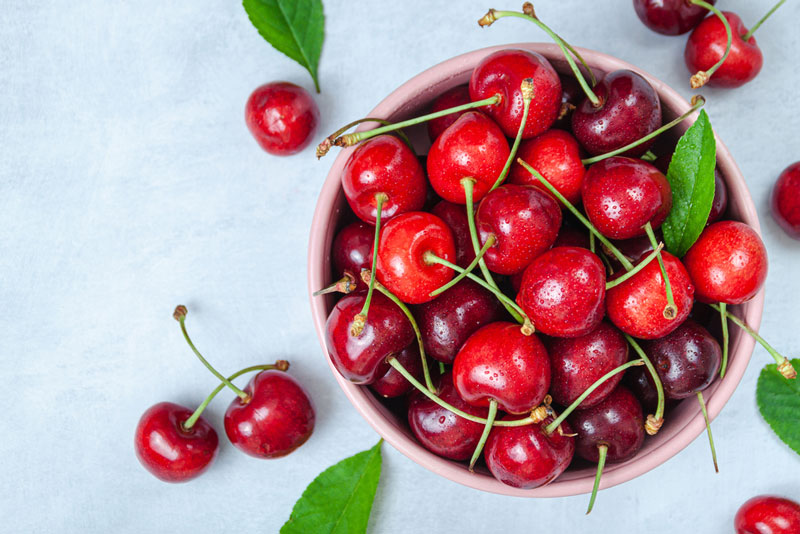
Cherries contain a substance called cyanogenic glycosides. When cats ingest cherries, especially the parts of the fruit such as the pit or the leaves, it can lead to cyanide poisoning. This potent toxin can cause serious health issues in our feline friends. The symptoms of cherry poisoning could range from difficulty breathing to a rapid heartbeat. Some cats might also experience tummy trouble, leading to vomiting or diarrhea. Even the sweet red fruit that we love could trigger a nasty allergic reaction in some cats, leading to further complications.
In simple terms, while the cherries we enjoy are delightful and red, our cats’ bodies are not equipped to handle them. They lack the enzymes to process fruits efficiently, which means even a small bite could lead to unintended harm. This difference in digestion is something we all need to be mindful of, as tempting as it might be to share a morsel. It’s always better to stick to treats made specifically for our pets or safe vegetables and fruits that won’t cause distress.
How Much Cherries Can Cats Eat?
In discussing how much to offer our cats when it comes to food, the key principle is that less is more. Since cherries are not safe at all, there should be no amount that is considered ‘okay.’ Even a tiny piece can lead to adverse reactions if consumed. The tricky part is that cats can be curious! They might find themselves underfoot when we have cherries in hand, and one has to be vigilant. For those of us who want to offer treats, consider this: never share cherries, and avoid accidental exposure at all costs.
Safety should always come first, and that means ensuring our furry friend does not have access to cherries or any part of them. If you suspect your kitty has ingested cherries, contact a veterinarian immediately. They will offer guidance on how to handle the situation and advise on any necessary treatments to mitigate the risk of poisoning.
As cat owners, we hold the responsibility to protect our pets from potential dangers. Getting into the habit of checking what foods are safe can prevent mishaps. By doing so, we show love and care for our furry family members. In turn, they make sure our lives are filled with warmth and affection.
So, let’s stay aware of the foods we have around us and the impact they can have on our beloved pets! Delicious as cherries may be for us, this can’t be stressed enough – they are not meant to be part of our feline’s diet.
Keeping our cats’ safety in mind is a job we can all do together. If we create a home that is free of dangerous foods, it allows us to foster happy and healthy relationships with our pets for years to come!
Benefits Of Cherries To Cats
1. Safety First: By steering clear of feeding cherries to our cats, we protect them from potential health hazards. Knowing what foods are safe enables us to ensure that they can enjoy a happy and full life without the risk of illness from our treats. That should be the number one benefit right there. Safety should always be our top priority!
2. Educating Together: This also allows us to educate ourselves and others about the dietary needs and restrictions of our pets. Just as we learn new things about our pets every day, sharing knowledge helps build a community of responsible pet owners! Personalized education can even prevent health complications in other pets through word of mouth.
3. Finding Alternatives: People are often surprised to learn about safe fruit options we can offer our cats! While cherries are off the list, we can consider things like small pieces of sliced apples (minus the seeds) or pieces of watermelon. Providing safe alternatives allows us to treat our pets while simultaneously keeping their health intact.
4. Knowledge is Power: Being informed about the nutrition our pets need gives us the power to provide the very best for them. It helps contribute to their longevity and well-being. This knowledge sets us apart as responsible pet owners, and it fosters a trusting bond with our cats when we take care of their nutritional needs.
5. Enhanced Bond: Finally, having the proper knowledge about what our pets should or shouldn’t eat allows us to bond with them positively. We learn how to show love and affection through safe treats while keeping our cats healthy and happy. This builds deeper relationships that enhance the joy they bring to our homes.
Dangers Of Feeding Cherries To Cats
Let’s explore the dangers of cherries together. The most immediate risk is cyanide poisoning, which is not something we want to have on our minds. Symptoms may include respiratory distress, lethargy, or even the inability to move properly. When we see any signs that suggest our kitty is feeling unwell, we should seek professional help quickly. Timely intervention can make a world of difference in their recovery.
Another risk is gastrointestinal distress, which may lead to serious problems if left unattended. Vomiting, diarrhea, and potential dehydration from these symptoms can be dangerous. We want to be aware of these signs so we can act swiftly and keep our furry friends safe.
A further danger comes from the potential for allergies. Cats may be sensitive to various foods, and introducing an unknown food such as cherries could lead to reactions such as hives, swelling, or difficulty breathing. The seriousness of such reactions can vary from mild to severe, and knowing what is safe for our pets is vital in preventing unwanted situations.
Even the high sugar content in many fruits can lead to obesity and dental issues over time, and it is crucial we remain aware of the long-term effects of our pets’ diets. It is essential to provide balanced nutrition while ensuring treats are proportionate to their dietary needs. Cats thrive on protein and require us to cater to their specific dietary habits.
Playing it safe includes being cautious about sharing human food with our felines. Avoidance of harmful fruits like cherries ensures we can cultivate healthy eating habits. It also allows us to control the snacks our furry family members consume, leading to happier and healthier lives for our pets.
Substitute Of Cherries For Cats
1. Blueberries: Blueberries are a great option! These little berries are filled with antioxidants, which benefit our cats and offer tasty enjoyment. Sliced in small amounts, they can be a great snack for our furry friends!
2. Apples – Without the Seeds: Apples are another alternative. Just make sure to remove the seeds before giving your cat a slice. The crunchiness can be appealing! They can be refreshing during hot weather, giving our kitties a change from their usual food.
3. Carrots: Some cats enjoy nibbling on carrots. When properly cooked and cut into small pieces, they offer a healthy crunch full of vitamins. Carrots can even be blended into a puree for those picky eaters!
4. Watermelon: Watermelon is a hit for many pets! Just remember to avoid seeds and the rind. Serve it in small, seedless pieces, providing hydration and enjoyment to our furry pals on warmer days!
5. Pumpkin Puree: Pumpkin puree is not only safe but great for digestion! While it won’t replace their regular meals, a small dollop can aid in keeping our furry friends regular.
Can Cats Eat Cherries? Frequently Asked Questions
What Should I Do If My Cat Eats Cherries?
If your cat sneaks a taste of cherries, look for signs of distress and contact your veterinarian immediately. Quick action could be crucial in preventing any severe effects!
What Fruits Are Safe For My Cat?
Fruits such as blueberries, watermelon, and apples can be safe treats when given in small amounts and prepared correctly. Always consult with your veterinarian before introducing anything new.
Why Can’t Cats Eat Cherries?
Cherries contain cyanogenic glycosides, which can lead to cyanide poisoning. It’s simply an unsafe food option for cats, and they should never be introduced into their diets.
Can Cats Have Cherry Tomatoes?
Cherry tomatoes are not toxic to cats, but they are part of the nightshade family and can cause gastrointestinal upset. It’s better to stick with cat-safe vegetables and fruits.
What Is A Good Treat For Cats?
Consider commercial cat treats, small amounts of safe fruits like blueberries, or even a little cooked chicken or fish as a healthier treat option!
Final Thoughts
In conclusion, our beloved felines deserve our utmost care, and their safety is of paramount importance. By avoiding giving them cherries and knowing which foods are okay, we foster a loving environment that prioritizes their well-being. Let’s keep learning together about our pet’s diet and ensure we provide what they truly need!
For more amazing information about pet care, check out this resource on our blog and discover more about what makes our pets happy and healthy!