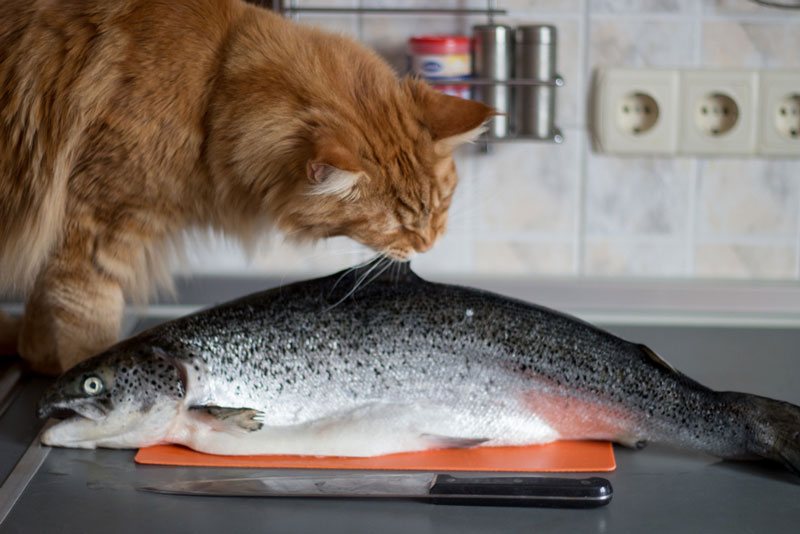
Have you ever wondered if our feline friends can indulge in a tasty treat like salmon? The good news is that yes, cats can eat salmon! It is actually a dish that many cats enjoy. However, it is important to remember that salmon should only be given to cats in moderation.
This delightful fish is not only savory but also packed with nutrients that can benefit our furry companions. Just like us, cats can have varied diets, but there are a few things we need to keep in mind. While salmon can be a special treat and a great source of protein, there are some precautions we need to take to ensure that our cats remain healthy.
Stick around as we explore everything you need to know about feeding salmon to your beloved cat, including the benefits, risks, and tips on how much to serve. By the end, you will be a pro at deciding if and how to treat your kitty with salmon!
You might also be interested in: Can Cats Eat Smoked Salmon?
can cats eat Salmon?
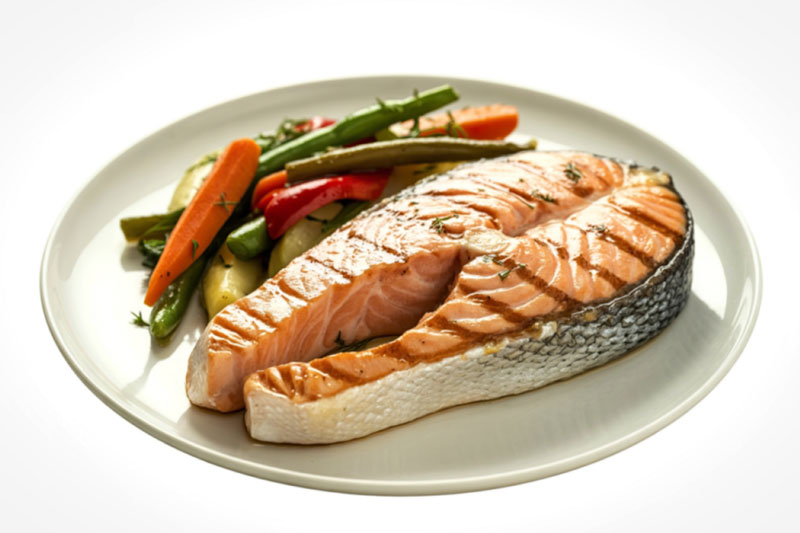
Absolutely, cats can eat salmon! In fact, many furry friends find this fish to be a delightful addition to their meals. Salmon is rich in protein, and cats, being obligate carnivores, thrive on a meat-based diet. This means they need meat to get their essential nutrients. Salmon can be a tasty and nutritious treat for our whiskered companions.
However, it is crucial to serve salmon in a way that is safe for our cats. Cooking the salmon is necessary, as raw fish can harbor harmful bacteria and parasites that can lead to health issues for our cats. It’s best to bake or grill the salmon without any seasonings or sauces, as some ingredients can be harmful to felines. When serving, we should ensure that all bones are removed, as they can pose a choking hazard.
How Much Salmon Can Cats Eat?
When it comes to how much salmon we should give our cats, moderation is key. A small piece of salmon once in a while is enough to satisfy their taste buds while still keeping them healthy. Think of it as a treat rather than a regular meal. We can begin with a small serving, perhaps a teaspoon or two, depending on our cat’s size.
For larger cats, we might consider slightly larger portions, but it’s essential to monitor how they react to it. If they fuss over it, we can definitely provide a little more, but if they seem uninterested or have an upset stomach, we should dial it down a notch!
Salmon should not replace their regular cat food, as this food is formulated to provide all the necessary nutrients they need. It’s best to offer salmon as an occasional treat to add variety to their taste experience. This way, we are ensuring that they get the necessary vitamins and minerals from their daily cat food while enjoying a yummy salmon treat every now and then.
A good rule of thumb is to make sure the servings of any treat, including salmon, do not exceed 10 percent of their daily caloric intake. For a standard cat, that means giving salmon a couple of times a week would be a nice balance. Always consult with your veterinarian if we are unsure about how much salmon is appropriate for our specific cat’s diet, especially if they have any underlying health issues.
Benefits Of Salmon To Cats
1. Omega-3 Fatty Acids: Salmon is packed with Omega-3 fatty acids, which can have numerous health benefits for our cats. These essential fatty acids support their skin and coat health, keeping it shiny and reducing the chances of allergies. Healthy skin leads to less itching and discomfort, resulting in happier cats.
2. Protein: The high protein content in salmon is fantastic for maintaining muscle mass and overall growth. Cats need protein to fuel their energy levels and maintain their active lifestyles. Including salmon occasionally can help support their development and provide them with the energy to play and explore.
3. Vitamins and Minerals: Salmon is a great source of various vitamins and minerals. It contains B vitamins, which are essential for energy metabolism, maintaining a healthy nervous system, and supporting their immune system. Additionally, it contains selenium, which is vital for protecting the body from harmful free radicals.
4. Taste and Aroma: Many cats simply enjoy the taste and aroma of fish, making it an effective way to entice picky eaters. If we have a cat that tends to shy away from their usual food, offering a tasty piece of salmon could help stimulate their appetite and encourage them to eat.
5. Natural Fats and Oils: In some cases, the natural fats and oils in salmon can support joint health. For older cats or those with joint issues, Omega-3 fatty acids can have anti-inflammatory properties that might make movement easier and promote overall well-being.
Dangers Of Feeding Salmon To Cats
While there are numerous benefits to feeding our cats salmon, we must also be aware of potential risks and dangers. The first concern is potential allergic reactions. Some cats may be allergic or intolerant to certain types of fish, including salmon. If we notice any signs of allergies, such as itching, gastrointestinal upset, or changes in behavior after consuming salmon, it’s essential to discontinue feeding it and consult our veterinarian.
Another risk is the mercury content in fish. Salmon, like many other fish, can contain traces of mercury or other toxins. High levels of mercury can lead to serious health issues over time. That said, salmon tends to have lower mercury levels compared to larger fish, but we should remain cautious and ensure we are feeding only small amounts to limit the long-term exposure to these toxins.
Furthermore, raw salmon can be harmful due to the presence of parasites like flukes or tapeworms. These parasites can lead to health issues in cats, so proper cooking is necessary when preparing salmon for our furry friends. Avoid dishes that contain raw fish, as they put our pets at risk.
Finally, certain seasonings and sauces can be dangerous for cats. Ingredients like garlic, onion, or excessive salt can be toxic. Always double-check that the salmon is prepared plainly to protect our furry friends from these harmful substances.
Substitute Of Salmon For Cats
1. Chicken: If we’re looking for alternatives to salmon, chicken is always a fantastic option! Cooked, unseasoned chicken is a favorite among many cats, providing similar protein benefits.
2. Tuna: This can also be a hit, but like salmon, we should be cautious about the frequency due to mercury concerns. A small piece of canned tuna in water can serve as an occasional treat that many cats love.
3. Turkey: This is another bird that our cats might enjoy. Cooked plain turkey meat offers a different flavor while still providing essential nutrients.
4. Sardines or Mackerel: Other types of fish, such as sardines or mackerel, can also be given occasionally but should still be cooked and served without seasoning. Both of these fish contain healthy fats and proteins like salmon does.
5. Cat Treats: Lastly, there are some commercially available cat treats that feature fish flavors. These treats can provide an adequate substitute for salmon while being specially formulated for cats, ensuring that all their nutritional needs are met.
Can Cats Eat Salmon? Frequently Asked Questions
Can I Feed My Cat Raw Salmon?
No, we should avoid feeding our cats raw salmon due to the risk of bacteria and parasites.
How Does Salmon Benefit My Cat’s Coat?
The Omega-3 fatty acids found in salmon can nourish our cats’ skin and improve their coat quality.
Can All Cats Eat Salmon?
While most cats can safely enjoy salmon, some may be allergic, so we should monitor for any adverse reactions.
Is Canned Salmon Safe For Cats?
Canned salmon can be safe for cats as long as it is packed in water and doesn’t have added ingredients that may be harmful.
How Often Can I Give My Cat Salmon?
We can give our cats a small piece of salmon a couple of times a week as a treat, ensuring it does not exceed 10 percent of their diet.
Final Thoughts
In conclusion, salmon can be a delicious treat for our furry companions when prepared and served safely. There are numerous health benefits linked to this fish, provided we remember to keep it in moderation. With a little caution regarding preparation and servings, we can treat our cats to a delightful dish they might love.
Incorporating salmon into our pet’s diet can be a joyful experience for both us and our fluffy friends. While we are exploring new flavors and textures, let us also look into other food options, such as what else we can share with them safely. If you want to find out if cats can eat sardines, check this links to learn more about feeding our beloved pets! Discover more about cat nutrition and treat options that cater to their tastes and needs.