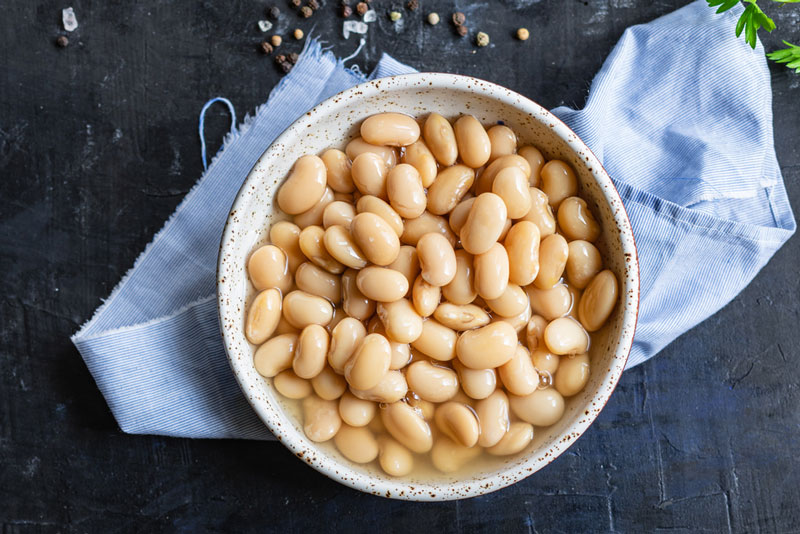
Have you ever wondered, can cats eat beans? The simple answer to that question is yes, in moderation. Cats can eat certain types of beans, but it is crucial to understand which varieties are safe and how they can affect your feline friend. While beans might seem like a harmless snack, we need to treat this topic with care. Just like us, our furry companions have unique dietary needs and preferences.
Eating beans can actually offer some benefits for our cats, but it is essential to ensure that they are prepared correctly and introduced to them gradually. We wouldn’t want to upset their little tummies with something too new or too much at once! This exploration can lead us to a better understanding of the foods that we can share with our pawsome pals.
If you are curious to learn more about which beans are safe, how to prepare them, and the benefits or risks associated with feeding them to your beloved kitty, read on! We will discuss everything you need to know, ensuring that your furry friend stays healthy and happy.
You might also be interested in: Can Cats Eat Baked Beans?
Can Cats Eat Beans?
Cats are obligate carnivores, which means that the majority of their diet should come from meat. However, this doesn’t mean that they can’t enjoy a little variety from time to time. Beans, which are a great source of plant-based protein and fiber, can be enticing for some cats. That said, not all beans are suitable for our feline friends. It’s important to know which types of beans can be introduced safely.
Safe beans for cats to consume include cooked, plain green beans, black beans, and lentils. Always ensure that the beans are cooked thoroughly, as raw beans can be harmful due to certain toxins. When we’ve cooked beans, we not only remove these potentially harmful elements, but we also make the food easier for our kitties to digest. Just imagine trying to eat a raw bean—it would be like trying to bite into a little rock!
We should always remember, moderation is key when it comes to introducing new foods into our cats’ diets. Beans shouldn’t be a primary ingredient in their meals. These should be considered an occasional treat or an addition to their regular food. On the other hand, some beans can be toxic to cats, such as kidney beans, which should be avoided at all costs. Just like how we must steer clear of certain foods, our furry friends have their own restrictions.
Of course, the tastes vary from cat to cat. Some might love beans while others might not be interested at all. When introducing beans, we should keep an eye on our cat’s reaction. Are they enjoying it? Or do they look a little unsure? Listening to our pets will help us make the best decisions for their health and happiness.
How Much Beans Can Cats Eat?
When it comes to how much beans our feline friends can enjoy, moderation remains the rule of thumb. A general guideline would be to start with just a small spoonful of cooked beans mixed in with their regular food. Too much of a new food can lead to bellyaches or digestive issues, so we must take it slow. Cats typically have a small stomach, so even a little bit will go a long way!
It’s essential to ensure that the beans are prepared properly, as mentioned earlier. This means thoroughly cooking them without any added ingredients like salt, garlic, or onions, since these can be toxic to cats. Simply boiling or steaming the beans will suffice. If we want to sprinkle some cooked beans into their bowl, we can do so sparingly—like garnishing a fine dining plate!
After introducing beans into our cat’s diet, we should monitor how they react. This means watching for any signs of discomfort or changes in behavior. If our cats seem to enjoy the beans and show no adverse reactions, we can allow them to have occasionally just a few bean treats throughout the week. However, always err on the side of caution. If you’re unsure or noticing anything unusual, consulting with a veterinarian is always a wise move.
It’s also worthwhile to consider our cat’s overall diet when adding beans. Their main source of nutrition should still come from high-quality cat food, which is formulated to meet their specific dietary needs. Treats like beans should remain just that—a treat! It’s all about balance, and we want to make sure we’re providing the best for our whiskered companions! Trust us, the last thing we want is for those sweet kitty faces to feel unwell over something we thought was good!
Benefits Of Beans To Cats
1. Protein Source: While cats primarily thrive on animal protein, beans can offer a vegetarian alternative. Providing adequate protein is essential for our kitty’s muscle health and overall wellbeing. Though beans should not replace their regular food, the addition of beans offers a little extra protein boost.
2. Fiber Content: Beans are rich in fiber, which can aid in a cat’s digestion. A small amount of fiber can help prevent constipation and promote a healthy gut. This takes the edge off of those pesky hairballs! And let’s be honest—nobody enjoys cleaning up after those furry coughs!
3. Nutrients: Beans contain valuable nutrients such as vitamins, minerals, and antioxidants that can contribute to a well-rounded diet. Certain beans are packed with vitamins and nutrients that can enhance our cats’ immune systems, helping them to stay active and playful! That means more time chasing after those laser pointers—or, we hope, less time napping on the couch!
4. Variety in Diet: Just like us, cats can get bored with their food. Introducing new flavors and textures can stimulate their senses and make mealtime more exciting. We want to keep our cats engaged and satisfied—not staring at their food bowls with apathy! A little bean here and there can be a fun way to mix things up!.
5. Weight Management: When used correctly, beans might help in weight management. Their high fiber content can promote a feeling of fullness, potentially helping our felines maintain a healthy weight when paired with a balanced diet. A healthy weight means fewer vet visits, and we can spend more time playing fetch or enjoying cuddles. Tiny victories!
Dangers Of Feeding Beans To Cats
Despite the benefits we discussed, introducing beans to our feline friends isn’t without its risks. Just like with any new food, we need to approach this with care! One major risk is the potential for digestive issues. Beans can cause gas and bloating in cats, leading to discomfort and the classic kitty “pout.” We should introduce them slowly and in very small amounts to gauge how our kitty reacts.
Another concern is the types of beans given. Some are safe, while others can be harmful. Kidney beans, for instance, are toxic to cats. If you’re unsure, consult with your veterinarian to ensure we are not accidentally putting our pets in jeopardy! We want to provide nourishment—not become cat parents who serve toxicity on a platter.
Allergies are another potential concern. Just like people, cats can develop food allergies. If a cat develops signs of an allergic reaction such as itching, swelling, or upset stomach, we need to stop feeding them beans and check in with a veterinarian. It’s best to be cautious with these lovely little beans—but we love our cats too much to risk their health with unknowns!
Lastly, moderation is crucial. Even “safe” beans can lead to issues if eaten in large amounts. Cats have delicate systems. Too many beans can lead to diarrhea or discomfort. Our guiding principle should always be: less is more! Finding a little balance in our cats’ diets is a way to ensure they prosper and maintain their rightful place as the kings and queens of our hearts.
Substitute Of Beans For Cats
1. Pumpkin: If you are looking for a nutritious substitute for beans, look no further than pumpkin! It is high in fiber and can help with the digestive health of our cats. Plus, they may even love the taste! Pure, pureed pumpkin (without any spices or additives) is a great option that can add some healthy variety to their meals.
2. Peas: Cats can safely enjoy peas! Similar to green beans, peas are low in calories and high in vitamins. They’re tasty, and they’re fun to eat! Just make sure they are cooked properly without any added salt or spices. Some cats may not even notice the difference! Who says our furries can’t enjoy a veggie snack?
3. Carrots: Cooked, diced carrots can also be a great alternative! They offer a variety of vitamins and are generally safe for our cats. Just like peas and pumpkin, carrots should be prepared without any seasoning. Cats have unique flavor preferences, and some may actually enjoy these sweet treats!
4. Sweet Potatoes: Cooked sweet potatoes are another possibility! This delicious vegetable provides beneficial nutrients, vitamins, and fiber. If you want to offer something with a little sweetness, a small portion of sweet potato can be a delightful treat for our kitties.
5. Cooked Chicken: Of course, let’s not forget the obvious—cooked chicken is a perfect substitute! It’s protein-rich, easy to digest, and many cats can’t resist! Make sure to remove any seasoning or skin before serving. If we’re looking to reward our furry friends, chicken will always be a huge hit!
Can Cats Eat Beans? Frequently Asked Questions
Can Beans Make My Cat sick?
Yes! Certain beans, like kidney beans, are toxic to cats. It’s essential to introduce only safe varieties, and prepare them correctly before sharing them with our furry companions. If you notice any unusual behavior after introducing beans, we should consult a vet right away!
How Should I Prepare Beans For My Cat?
When preparing beans for our cats, we should always cook them thoroughly without any added salt or spices. Boiling or steaming is usually the best method. Once they are cooled, we can serve them as a special treat in moderation!
Can Kittens Eat Beans?
Young kittens have sensitive digestive systems, so it’s best to avoid introducing beans until they are at least six months old. Until then, it’s most appropriate to stick to a diet of high-quality kitten food formulated for their specific needs.
How Often Can I Give My Cat Beans?
Beans should be treated as an occasional snack, not a staple food. We can offer a small portion of beans once or twice a week, making sure to monitor how our cat reacts to this new food. If they enjoy it, we can make adjustments accordingly!
What If My Cat Doesn’t Like Beans?
No problem! Every cat has its own unique taste preferences. If beans don’t appeal to them, we can explore other options discussed! There are plenty of healthy and safe snacks to keep our kitties entertained and happy.
Final Thoughts
When considering if cats can eat beans, the answer is a cautious yes! Careful selection, preparation, and moderation are key to safely incorporating them into our feline friends’ diets. We want to ensure our pets remain healthy and happy, and our responsibilities as pet paw-rents include making informed choices about their diets. So, as we satisfy their taste buds, let’s also remain vigilant and conscientious about their wellbeing.
After all, taking care of our beloved pets comes with research and knowledge. There are plenty of other topics where we can apply similar thought processes—have you considered what else is safe for your furry buddies? If you are curious about what’s on the safe list, we can take a look at cats eating green beans. Remember, every little bit of knowledge helps us create a loving and safe environment for our furry family!