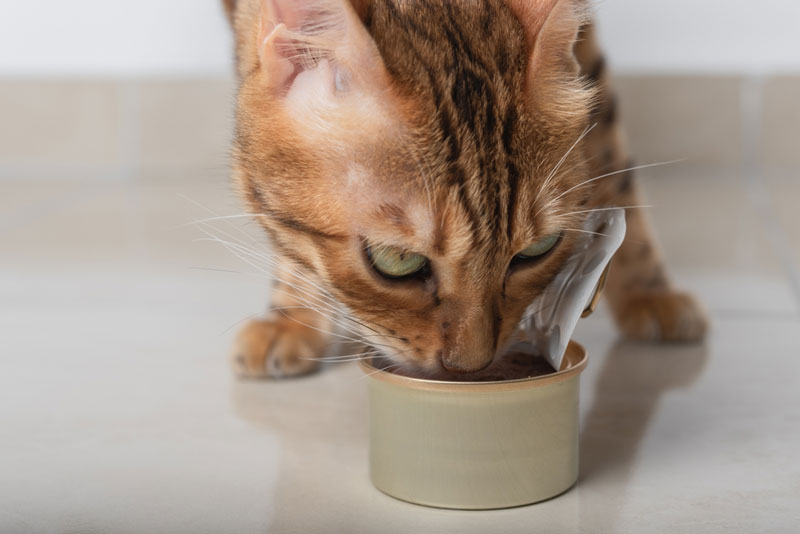
Can cats eat canned tuna? This is a question that many fur parents ponder while tempting their whiskered friends with a tasty treat. While tuna is a favorite among many cats, the answer is a bit more nuanced than a simple yes or no. Cats can eat canned tuna, but there are some important things to consider to keep our feline companions happy and healthy.
Tuna is not just a delicious treat; it’s also packed with protein, which is essential for our kitty’s overall well-being. However, it’s crucial to understand that tuna is not a complete diet for cats. It’s like giving ketchup to a gourmet chef; it’s a great addition, but it won’t satisfy all their gourmet needs. We should certainly continue reading to explore the ins and outs of feeding our furry friends canned tuna, including its benefits, risks, and some tasty substitutes.
You might also be interested in: Can Cats Eat Tuna In Oil?
Can Cats Eat Canned Tuna?
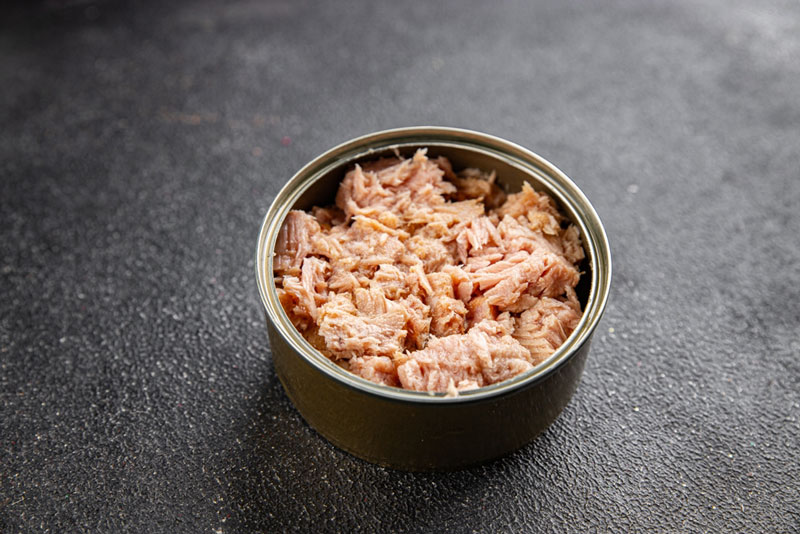
Canned tuna is a favorite for many cats because it smells amazing and tastes even better! We might think our cats would eat anything, but they can be surprisingly picky. When it comes to tuna, their reaction tends to speak volumes! The aroma that wafts from canned tuna can lure in even the most finicky eaters. But just because our feline friends are eager to beg for that delicious smelly content doesn’t mean it’s without its caveats.
Tuna is not toxic to cats, and they can eat it in moderation. It’s high in protein and can be a great occasional treat. But there’s more to this fishy affair than just serving it up whenever our cats give us those sad puppy eyes. We need to remember that tuna lacks certain vital nutrients that cats require for a balanced diet. Sure, they can enjoy the sensation of munching on it, but it should never replace their regular cat food. Just like humans love cookies, but we don’t want to fill up on sweets alone, right?
Many cat owners may be surprised to discover that the type of tuna matters. For instance, canned tuna packed in water is usually better than oil-packed varieties. Oil can be slick and greasy, which could upset our cat’s tummy. Also, be cautious of the added salts and preservatives that some canned tuna can contain. Those ingredients aren’t exactly a recipe for feline greatness!
Another important point worth mentioning is that tuna should be treated as an occasional snack, and not as a staple of your cat’s diet. It’s all about balance. A little bit of tuna here and there, like a game night treat for us, is just perfect! But serving it every day could lead to some worries—like mercury poisoning due to the higher levels of mercury found in larger fish like tuna. So while we’re all gaga over treating our cats, let’s keep those tuna gifts to a minimum to avoid turning our sweet little companions into something resembling a fishy monster!
How Much Canned Tuna Can Cats Eat?
When it comes to how much canned tuna our cats can enjoy, moderation is key! A good rule of thumb is to treat tuna like an occasional snack rather than a regular meal. If we think about it, a little bit of appreciation does go a long way! Depending on the size and health of the cat, we can safely serve them a teaspoon or two of tuna once in a while. This amounts to about a quarter of an average tuna can per week for larger cats.
For our delightful furry companions, portion control is essential. If your cat is the size of a lion, maybe they might need more, but if your cat is more on the kitten side, let’s keep those portions a bit smaller. It’s sort of like going out for ice cream. It’s fun, but we don’t want those sweet kittens to get a tummy ache! Also, don’t forget to be on the lookout for any allergic reactions or tummy troubles. If we notice anything odd after giving them tuna, it’s best to skip it altogether.
Some cats are more sensitive than others, and their tummies might not be able to handle the richness of tuna as well. We should keep a close eye on their behavior and health after offering any new food! If we find ourselves unsure about how much is right, we can consult our furry friend’s vet! We all know that anyone with a pet knows we want our purring buddies to be safe and happy. Vets can help ensure our cats munch on only what’s healthy for them.
Red flags would include signs of vomiting, diarrhea, or any unusual behaviors post-tuna snack. If we ever feel in doubt, let’s air on the side of caution and seek professional advice. Trust me, it’s better to be safe than have a grumpy cat squawking at us!
As responsible cat owners, it’s crucial to provide a balanced diet suitable for our furry friends. Even if they try to convince us otherwise, regular cat food is formulated to meet their nutritional needs. Just think—while we want our cats to enjoy life, we also want to keep them around for snuggles and purring for as long as we can!
Benefits Of Canned Tuna To Cats
1. It’s Yummy: One clear benefit of canned tuna is that cats find it irresistible. If we’ve ever watched a cat chow down on a bite of tuna, we know it brings delight! That joy makes it a perfect reward for good behavior or for coaxing our cats to try new things.
2. Packed With Protein And Healthy Fats: Tuna is an excellent source of protein, which is essential for muscle development and energy. Plus, healthy fats in tuna can help maintain a shiny coat. Cat fashion show, anyone?
3. Hydration Benefits: If our cats are picky drinkers, canned tuna can provide extra moisture to their diet. The water in which it is packed helps supplement hydration, especially for those cats who are not keen on drinking plain water.
4. A Boost Of Omega-3 Fatty Acids: Tuna comes loaded with omega-3s that can be beneficial for better skin and coat health. They also might support a healthy heart and brain function. It’s like giving our cats a little boost of superfood goodness!
5. A Treat For Social Bonding: Offering tuna to our cats can become a fun way to engage with them. Sitting together for a snack can deepen our bond and make for special moments of joy. We are not just feeding them; we’re creating memories!
Dangers Of Feeding Canned Tuna To Cats
While there are perks to introducing canned tuna to your cat’s diet, it’s essential to be aware of potential risks or dangers. With great tuna rewards come great responsibilities, right? Here are some risks we need to be cautious about.
First on the risk list is mercury. Some species of tuna, especially larger ones, have higher mercury levels that can accumulate in our cat’s system over time with excessive consumption. Mercury is a neurotoxin that can lead to health issues. So while we want to treat our cats, we don’t want them turning into fishy balls of mercury!
Secondly, relying too much on tuna can lead to nutritional deficiencies. As we’ve mentioned earlier, tuna lacks vital nutrients that cats need for their overall health. If they start loving tuna way too much, they might turn their noses up at all the necessary nutrients found in regular cat food! And let’s not let our little darlings turn into picky eaters just because there’s tasty fish around.
Thirdly, we should be careful of over-salted canned tuna. Some brands add salt, which isn’t great for our cats. Too much salt can lead to dehydration or worse issues down the line, like kidney problems. Those aren’t teary-eyed ingredients we want in their diet! Thankfully, many brands have low-sodium options that we can always check out!
Lastly, it’s important to be cautious about allergic reactions. Some cats can have allergies or intolerances to certain fish. If our little whiskered pals enjoy a tuna treat but start acting funny afterward, it’s wise to check with our vet!
Substitute Of Canned Tuna For Cats
1. Chicken: It’s a classic alternative! While cats may be fish enthusiasts, many also enjoy chicken. Shredded or cooked chicken can be a delicious treat that’s loaded with protein and easily digestible.
2. Salmon: Another fishy option that cats may love! Salmon is rich in omega-3 fatty acids and can provide those same texture and flavors while being less likely to cause mercury issues than tuna.
3. Cat Food With Fish Flavor: There are various commercial cat foods available that replicate the fishy taste cats crave without risking the dangers of mercury. These provide balanced nutrition while making our pets happy.
4. Fish-Flavored Cat Treats: Treats with fish! Many companies create fish-flavored cat treats. They allow us to give our kitties that joy without the worries associated with tuna. Plus, they’re often formulated with additional beneficial ingredients!
5. Homemade Treats: If we’re feeling adventurous, we can whip up our own delicious cat treats at home using safe ingredients. There are plenty of recipes available that use chicken, tuna, or even salmon, but ensure they’re safe and balanced for our furry friends!
Can Cats Eat Canned Tuna? Frequently Asked Questions
Can All Cats Eat Canned Tuna?
Most cats can enjoy tuna as an occasional treat, but some may be allergic or sensitive to it. Always monitor your cat’s reaction after trying something new.
How Often Can My Cat Have Tuna?
It’s best to limit tuna to once or twice a week to prevent potential health issues like mercury poisoning. Balance is key!
Is Fish Better Than Meat For Cats?
Fish and meat both have their benefits. Cats need a balanced diet that includes a variety of proteins, so neither should dominate their meals.
Can Kittens Eat Canned Tuna?
It’s advisable to avoid tuna for kittens under one year old due to their developing systems. Stick to high-quality kitten food for them.
How Should I Prepare Tuna For My Cat?
Open a can, drain excess liquids, and serve a little portion as a treat. Ensure it’s plain and hasn’t been seasoned with added salts or flavors!
Final Thoughts
Enjoy sharing life with our feline companions! Remember that although we want to splash some tuna goodness into our cats’ lives, it’s vital to do so in moderation. Healthy choices will lead to purrs, cuddles, and longevity. If we want our little furballs to thrive, let’s maintain a balanced approach and fill their bowls with proper cat food. It’s a win-win situation in keeping them happy and healthy!
Curious about more pet-related topics? Check out this article on cats and fish bones. Our pets deserve the best, and knowledge leads to better care!