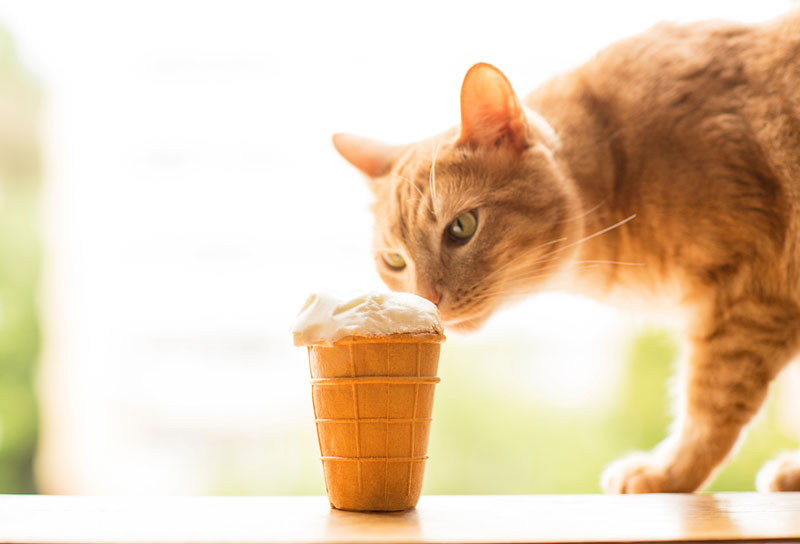
Can cats eat ice cream? This is a question that many cat lovers ponder as we indulge in our icy treats during hot summer days. The short answer is that it really isn’t advisable for our feline friends to consume ice cream. While the thought of sharing a spoonful of creamy goodness with our furry buddies sounds delightful, their digestive systems are not suited for dairy products like ours. Most cats are lactose intolerant, meaning that their bodies struggle to digest lactose, the sugar found in milk and dairy. This leads to an array of digestive issues including diarrhea and upset stomach. So, while it might be tempting to let your cat taste a little of your ice cream, it’s best to play it safe and skip the dessert-sharing moment.
Ice cream is a summertime favorite for many, and it’s completely understandable to want to include our pets in the fun. After all, who wouldn’t want to share a favorite treat with their furry best friend? However, it’s important for us to recognize the differences in how cats and humans process certain foods. Just because ice cream is a delightful treat for us does not mean it will be the same for our whiskered companions. In fact, many cats may find ice cream unappetizing. So before offering your cat that cherry-flavored scoop of joy, let’s explore why ice cream can be risky for our feline friends.
Stay with us as we explore this chilly topic in depth. We will discuss the impacts of ice cream on a cat’s health, suggest safe alternatives, and answer any questions you might have about our favorite furry companions and their dietary needs. You may be surprised by the insights we uncover along the way. Let’s scoop up some knowledge and keep our paws and tails happy!
You might also be interested in: Can Cats Eat Ice?
Can Cats Eat Ice Cream?

As we’ve already touched on, cats and ice cream don’t mix well, primarily due to lactose intolerance. To elaborate, lactose intolerance occurs when cats lack enough lactase, an enzyme that helps process lactose. So, when a cat consumes ice cream or similar dairy products, they can experience various upset stomach symptoms, which can greatly diminish their quality of life.
Another factor is that ice cream is high in sugar. Cats are obligate carnivores, meaning that their diet mainly consists of meat, and their bodies do not naturally crave or need carbohydrates and sugars in their diet. Sugar can lead to obesity and related health issues in cats, including diabetes. So treating your beloved feline companion to ice cream may do more harm than good by leading them down a path towards health complications.
In some cases, while cats may exhibit curiosity and even try to sample ice cream, many will turn their noses up at it. Cats do not have the same taste buds as humans, and they lack the ability to taste sweetness. This could explain why some cats are simply uninterested in ice cream! So while we might find ice cream delicious, our cats may just look at us like we’ve gone nuts for even suggesting they try it.
How Much Ice Cream Can Cats Eat?
Even if we wanted to treat our cats to ice cream, which we have established is not a good idea, we need to be cautious about portion sizes. The thing is, there really isn’t a safe amount of ice cream to offer a cat. Since their bodies are so sensitive to dairy products, even a small amount could lead to digestive issues. If you feel the need to offer your cat something special, we should steer clear of the ice cream and instead look into healthier, cat-friendly treats.
However, let’s just say that perhaps a renegade pet owner wants to test the waters and offers their cat just a tiny lick of plain ice cream, it’s essential to monitor their reaction. Keep an eye out for signs of distress, which could include vomiting, diarrhea, or excessive grooming. While we love our fur babies, they just don’t seem to enjoy or need the same things we do, which can be a hard pill to swallow sometimes.
Remembering that moderation is key when introducing any new food into our cat’s diet can help steer us in the right direction. But again, ice cream should not be part of the equation.
Benefits Of Ice Cream To Cats
1. No Benefits: Ultimately, there are no benefits to feeding ice cream to cats. Instead of considering the advantages of ice cream, we should focus on exploring healthier and more suitable treat alternatives that can provide excitement without the risks associated with dairy.
2. Bonding Moments: Treating our cats to nutritious snacks can also aid in bonding and enrichment in their lives. For example, providing treats that are designed specifically for cats, like meat-based treats or freeze-dried fish, can be a fun way to make our cats feel special during treats time.
3. Healthy And Happier: Keeping our kitty healthy and happy is paramount, and offering a balanced diet filled with the appropriate nutrients ensures optimal health. Treats should be a small addition to their overall well-balanced meals of quality cat food.
4. New Taste: We can harness the spirit of creativity by making homemade frozen treats using cat-safe ingredients. Frozen pureed chicken or fish can be a delightful and refreshing surprise during those hot days.
5. Engaging In Interactive Play: It can also offer many psychological benefits. Regular playtime coupled with healthy treats can increase our cat’s mood, improve energy levels, and enhance their overall quality of life. The idea is to create joy associated with preferred activities and nutrition!
Dangers Of Ice Cream To Cats
Feeding ice cream to our cats can involve a range of risks and dangers beyond just lactose intolerance. Ice cream is often laden with sugar, which contributes to unhealthy weight gain in felines. Obesity in cats can lead to a myriad of health concerns, such as diabetes, arthritis, and heart disease. Sugar impacts the immune system, making cats susceptible to various illnesses.
Ice cream can also contain additives or artificial flavorings that can be harmful to cats. Some flavors may even be toxic! For instance, chocolate ice cream contains chocolate, which is extremely harmful to cats. Ingesting even a small amount could lead to severe reactions, necessitating immediate veterinary attention.
Another sneaky factor is the presence of sugar alcohols in some ice creams. Ingredients like xylitol are highly toxic to cats, causing low blood sugar and liver failure. These ingredients can be found in sugar-free or low-fat ice creams. While many brands and flavors exist, we really have to keep our eyes peeled for anything that could be harmful.
Overall, the consciousness of what we’re allowing our pets to consume is key. Ice cream can lead our furry friends to a dangerous path, but we can always opt for healthier and safer alternatives.
Substitute Of Ice Creams To Cats
1. Specialty Ice Creams: There are specialty ice creams designed specifically for cats, made with flavors they enjoy without the harmful ingredients found in regular ice cream. Look for products that are labeled safely for feline consumption, so we can treat our cats while keeping them safe.
2. Homemade Frozen Treats: can be made easily by blending cat-safe ingredients such as pureed chicken or tuna, then freezing them in suitable molds. This way, we can ensure our cats are enjoying a tasty treat without any harmful additives.
3. Frozen Fruits: Frozen fruits like watermelon, cantaloupe, and blueberries can be pureed and frozen into pops for safe treats that many cats find refreshing, while also providing some hydration. Cut small pieces and monitor their consumption closely, as moderation is important.
4. Kitty-Friendly Yogurt: Instead of ice cream, we can offer kitty-friendly yogurt that is lactose-free. These substrates tend to be better tolerated by cats and are often enjoyed by them more than traditional dairy options.
5. Fresh Water: A simple option is to give your cat a special bowl of fresh water and perhaps freeze a few ice cubes into the bowl to add an interesting twist to their drinking experience. Watching them play with the ice can provide endless entertainment, too!
Can Cats Eat Ice Cream? Frequently Asked Questions
What Should I Do If My Cat Eats Ice Cream?
Don’t panic. A small lick usually isn’t dangerous, but ice cream isn’t good for cats. Most cats are lactose intolerant, and the sugar/fat can upset their stomach. Wipe their mouth, offer fresh water, and watch for vomiting, diarrhea, gas, or lethargy. If symptoms are severe or last more than a day, call your vet.
Are There Any Cat-Safe Treats I Can Make?
Yes! Skip dairy and sugar. Try: Frozen tuna water (from tuna packed in water, no salt), Plain cooked chicken, shredded, Frozen cat food puree (their regular wet food blended with water and frozen in tiny portions). These give the “cold treat” vibe without the tummy trouble.
What Are The Signs My Cat Is Lactose Intolerant?
Common signs include diarrhea, vomiting, bloating, gas, stomach pain, and sometimes refusing food afterward. Symptoms often show up within a few hours after eating dairy.
Can Cats Taste Sweetness?
Nope. Cats can’t taste sweet flavors at all. If they’re interested in ice cream, it’s usually the fat, milk smell, or cold texture, not the sugar.
Should I Worry If My Cat Doesn’t Eat Treats?
Not at all. Many cats are perfectly happy with their regular diet. Treats are optional, not necessary. A balanced, high-quality cat food matters far more than snacks.
Final Thoughts
Ultimately, while cats can physically consume ice cream, it is not the best choice for their health. Using their dietary restrictions as a guide, we can devise safer alternatives that promote their well-being. Whether it’s cat-safe frozen treats or engaging in play, our focus should be on what makes our cats happy and healthy.
We may find joy in treating our pets, but let’s remember to opt for methods that keep our feline friends safe. For further reading on pet-friendly foods, be sure to check out our other articles on pet nutrition. Together, we can make sure our beloved fur babies thrive and enjoy their lives!