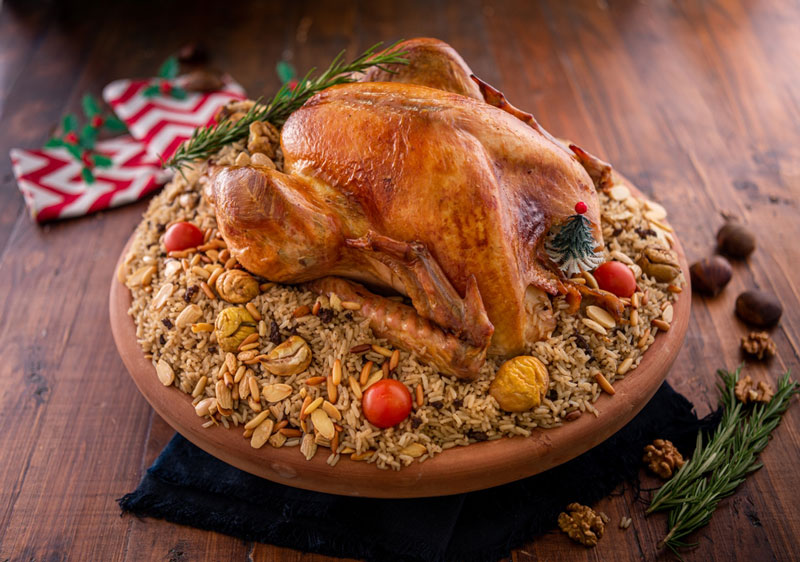
Have you ever wondered if your furry friend, the cat, can enjoy some turkey? Well, the good news is that yes, cats can eat turkey! This tasty meat is not only a delicious treat for our feline companions, but it can also be a healthy addition to their diet, as long as it’s prepared correctly.
Turkey is rich in protein, which is essential for our cats’ overall health. The nutritional benefits make it a fantastic option for those special occasions when we want to share a little something extra with our beloved pets. But remember, as with all foods outside their usual diet, moderation is key!
Stick around as we explore the ins and outs of whether cats can eat turkey, how much is appropriate, the benefits and risks involved, and some tasty substitutes. Let’s make sure we keep our kitties safe and happy while enjoying their mealtime adventures!
You might also be interested in: Can Cats Eat Fried Chicken?
Can Cats Eat Turkey?
When we think about turkey, the first image that pops into our mind might be a delicious roasted bird sitting on the dinner table during the holiday season. Many of us are tempted to share this feast with our pets, especially our cats. The question is, can they eat turkey? Yes, they can! Turkey is safe and healthy for cats in moderation. However, there are some important things to keep in mind before we decide to offer our feline friends a bite of this delightful meat.
Cats are obligate carnivores, meaning their bodies are designed primarily to get nutrients from meat. Turkey, being a lean protein, offers many health benefits for our cats. Protein sources like turkey provide essential amino acids which help maintain muscle mass and overall health. Moreover, turkey is low in carbohydrates, making it a safer protein choice for our furry friends, especially those who may be prone to weight gain or diabetes.
While cats can eat turkey, we should always make sure to offer it responsibly and hazard-free. It’s crucial to avoid giving our cats turkey with added seasoning, garlic, or onions. These ingredients can be toxic to them. Whenever we prepare turkey for our pets, we should serve it plain and cooked thoroughly. Raw turkey is not recommended as it could potentially carry bacteria that can pose health risks to both us and our pets.
How Much Turkey Can Cats Eat?
Now that we know turkey is safe for our cats, let’s chat about portion sizes. How much turkey can we actually give to our furry companions? The answer to that varies based on a few factors, including your cat’s age, size, activity level, and overall health. Generally, it’s best to treat turkey as an occasional snack rather than a meal replacement.
For most cats, a small amount of turkey can be a delightful treat on special occasions. Portions can range from a couple of small bites to a few ounces, depending on your cat’s size. A good rule of thumb is to keep it around 10% of their daily calorie intake, which allows them to enjoy turkey without overindulging. This way, we are introducing tasty variety into our kitties’ diets without upsetting their stomachs or health.
Always pay close attention to how your cat reacts after indulging in turkey. If they experience any digestive issues such as vomiting or diarrhea, it is advisable to stop feeding them turkey and consult with a veterinarian. It’s better to err on the side of caution for the sake of our furry friends.
We should also take into consideration any other sources of protein in our cat’s diet. If our cats primarily eat a well-balanced commercial cat food, they are already getting the necessary nutrients. This means there’s no need for them to have a large serving of turkey. It’s all about striking the right balance!
As a general guideline, try offering turkey in animal-safe forms, such as shredded meat or small bits while watching for potential adverse reactions. If you’re unsure about your cat’s specific dietary needs, it never hurts to ask a vet. They can provide tailored advice based on your cat’s individual health needs.
Benefits Of Turkey To Cats
1. Source of Protein: Turkey is an excellent source of protein. We should all know about the importance of protein in our pets’ diets. Turkey is packed with high-quality protein, which supports muscle development, growth, and overall body function in our kitties. Protein helps maintain a strong immune system and ensures that our fur babies stay energetic and active. When they have a little turkey in their lives, we can be sure they are getting a nutritious treat!
2. Low in Fat: It is low in fat. Unlike some other meats, turkey is low in fat, which makes it a suitable choice for cats, especially those who might be watching their weight. It gives our cats that tasty satisfaction without the calorie overload often found in higher-fat meats. We can pamper them with the joys of flavor while also supporting their health!
3. Vitamins and Minerals: Turkey provides essential vitamins and minerals. This delightful meat isn’t just tasty; it’s also rich in vitamins such as B6 and B12, as well as essential minerals like phosphorus and selenium. B vitamins support proper energy metabolism, which keeps our dynamos lively, while vitamins and minerals boost overall health!
4. Hydration: Helps with hydration. Although cats should always have access to fresh water, giving them some turkey can aid in their hydration levels. The moisture content of cooked turkey can contribute to our cat’s hydration needs. After all, a hydrated kitty is a happy kitty!
5. Excellent Alternative Protein: An excellent alternative protein source. In case our furry friends are tired of their usual cat food or have developed allergies to other protein sources, turkey can serve as a wonderful alternative. This can be particularly helpful for cats with sensitive stomachs or those simply looking for a variety in their diet. We win as pet parents when we can offer safe and nutritious options while keeping their meals exciting!
Dangers Of Feeding Turkey To Cats
Even though turkey holds tons of benefits, we must also be aware of its potential risks. It’s always essential to keep our cats safe while treating them to special food. Here’s what we need to keep an eye out for!
When we serve turkey, it’s crucial to ensure it’s cooked thoroughly. Raw turkey poses health hazards due to bacteria such as Salmonella and E. coli. If our cats ingest raw meat, they risk developing serious ailments, which can result in severe gastrointestinal issues. Always stick to well-cooked turkey to keep our furry friends safe.
As previously mentioned, avoid giving turkey with seasoning. Garlic, onions, and certain spices, or marinades could be extremely toxic to cats. These ingredients can damage their red blood cells, leading to anemia. Always offer plain turkey without toppings, gravies, or sauces for a safe treat.
It’s also essential to monitor portion sizes. Overindulgence in turkey can lead to digestive problems such as diarrhea or vomiting. Too much protein at once can be hard on our cats’ stomachs, and we wouldn’t want to ruin mealtime fun with tummy troubles!
Another risk to remember is bones. Always remove any bones from turkey before giving it to our cats. Cooked bones can splinter and cause choking or internal injuries. When feeding turkey, we should aim for boneless, skinless pieces for a safe treat.
If your cat has allergies or special health conditions like kidney disease, it’s a good idea to speak with a veterinarian before offering turkey. They can provide the best guidance for your pet’s dietary needs. Better safe than sorry, right?
Substitute Of Turkey For Cats
1. Chicken: Like turkey, chicken is an excellent source of protein with many nutritional benefits for our beloved kitties. It’s also lean and low in fat, making it a great alternative. Just remember to keep it plain and boneless, and your feline companion will surely enjoy it!
2. Fish: Fish is another protein source that many cats love. Foods like tuna and salmon can provide healthy fats in addition to protein. Just be careful with canned fish, as it often contains added salts or preservatives. Always look for options that are safe to provide to our four-legged friends.
3. Duck: If we want to shake things up a bit, duck is a great alternative. Duck is rich in protein, just like turkey and chicken, and many cats adore its rich flavor. However, just like turkey, make sure to prepare it plain and without any seasoning.
4. Beef: Lean beef can also be a delicious treat for our cats. It’s packed with protein and iron but should be offered in moderation. Always stick with cooked, unseasoned cuts, and ensure no bones are present to keep our furry friends safe.
5. Rabbit: Rabbit meat is another tasty alternative rich in protein and low in fat. Some cats may enjoy the unique flavor, and it can be a great option for those looking to diversify their meat intake. Just make sure to prepare it safely for our fur babies!
Can Cats Eat Turkey? Frequently Asked Questions
Is It Safe To Give Cats Turkey Every Day?
While turkey is safe for cats, it’s best to consider it as an occasional treat rather than a daily diet staple. Balance is key in our cats’ nutrition!
What About Turkey Giblets?
Turkey giblets can be safe for cats as long as they are cooked, plain, and served without seasoning. They can provide additional nutrients as a supplement to their diet.
Can Cats Eat Deli Turkey?
It’s advisable to avoid deli turkey since it often contains preservatives and excessive sodium, which can be harmful to our kitties. Homemade, cooked turkey is the best option!
Can Cats Have Turkey Skin?
Turkey skin is fatty and can upset the cat’s stomach, leading to digestive problems. It’s best to remove the skin and offer only the lean meat for a safe snack.
How Do I Introduce Turkey To My Cat?
Start with small amounts and watch your cat’s reaction. If they seem to enjoy it without any adverse effects, you can gradually increase the amounts while keeping an eye on their overall diet and health!
Final Thoughts
In conclusion, sharing turkey with our cats can indeed be a tasty and nutritious treat, provided we do so in moderation and with attention to their health. We need to be mindful of how we prepare it, ensuring it’s plain and free from seasoning or harmful ingredients like bones. By embracing the delights of turkey in our pets’ diets, we can give them variety while ensuring they stay healthy!
As loving pet owners, it’s our responsibility to provide safe and healthy options for our feline companions. If you have any questions or are looking for more information to help us feel confident in our choices for our furry friends, don’t hesitate to check out our blog for more tips and advice!